Car Rental in Split
Overview
Split is the operational center of the Dalmatian rental market. More people pick up a car here than in any other Croatian city south of Zagreb, and for good reason: the airport is well-served, the ferry terminal connects to a dozen islands, and the city sits at the midpoint of the Adriatic coast, making it the natural base for driving north toward Zadar and Plitvice or south toward Dubrovnik and Montenegro.
The rental market in Split is competitive. International chains and local agencies both operate at the airport and in the city, and the competition keeps prices reasonable – at least outside of July and August. In the shoulder season (May, June, September), an economy car runs 25-38 EUR per day, which is fair for what you get: unlimited kilometers, basic CDW, and the freedom to explore Dalmatia at your own pace. In peak summer, prices jump to 45-70 EUR per day for economy, and availability tightens. We have seen the airport desks sold out entirely on busy July weekends. If you are coming in summer, book at least three to four weeks in advance.
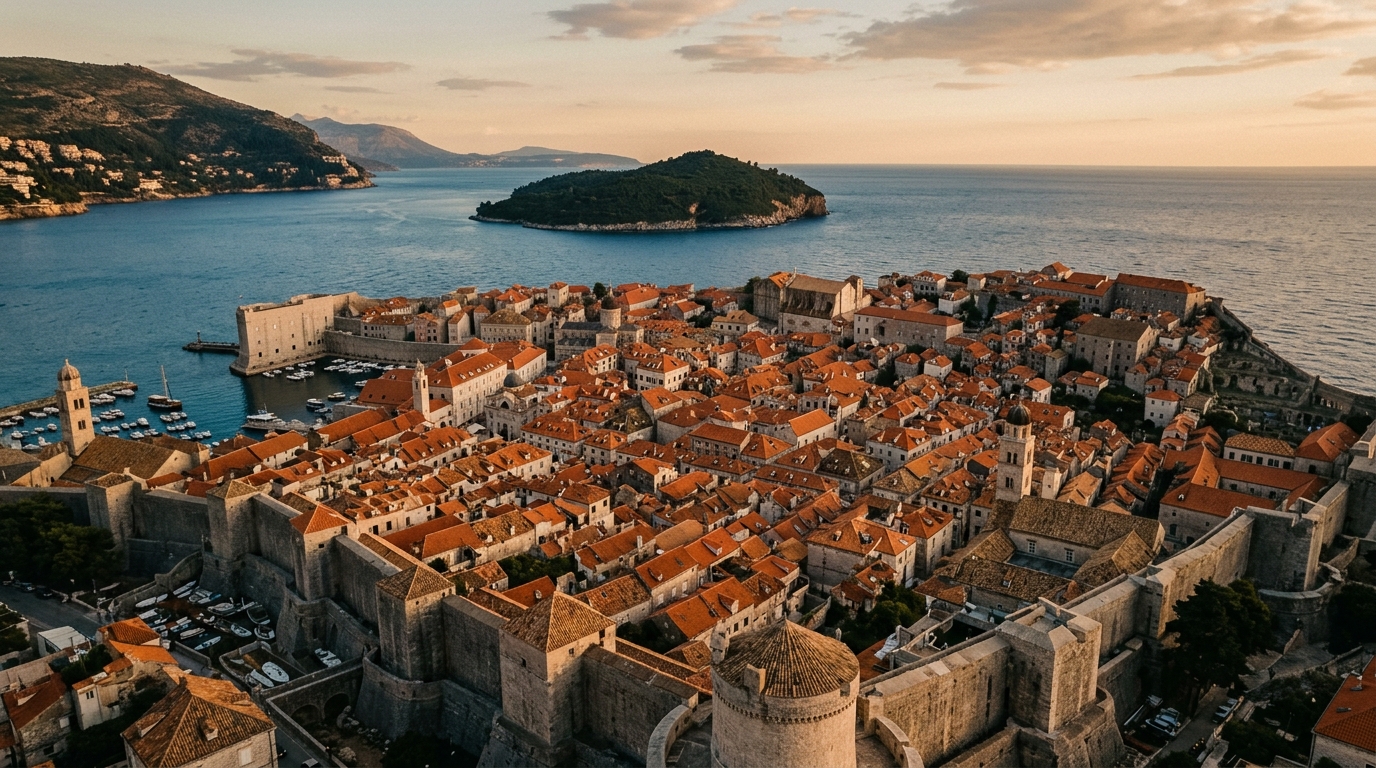
One-way rentals between Split and Dubrovnik are common and usually attract a drop-off fee of 50-100 EUR. It sounds steep, but it makes sense for the classic Dalmatian coast itinerary: fly into Split, drive south along the coast, and fly out from Dubrovnik. The alternative – backtracking 230 km to return the car – is a worse deal in every way. The Peljesac Bridge has also simplified this route by eliminating the Neum corridor border crossings, so the drive is now entirely within Croatian territory.
Driving tips
The roads around Split are good, with two important caveats. First: the approach to the city from the motorway (the A1 exit at Dugopolje) funnels into a two-lane road that carries more traffic than it was designed for. Expect congestion here, especially on summer weekends when everyone is arriving or departing simultaneously. Second: the old coastal road through Solin and Kastel Stari toward the airport is scenic but slow, with frequent stops, traffic lights, and pedestrians.
Once you are out of the Split urban area, driving improves dramatically. The D8 coastal highway south toward Omis and Makarska is one of the best drives in Croatia – tight curves, cliff-edge views, and occasional stretches where the road runs right along the water. North toward Trogir (a mandatory stop, 30 km from Split), the road is flatter and faster.
Krka National Park is 80 km north, about an hour’s drive, and makes an excellent day trip. Plitvice Lakes are reachable in about three hours via the A1 motorway. Both are dramatically easier to visit with your own car than with organized tours, which run on fixed schedules and give you limited time at each park.
Speed enforcement around Split uses both fixed cameras (on the motorway approaches) and mobile units (commonly on the D8 between Omis and Makarska). The motorway speed limit is 130 km/h, but it drops to 100 km/h in tunnel sections and to 80 km/h in construction zones. There is an increasing number of average-speed cameras in the longer tunnels on the A1, so coasting through at 130 km/h after speeding through the rest does not work.
Parking
Parking in Split is the single most frustrating aspect of having a car in the city. In July and August, the area around Diocletian’s Palace is essentially a no-go for vehicles. Street parking in the center is metered, expensive (up to 2 EUR per hour in Zone 1), and severely time-limited. The few spots that exist fill up by 8 AM in summer.
Your best option is the Lora garage near Poljud Stadium (about 2 km from the palace, 15-20 min walk) or the underground garage at Spaladium Arena, which has shuttle service to the center in summer. Both charge around 2-3 EUR per hour, with daily maximums of 15-20 EUR. It is not cheap, but it beats circling the waterfront for 45 minutes only to park illegally and find a ticket on your windshield.
If you are staying in Split for multiple days, pick accommodation with parking. Many apartment rentals and hotels outside the immediate center offer free or cheap parking, and you can walk or take a bus to the old town. The areas of Meje, Bacvice, and Firule are all walkable to the center and have much easier parking than the waterfront zone.
The ferry terminal area has paid lots, but they fill up on mornings when the island ferries depart. If you are catching an early ferry to Hvar, Brac, or Vis, arrive at least 90 minutes before departure to secure a spot in the queue – the ferries load on a first-come basis, and in summer, getting bumped to the next sailing is a real possibility.
Border crossings
The most popular cross-border drive from Split is to Mostar in Bosnia, about 170 km through the Neretva valley. The route follows the D8 south to the Ploce area and then turns inland toward the Bosnian border. The scenery through the valley is genuinely spectacular – terraced vineyards, the green Neretva river, and limestone cliffs on both sides. The border crossing itself is straightforward but requires that your rental agency permits Bosnia. Not all do, especially the smaller local agencies. The cross-border fee is typically 30-50 EUR.
Driving south to Dubrovnik along the coast used to involve two brief crossings through Bosnian territory at the Neum corridor – a 9 km strip of Bosnian coastline that interrupts Croatian territory. Since the Peljesac Bridge opened in 2022, you can bypass Neum entirely by taking the bridge from the Ston area to the Peljesac peninsula and rejoining the mainland on the Croatian side. Most GPS systems now route you this way by default, and we recommend it – the bridge is free, fast, and saves you two unnecessary border stops.
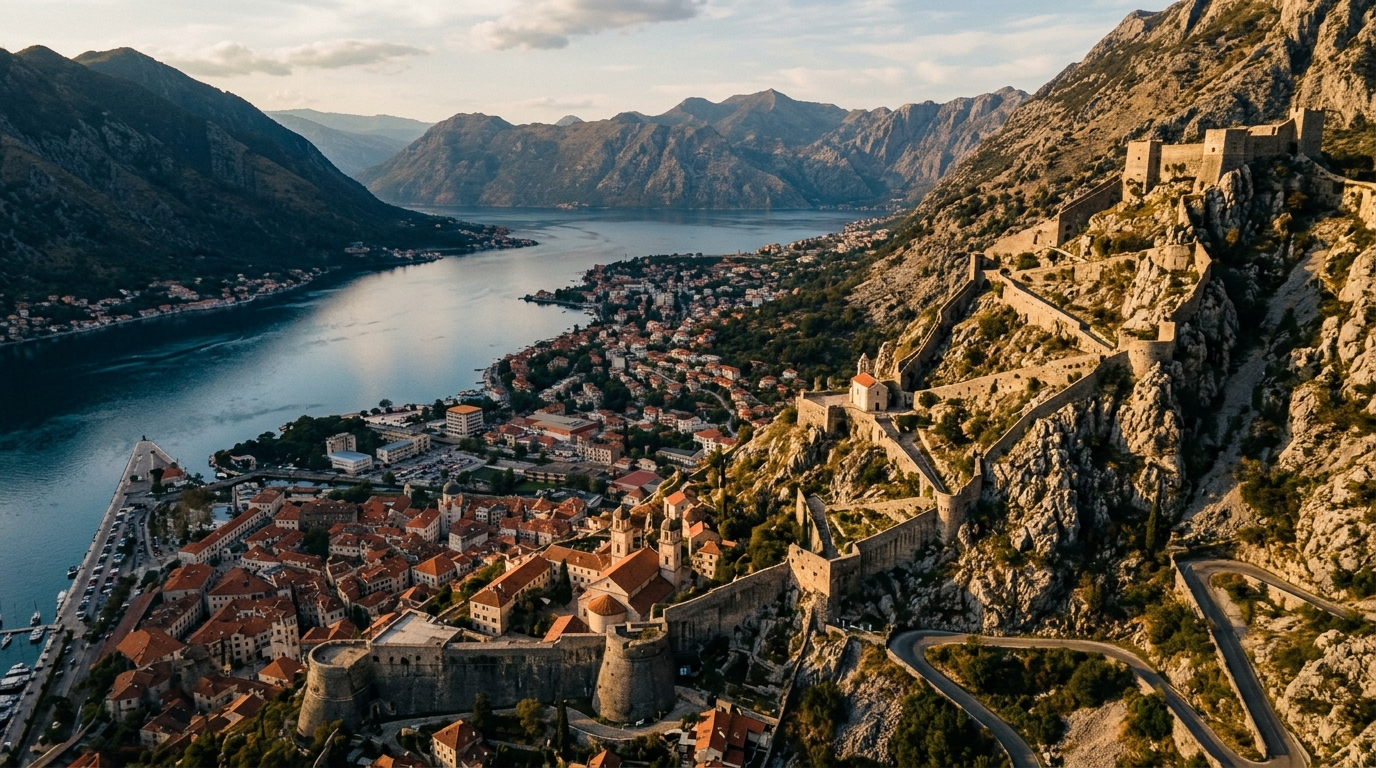
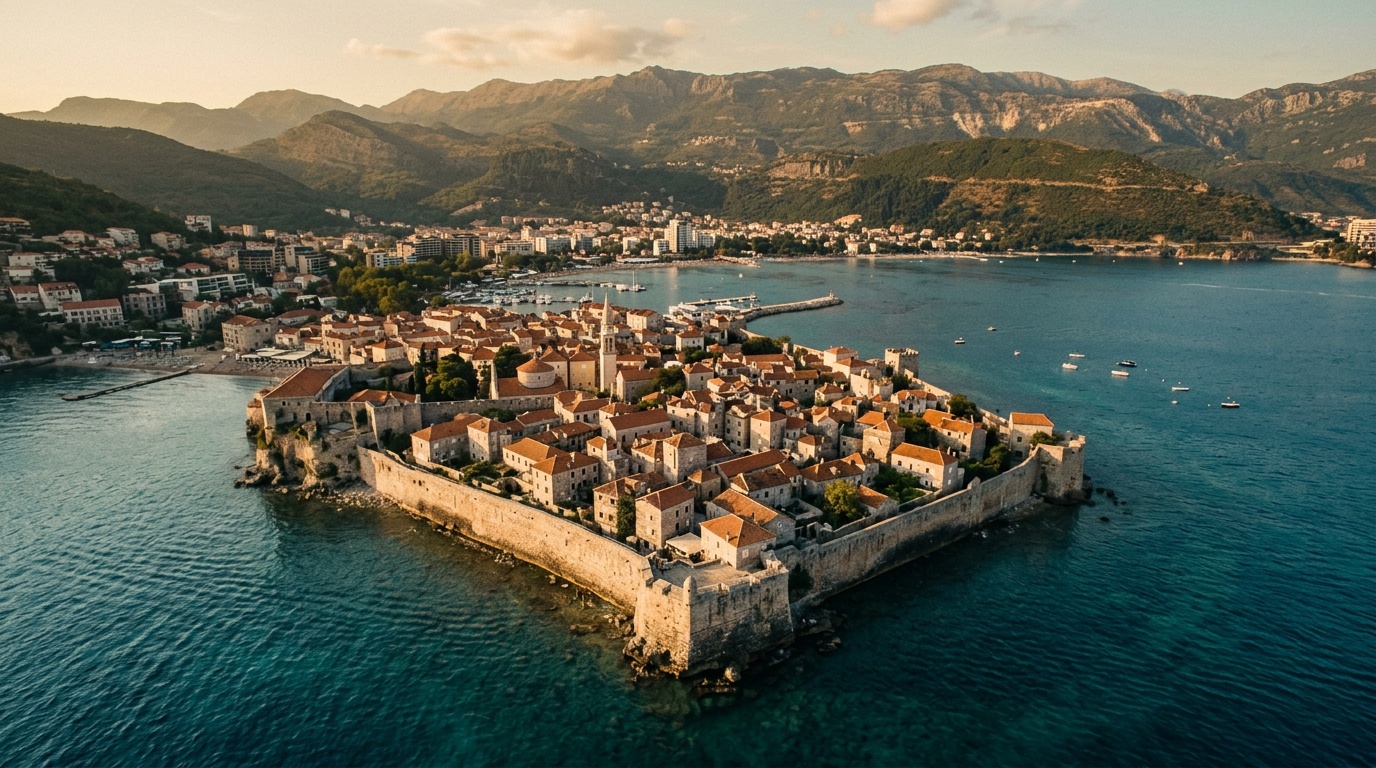
Montenegro is reachable from Split in about 5-6 hours via Dubrovnik. The coastal route is scenic but long. If Montenegro is your primary destination, consider picking up the car in Dubrovnik instead – it is only 30 minutes from the Montenegrin border.