Car Rental in Romania
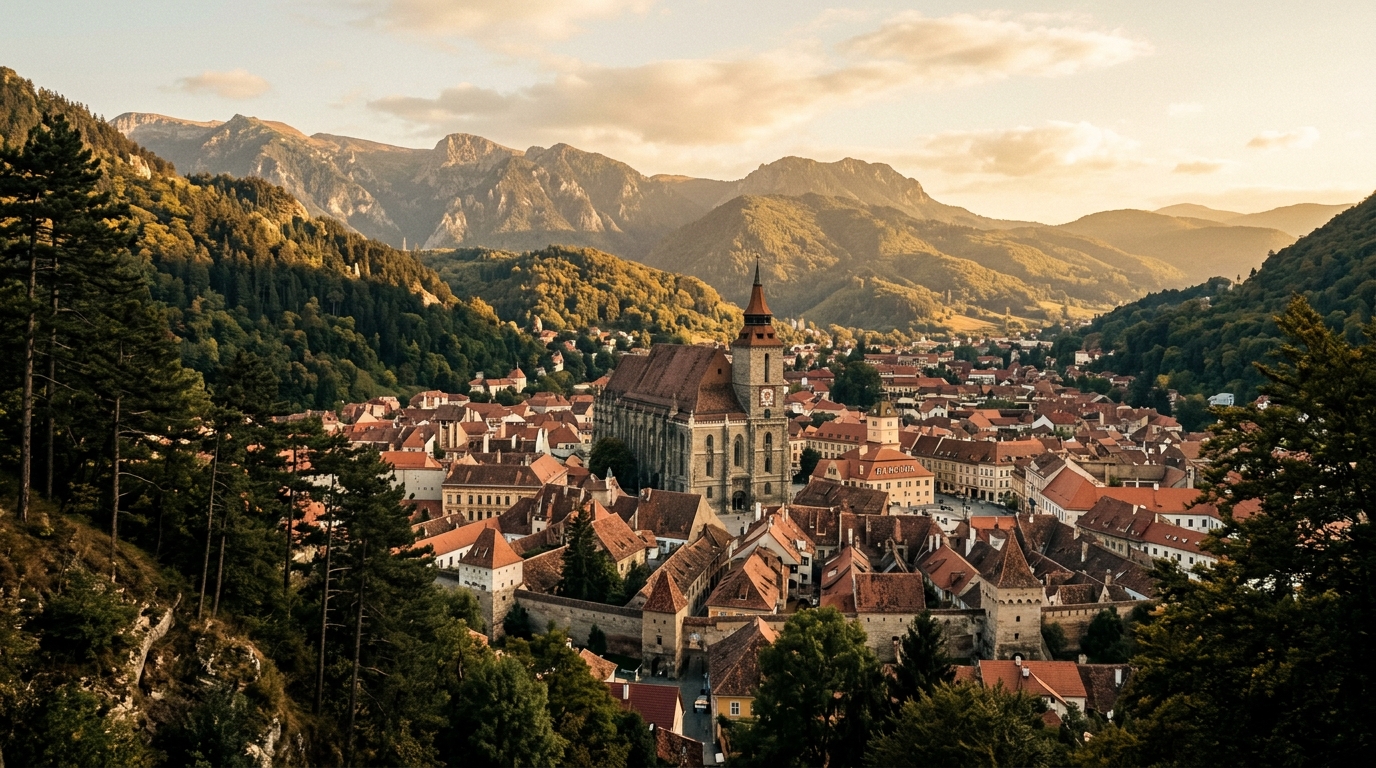
Romania is one of those countries where renting a car changes the trip entirely. The train network connects the major cities well enough, but the things that make Romania worth visiting — the fortified churches of southern Transylvania, the painted monasteries of Bucovina, the Transfagarasan highway snaking over the Carpathians at 2,042 meters — are scattered across a large country with limited public transport between them. A rental car turns a week of frustrating bus schedules into a genuine road trip.
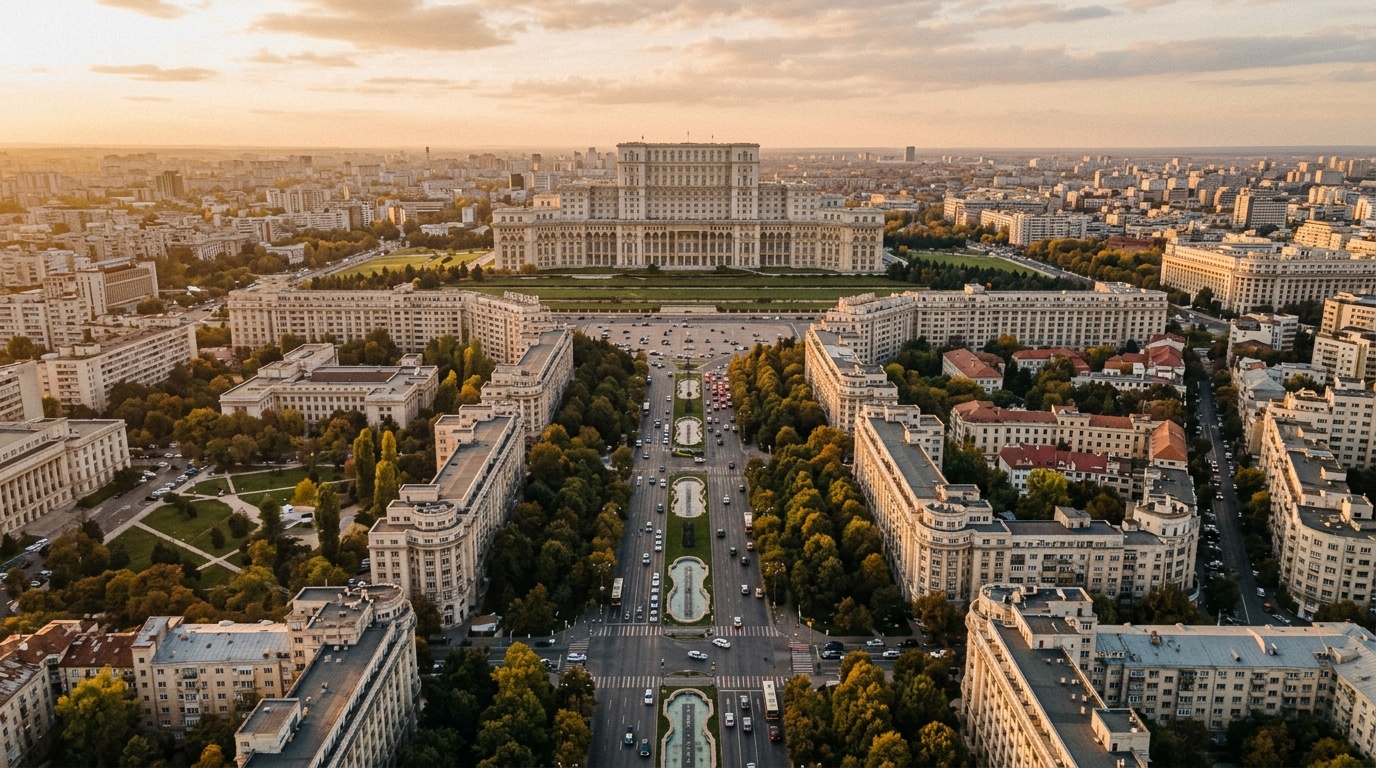
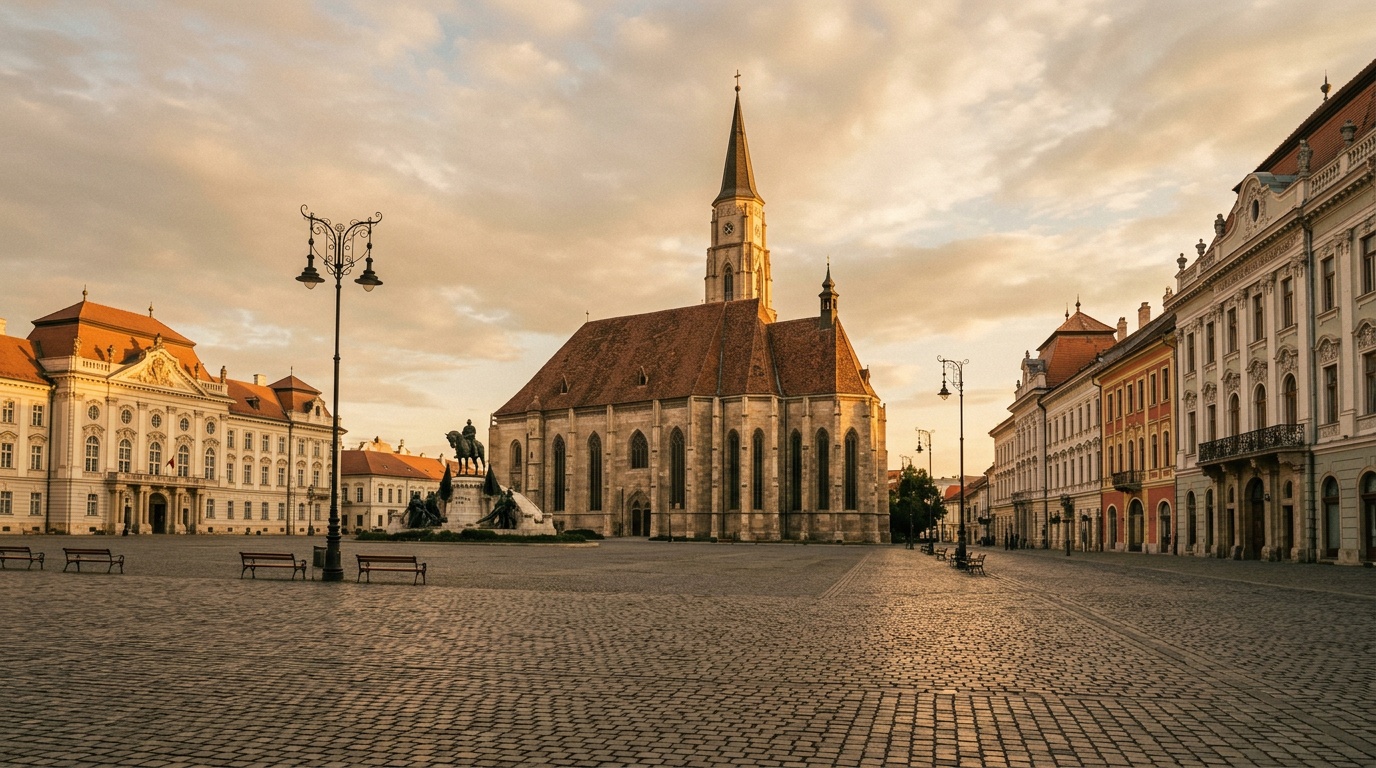
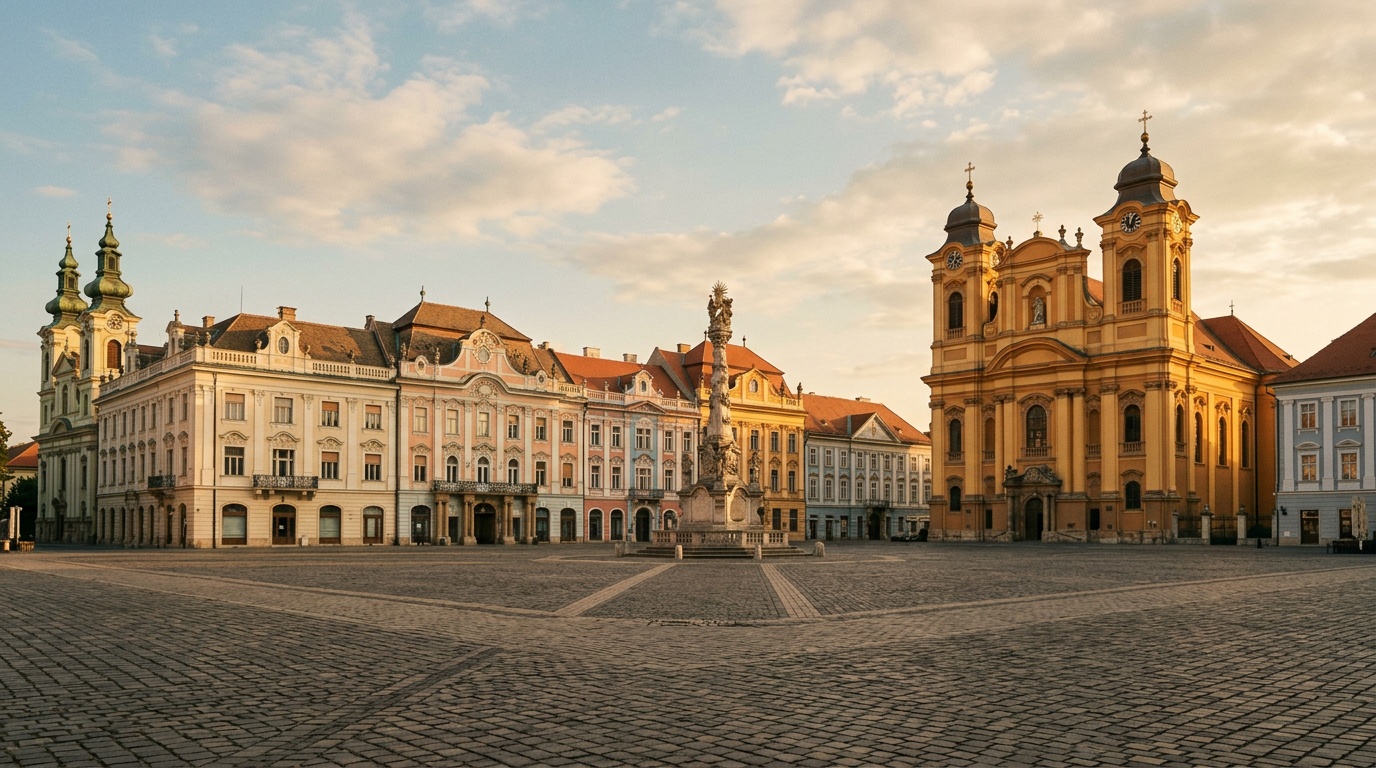
The good news is that Romania has some of the cheapest rental prices in the EU. Bucharest, with its large airport and competitive agency market, is the sweet spot. Economy cars start from 10-12 EUR per day in the low season, and even in summer the same car rarely exceeds 25-30 EUR. Outside Bucharest, the market thins out. Cluj-Napoca has a reasonable selection. Timisoara and Brasov have fewer options, and you will pay a small premium for the reduced competition. One-way rentals between cities are available from larger agencies but come with drop-off fees of 30-80 EUR depending on distance.
The agency landscape is dominated by a mix of international brands and strong local players. Autonom and Klass Wagen are the two biggest Romanian chains — both have modern fleets, airport desks, and prices that consistently undercut Hertz and Europcar by 15-25 percent. Enterprise and Sixt have solid Bucharest operations. At the budget end, smaller locals offer rock-bottom prices but older vehicles and stricter mileage limits. We have had good experiences with Autonom in particular — their damage inspection process is thorough and fair, which matters more than the daily rate.
Romanian roads deserve a few words of honest assessment. The motorway network is growing but still limited — the A1 from Bucharest toward Pitesti, the A3 starting from Bucharest toward Brasov (partially complete), and short stretches around Timisoara and Sibiu. Between motorway segments, you drive on national roads (DN) that pass through every village along the route. This means speed drops, horse carts sharing the road, and overtaking trucks on two-lane highways. It is not dangerous if you drive patiently, but 200 km can easily take three hours on a DN road. The mountain passes — Transfagarasan, Transalpina, the road through Bicaz Gorge — are the reward. These are some of the best driving roads in Europe, period. Just do not try the Transfagarasan before late June or after mid-October — snow closes the high section for about seven months of the year.