Car Rental in Dubrovnik
Overview
Dubrovnik is the priciest rental city in our entire coverage area. An economy car in July costs 50-75 EUR per day, which puts it on par with Western European resort cities. In the off-season it drops to a more reasonable 22-30 EUR per day, but Dubrovnik in November is a different city entirely – half the restaurants closed, the old town quiet, and the rental car mostly useful for the drive itself rather than as a base for beach-hopping.
The math on renting in Dubrovnik depends on what you want to do. If your plan is to spend four days inside the walled city, you do not need a car. The old town is pedestrianized, parking is a headache, and the airport shuttle bus runs reliably for 10 EUR. But if you want to explore the Peljesac peninsula wine region, drive to Ston for oysters, take a day trip to Kotor in Montenegro, or visit Mostar in Bosnia, then a car changes everything. These are the day trips that make Dubrovnik more than a Game of Thrones photo opportunity, and none of them work efficiently with public transport.
The agency mix at Dubrovnik Airport is tilted toward international chains – Sixt, Europcar, Enterprise, Hertz – all with desks in the arrivals hall. Local agencies exist but are fewer than in Split or Zagreb. Prices from local agencies can be 10-20 percent lower, but the savings shrink in peak season when everyone charges what the market will bear. We generally recommend booking international in Dubrovnik for the cross-border flexibility: Montenegro is 30 minutes away, and you will almost certainly want to drive there. Local agencies are more likely to restrict it or charge extra.
Driving tips
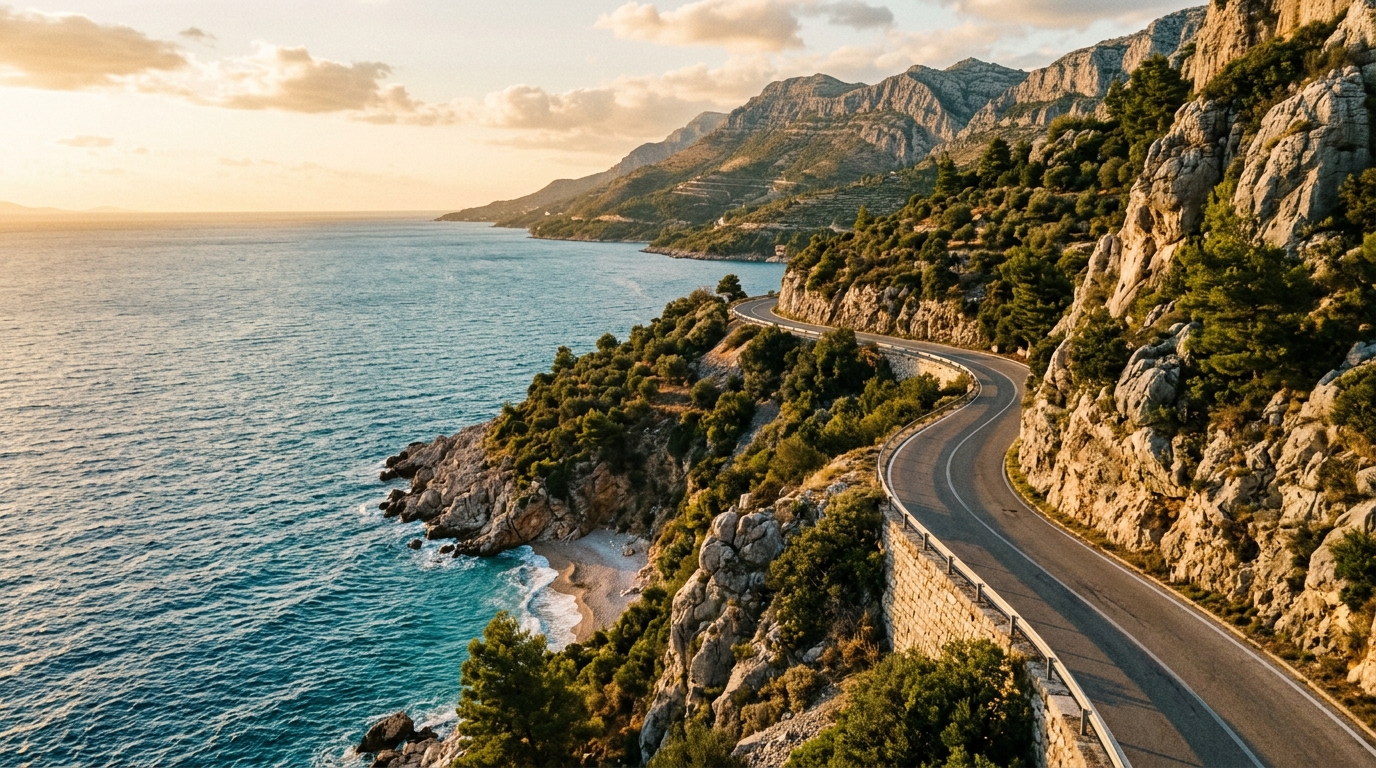
Driving around Dubrovnik is not difficult, but the geography creates some bottlenecks. The city occupies a narrow strip of coast between steep hills and the sea, and the main road (the D8 coastal highway) runs through it as a single artery. In summer, this road carries local traffic, tourist traffic, cruise ship excursion buses, and delivery trucks – all on two lanes. The stretch between the Gruz area and the Pile Gate turnoff is particularly congested between 10 AM and 2 PM when the cruise ships are in.
The road north toward the Peljesac Bridge and eventually Split is the D8, which winds along the coast and is scenic but slow. The Peljesac Bridge, opened in 2022, has simplified the drive significantly – you no longer need to pass through the Neum corridor (a 9 km strip of Bosnian territory that used to require two border crossings). The bridge routes you across to the Peljesac peninsula and back to the Croatian mainland, all without leaving the country. GPS systems generally route you this way by default now.
South of Dubrovnik toward Montenegro, the road is straightforward but border waits can be significant. The Debeli Brijeg crossing is the main one and handles all the Dubrovnik-to-Montenegro traffic. In July and August, waits of 30-60 minutes are routine, sometimes longer on weekend mornings. The actual driving distance to Kotor is only 95 km, but with the border, the trip can take anywhere from 1.5 to 3 hours depending on the queue.
Speed enforcement in the Dubrovnik area relies on both fixed cameras and police patrols. There are cameras on the main approach roads and at the tunnel near Gruz. The tunnel speed limit (60 km/h) is strictly enforced. On the D8 coastal road, police often sit at scenic overlooks with radar – ironic, perhaps, but effective.
Parking
Parking in Dubrovnik is genuinely adversarial. The old town has zero car access – it is fully pedestrianized, and the nearest parking is the garage above Pile Gate, which charges 6-8 EUR per hour in summer. At those rates, a full day of sightseeing will cost you more in parking than the car rental itself. The garage has limited capacity and fills up by 9-10 AM in July and August. There is no overflow; when it is full, you turn around.
The realistic approach is to park in the Gruz area, where there are large lots near the harbor. Some are free (side streets above the harbor), others charge 1-2 EUR per hour. From Gruz, city buses 1A and 1B run to the Pile Gate every 10-15 minutes for about 2 EUR. It adds 20 minutes to your commute but saves enormous amounts of money and frustration.
For multi-day stays, the best strategy is to choose accommodation with parking. Hotels and apartments in the Lapad peninsula and Babin Kuk area typically include parking, and you can bus or taxi to the old town. This is the setup that most locals recommend, and it is what we do ourselves. Driving into the old town area should be a last resort, not a daily plan.
Street parking near the old town is metered and limited. The few spots along Frana Supila (east of the old town) and above the Banje Beach area fill up instantly. If you find one, expect to pay 1.50-2 EUR per hour with strict time limits.
Border crossings
Dubrovnik is 30 minutes from Montenegro by car, making cross-border day trips almost mandatory. The border at Debeli Brijeg is the main crossing point. You will need your passport, vehicle registration, green card insurance document, and the rental agency’s cross-border authorization letter. Croatian border control on exit is usually quick; the Montenegrin side can take longer, especially when multiple tour buses are in the queue.
The cross-border fee from your rental agency is typically 30-50 EUR, payable when you book. Some agencies include Montenegro in the rental price if you ask – it depends on the company and the season. International chains are generally more accommodating than locals on this.
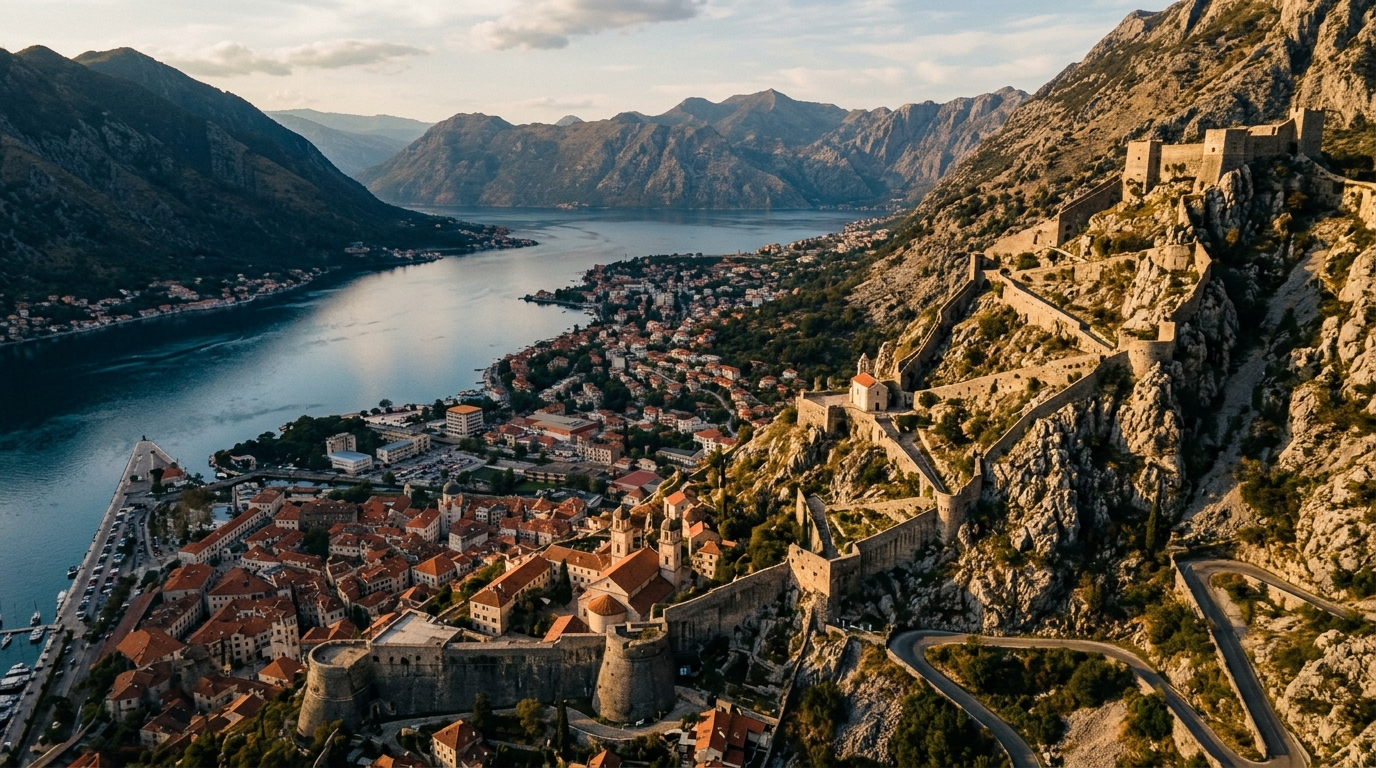
Once in Montenegro, the drive along the Bay of Kotor is one of the most dramatic roads in the Balkans. The road follows the water through Herceg Novi, around the bay’s inner perimeter, and into Kotor. The scenery is extraordinary, but the road is narrow, winding, and busy in summer. Allow 45 minutes from the border to Kotor, more in peak traffic.
Mostar in Bosnia is reachable in about 2.5 hours from Dubrovnik via the D8 north and then inland through the Neretva valley. This is another classic day trip, but not all agencies permit Bosnia. The road through the valley is good, the scenery is superb, and Mostar itself is worth the drive. Confirm Bosnia is allowed before you book, or you may find yourself at the border with an unauthorized vehicle.