Car Rental in Budva
Overview
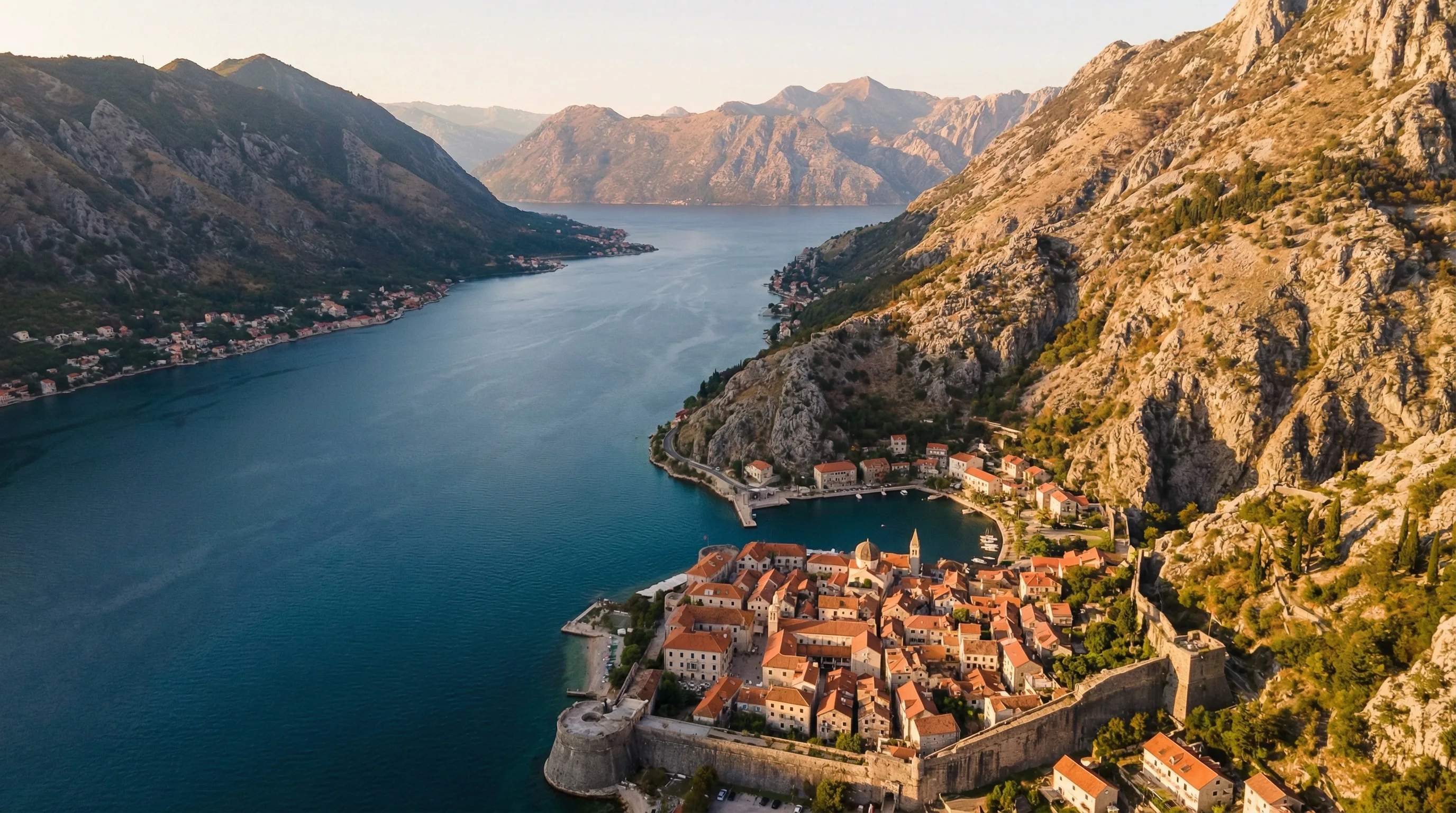
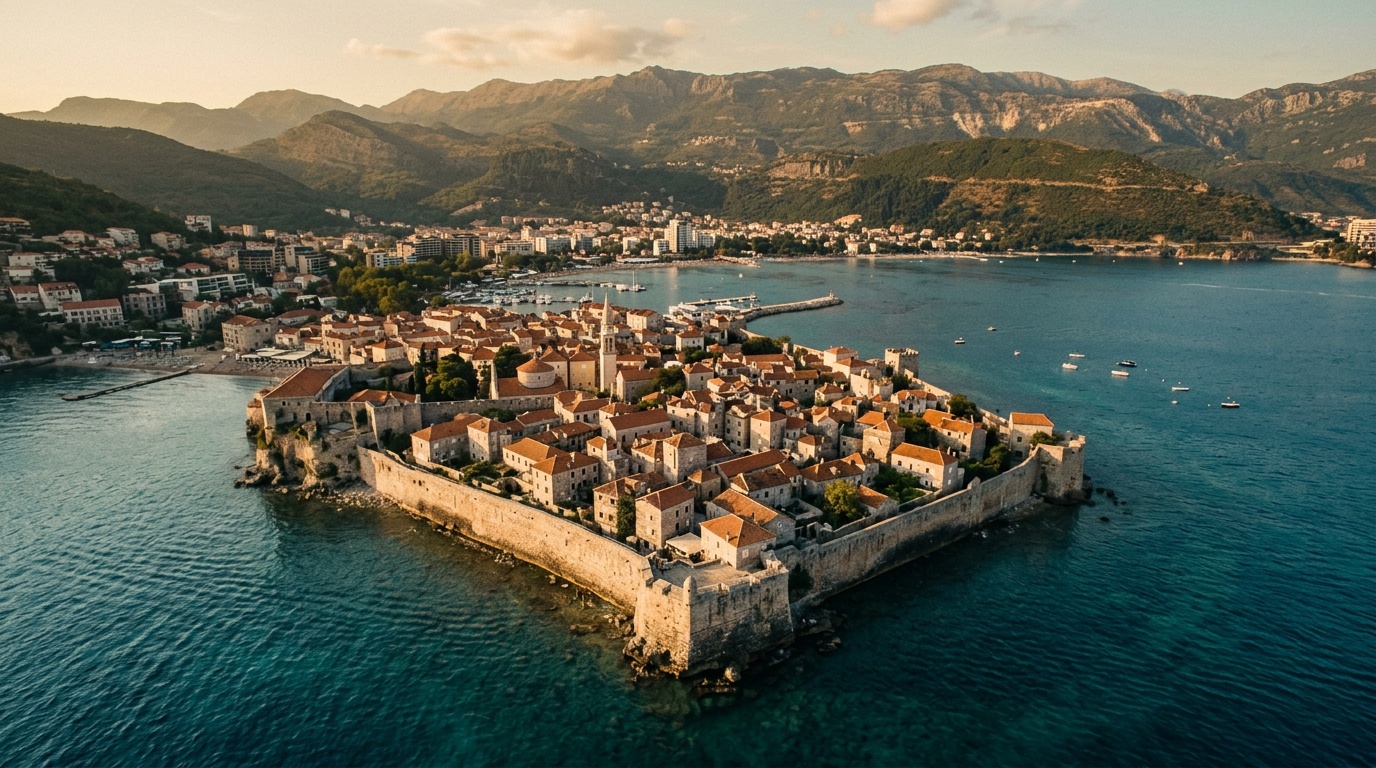
Budva is where most of Montenegro’s summer tourism concentrates. The walled old town is photogenic. The beaches — Mogren, Becici, Jaz — are the most popular on the Montenegrin coast. And between June and September, the town swells from its winter population of 20,000 to something that feels like ten times that. Every restaurant has a terrace, every terrace is full, and every road approaching the town is slow.
Renting a car in Budva makes sense for one reason: getting out of Budva. The town itself is small enough to walk. But the Montenegrin coast stretches 100 km from Herceg Novi in the north to Ulcinj in the south, and the best parts — Sveti Stefan, the Lustica peninsula, the Bay of Kotor — require wheels. A car also gives you the option to escape the coast entirely. Durmitor National Park is a three-hour drive through mountain scenery that makes the beach crowds feel very far away.
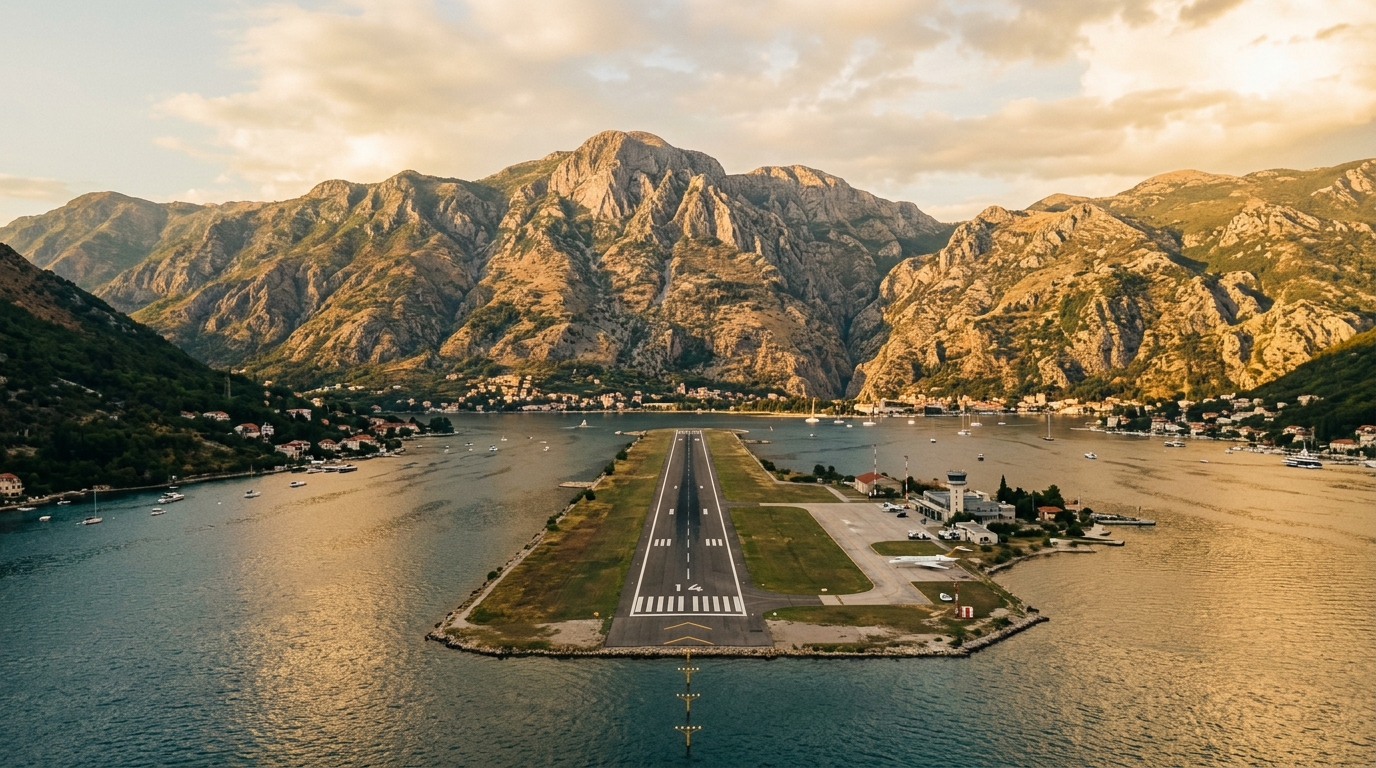
The rental market in Budva is limited. A few local agencies operate storefronts in the town, but the fleets are small and prices are 10-20 percent higher than at Tivat Airport, 20 km up the coast. Our recommendation: pick up at Tivat and drive to Budva. Many agencies will deliver to your Budva hotel for free on rentals of three days or more. If you insist on a Budva pickup, book early in summer — the local operators run out of cars quickly, and by mid-July you may find nothing available at any price.
Prices peak hard in July and August. We have seen economy cars that cost 15 EUR in May jump to 40-50 EUR in late July. The shoulder season (May-June, September) is the sweet spot — lower prices, manageable traffic, warm enough for the beach. The off-season is extremely quiet. Some local agencies close entirely from November to March.
Driving tips
The main road through Budva is the Jadranski Put (Adriatic Highway), which carries all coastal through-traffic. In summer, this single road handles every tourist, every delivery truck, and every tour bus trying to reach the coast. Expect crawling traffic from Becici through Budva center, especially between 10 AM and noon (beach-goers heading out) and 5-7 PM (everyone heading back for dinner).
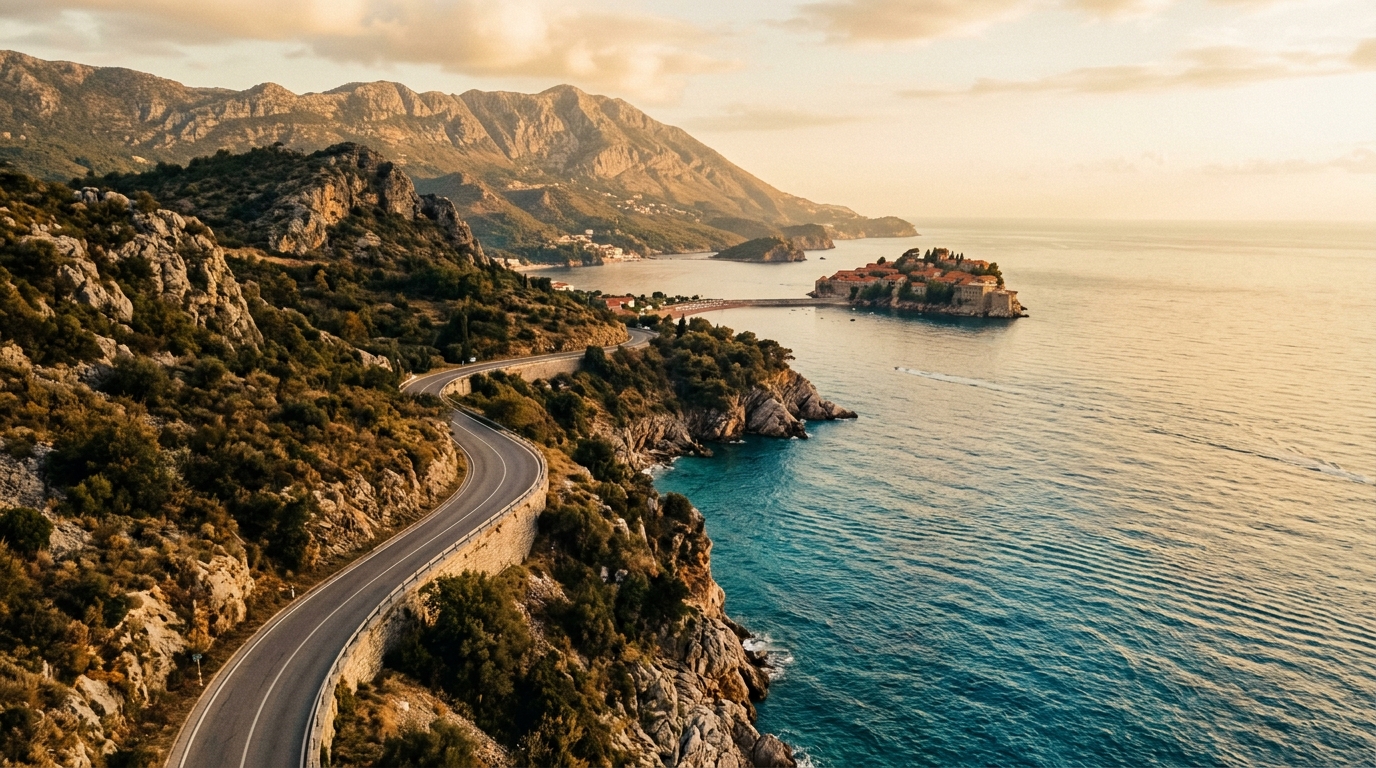
The road to Sveti Stefan is 9 km south — a pleasant 15-minute drive outside summer, a 40-minute ordeal in August. The turnoff is easy to miss if you are not watching for it. The road down to the beach parking is steep and narrow with blind curves. We have seen rental Fiats scrape their bumpers on the incline.
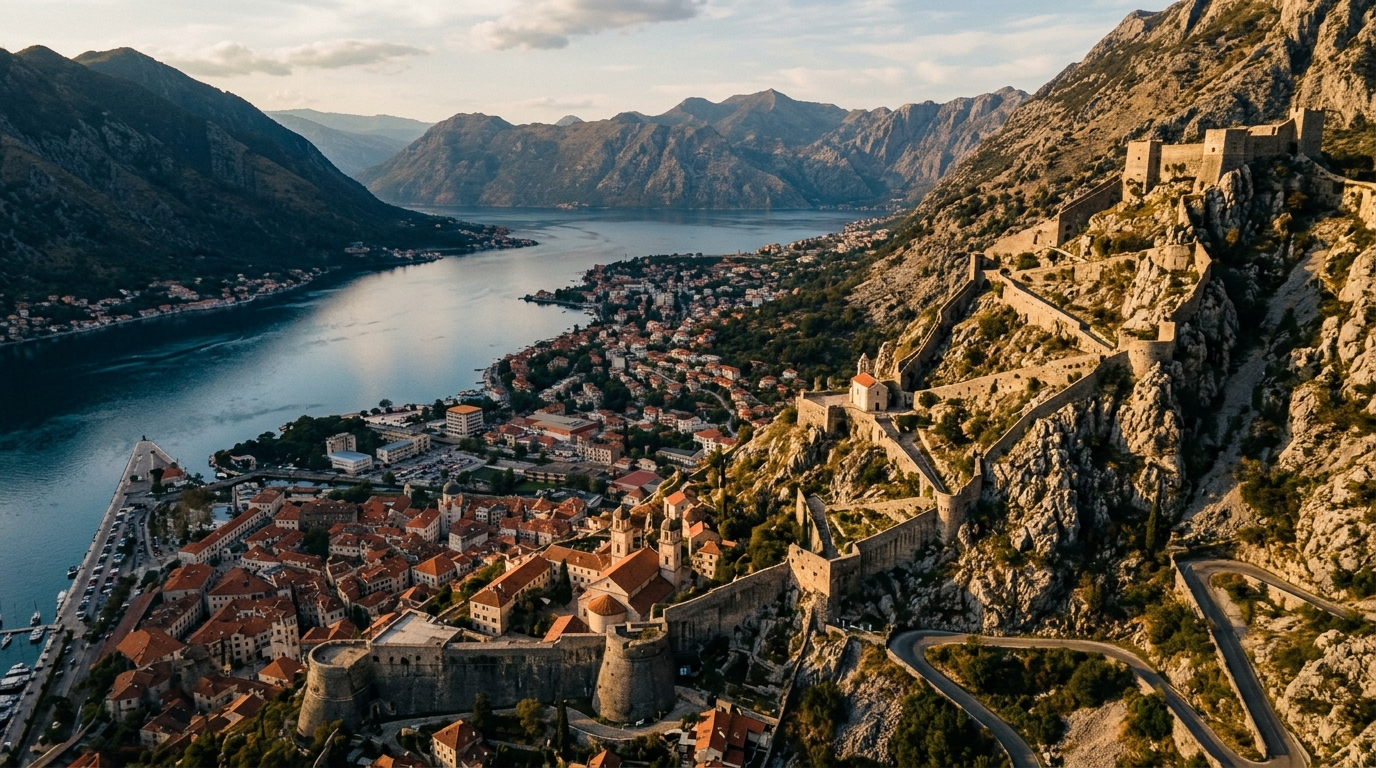
North of Budva, the coastal road to Kotor (22 km) passes through a series of tunnels and hugs the coastline with sea views on one side and apartment blocks on the other. The road is in good condition but narrow in places. Watch for cyclists in shoulder season — the Budva-Kotor stretch is popular with road cycling groups.
Speed cameras exist on the approaches to Budva and along the highway near Becici. The police also set up radar traps at the tunnel exits heading toward Kotor. The speed limit drops to 40 km/h through several villages along the coast, and those drops are enforced.
Parking
Parking in Budva during summer is the single most frustrating aspect of driving here. The old town has no parking at all — the peninsula is pedestrian-only. The surrounding areas fill up fast.
The paid lots along Slovenska Plaza charge 2-5 EUR per hour in peak season, which adds up quickly for a beach day. Jaz Beach, 2 km west of the old town, has a large gravel lot that charges a flat 3 EUR per day — this is the move in summer. You park there, walk 20 minutes to the old town or take a quick taxi (3-4 EUR), and skip the downtown parking circus entirely.
For free parking, head to the residential neighborhoods of Rozino or Dubovica, south of the main road. You will find unrestricted street parking within a 15-20 minute walk of the old town. In September, the pressure eases and metered spots near the center become available without circling.
One tip: if your hotel does not have parking, confirm this before booking. The difference between a hotel with a lot and one without can mean 30 minutes of stress every evening in summer. The larger resort hotels — Splendid, Avala, Maestral — all have private lots. Most smaller pensions do not.
Border crossings
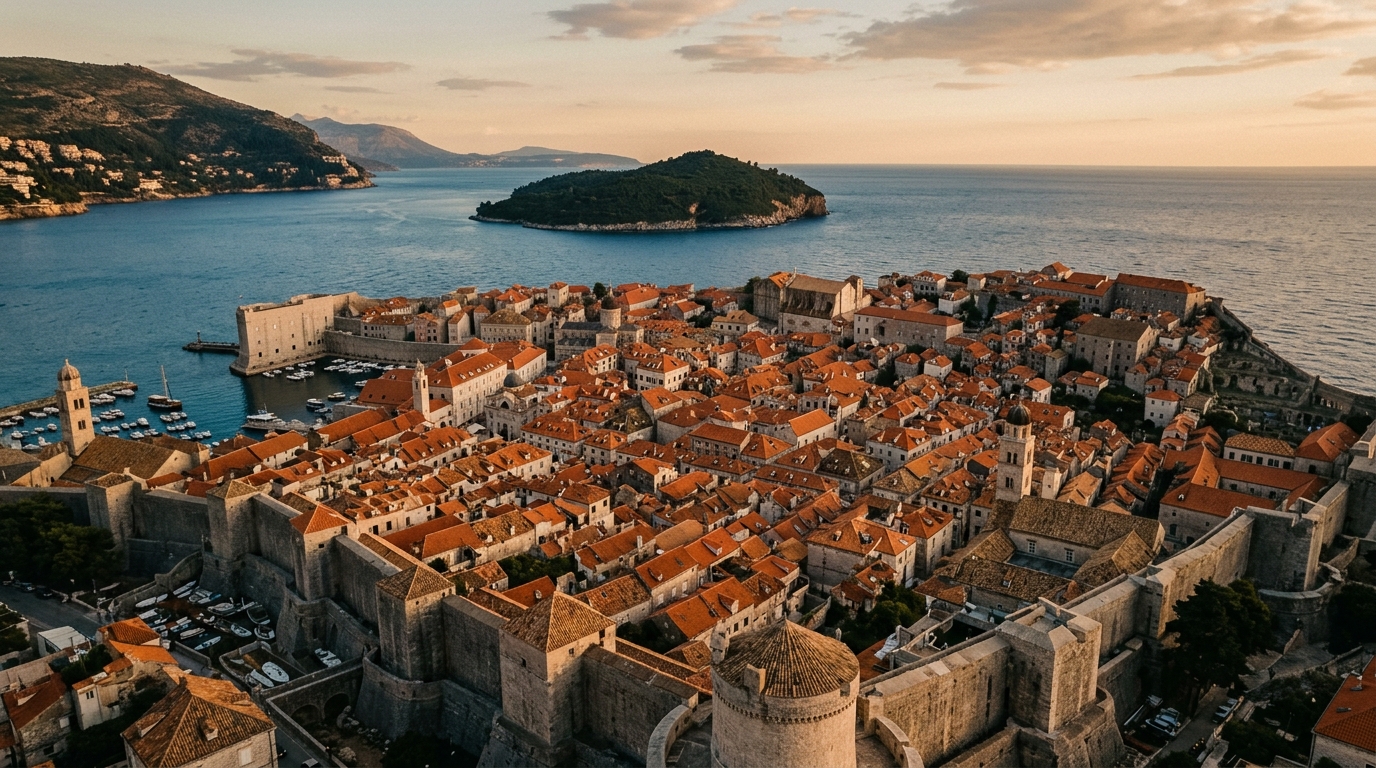
Budva’s coastal location puts you within day-trip range of two borders. Dubrovnik, Croatia, is 65 km north — a 1 to 1.5 hour drive that includes the Bay of Kotor and the Debeli Brijeg border crossing. In summer, the border wait can stretch to 90 minutes on bad days. Early morning (before 8 AM) or late afternoon (after 5 PM) crossings are faster. Cross-border permission costs 30-50 EUR from most agencies and must be arranged in advance.
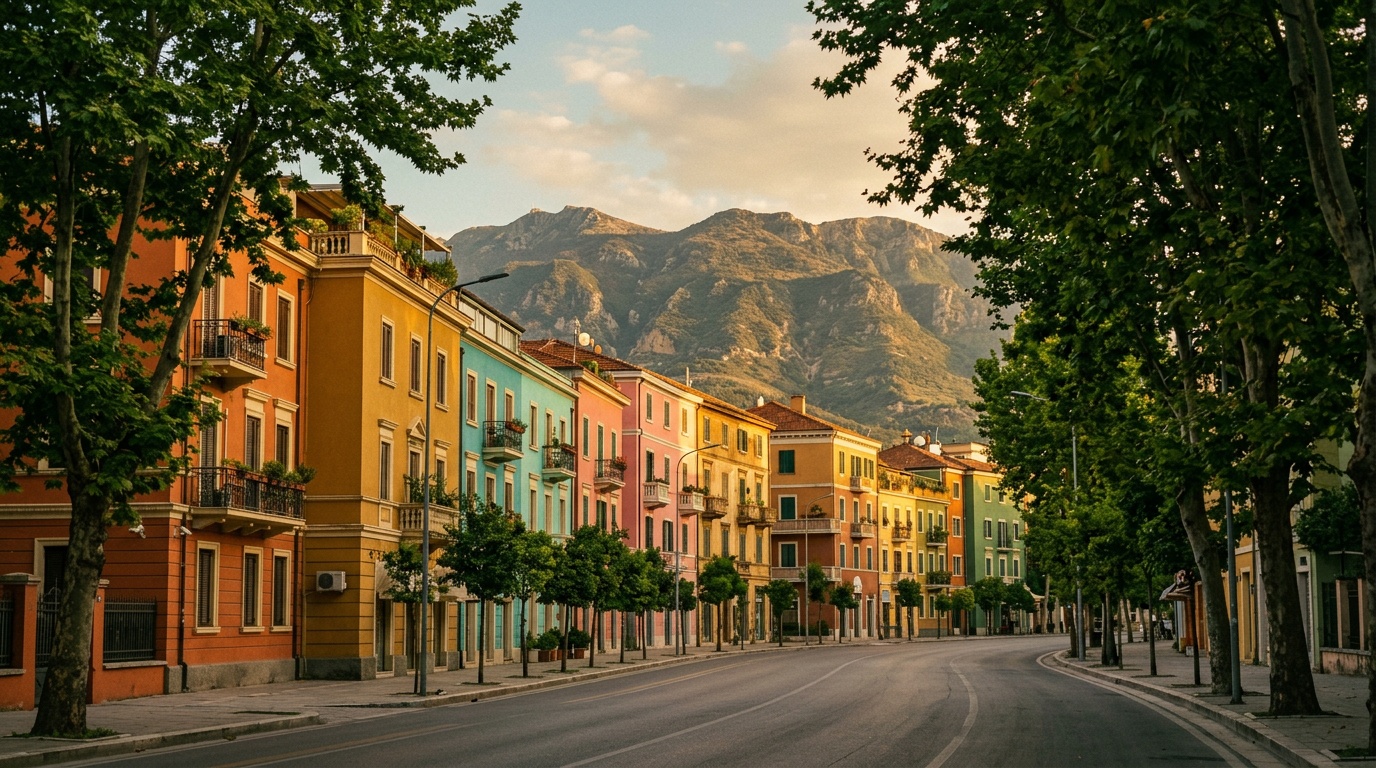
The Albanian border is further — about 120 km via the inland route through Podgorica, or 100 km via the coastal road through Bar and Ulcinj. The coastal route is slower but more scenic, passing through the uncrowded southern Montenegrin coast before reaching the Sukobin border crossing. Albania crossings are typically faster than Croatia. Some agencies add a separate fee for Albania; others bundle it with the general cross-border charge.