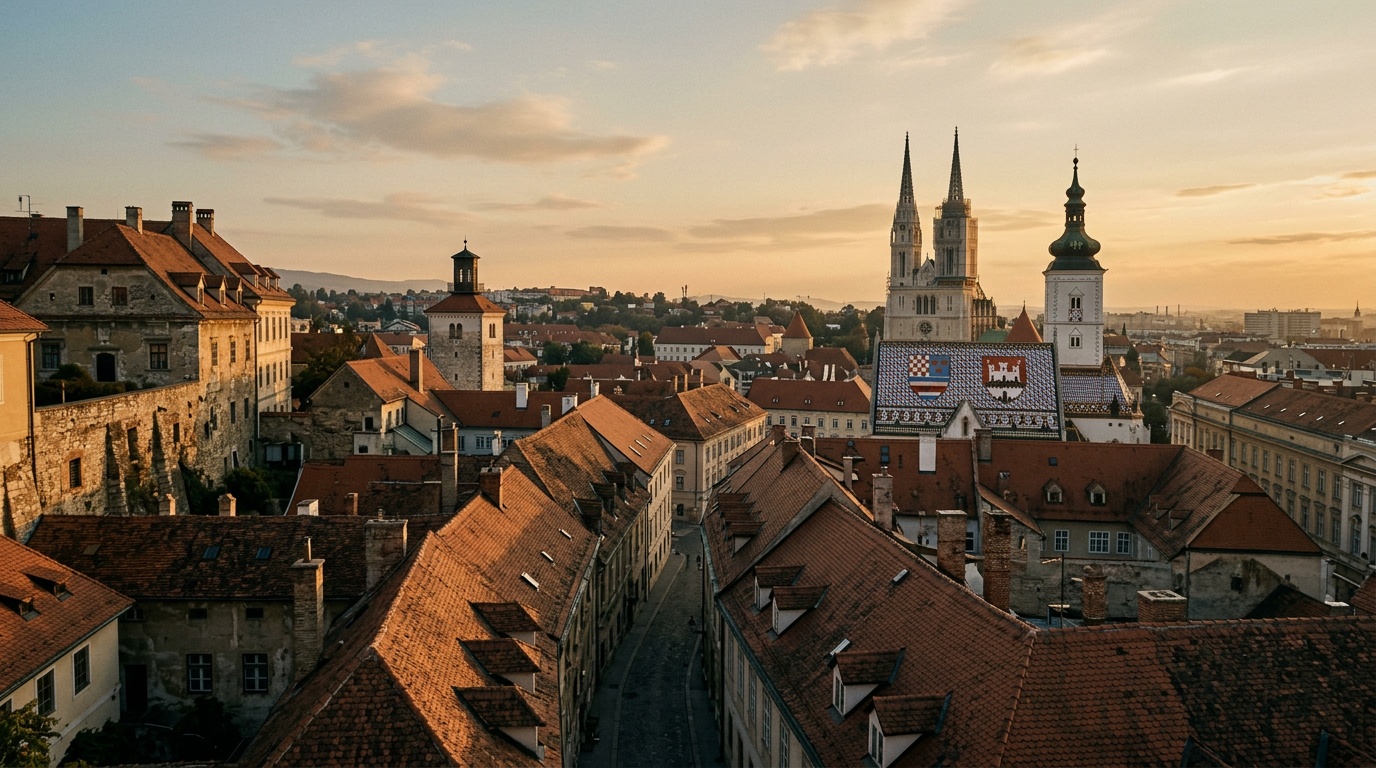
Car Rental in Croatia
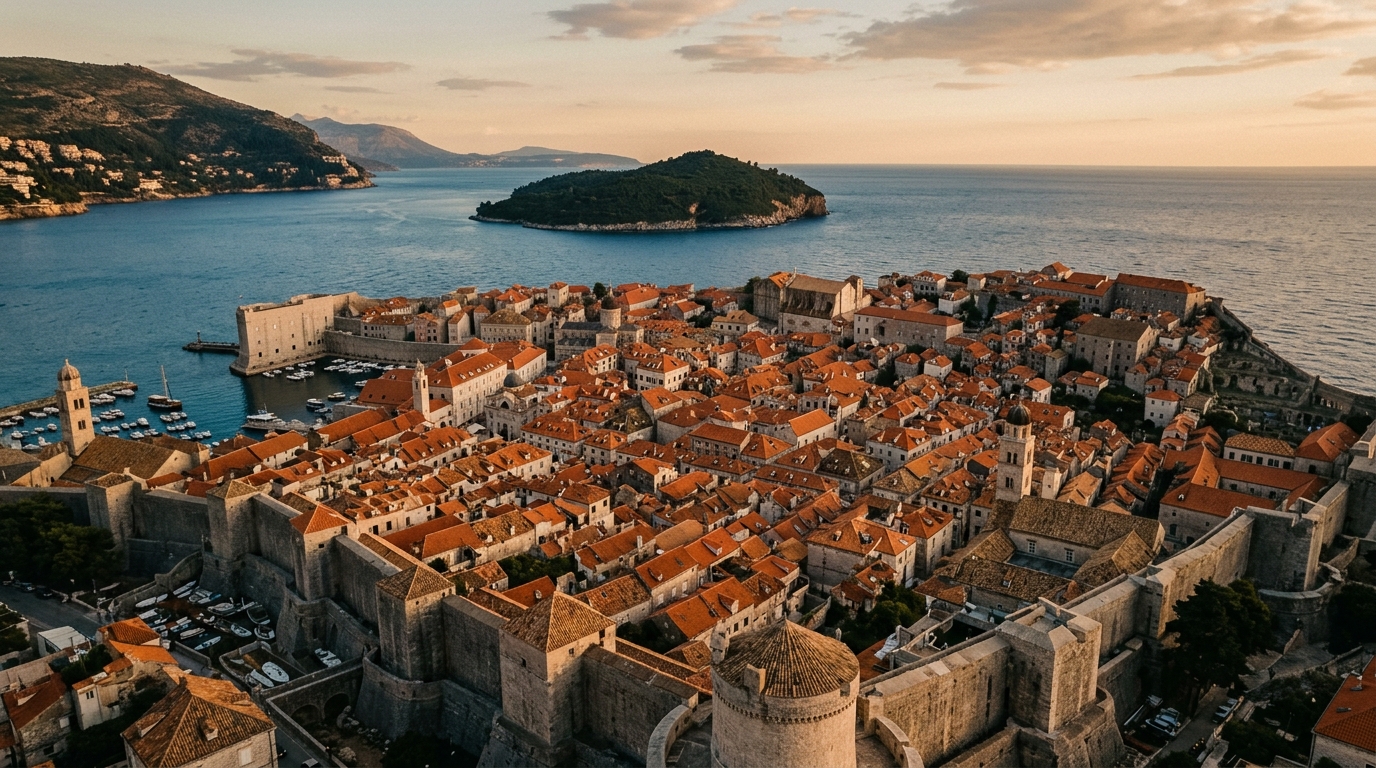
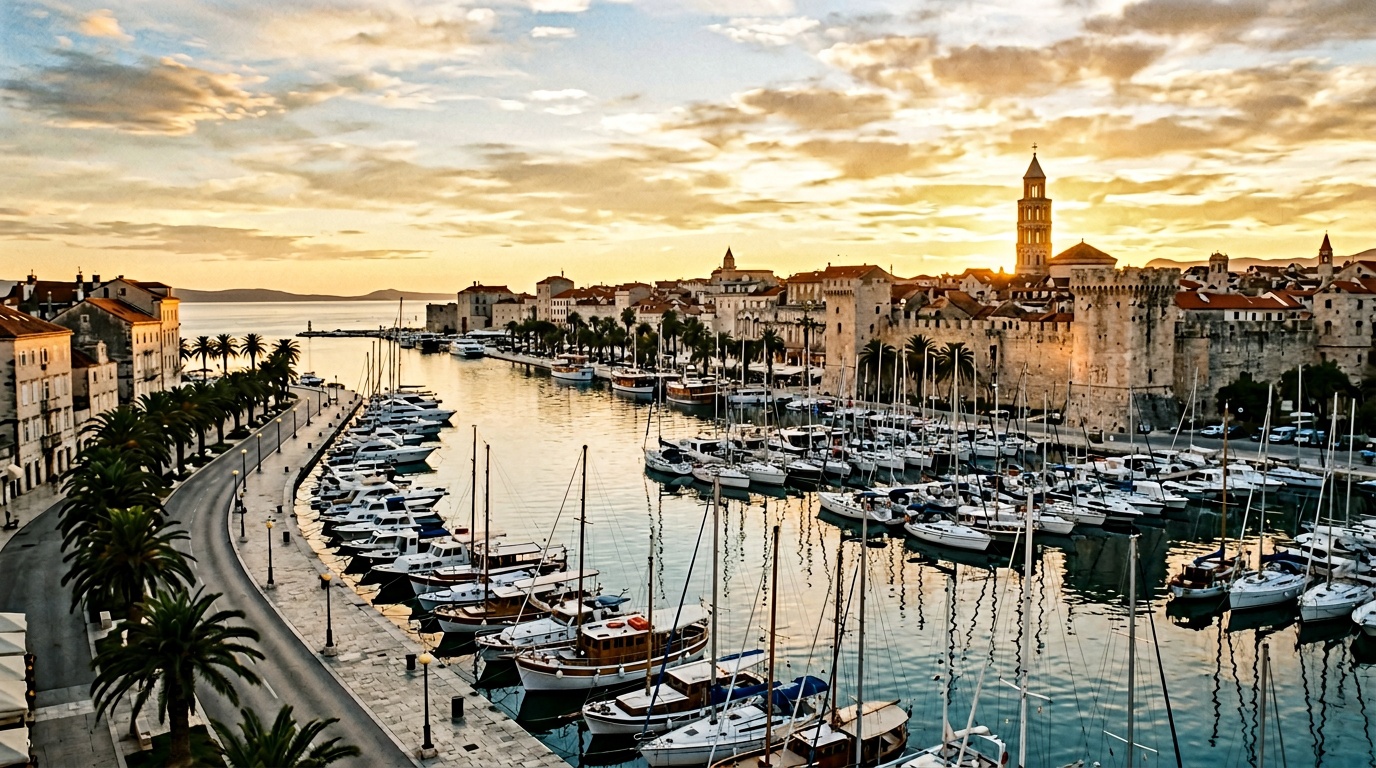
Croatia is the most expensive rental market in our Balkan coverage, and the one where seasonal pricing hits hardest. In January, you can rent an economy car in Zagreb for 20-22 EUR per day and have the motorways practically to yourself. In July, that same car in Dubrovnik or Split will cost 50-75 EUR per day, and you will share the Adriatic highway with half of Central Europe on summer holiday. The swing is dramatic enough that we tell everyone the same thing: if you have any flexibility at all, come in May, early June, or September. The weather is better for driving anyway – fewer tour buses blocking the coastal curves, fewer cruise ship passengers clogging the parking lots in Dubrovnik.
The Croatian rental market splits neatly between international chains and local agencies. International names like Sixt, Europcar, and Enterprise operate at all major airports and offer the convenience of cross-border coverage and standardized insurance. Local agencies – and Croatia has a healthy crop of them – typically undercut the chains by 15-25 percent but may restrict or charge extra for border crossings into Bosnia or Montenegro. Given that many Croatian driving itineraries naturally involve crossing at least one border (the Neum corridor alone puts you briefly into Bosnia on the coastal highway from Dubrovnik to Split), it is worth sorting out the cross-border situation before you sign anything.
Croatia’s road network is genuinely good by regional standards. The A1 motorway from Zagreb down to Split is modern, well-maintained, and tolled. The coastal D8 highway – the Adriatic magistrala – is one of the most scenic drives in Europe, threading through cliffs and seaside towns from Rijeka to Dubrovnik. Island access is straightforward: Jadrolinija ferries accept rental cars on most routes, though you should confirm with your agency that island driving is permitted (some restrict it for insurance reasons). Fuel stations are plentiful along motorways and in towns, but can thin out on the islands, so top up before boarding the ferry. Parking is the one persistent headache – in July and August, finding a spot in any Dalmatian coastal town requires either arriving before 9 AM or paying a premium for a garage. We cover the parking situation city by city in our guides, because it varies enormously from Zagreb (easy) to Dubrovnik (adversarial).
One thing Croatia has going for it that much of the region does not: it joined the euro zone in 2023. No more currency exchange, no more kuna calculations, no more getting shortchanged at border money changers. Prices at agencies, fuel stations, toll booths, and parking meters are all in euros, and credit cards work everywhere that matters. The Peljesac Bridge, also completed recently, eliminated the last major annoyance of coastal driving – the Neum corridor, where you used to cross through 9 km of Bosnian territory (and two border checkpoints) between Split and Dubrovnik. Croatia is now a genuinely seamless driving destination from north to south, and the infrastructure reflects a country that takes its tourism economy seriously.