Car Rental in Bucharest
Overview
Bucharest is not a city most people visit for Bucharest. They fly into Otopeni, pick up a car, and drive to Transylvania. This is a perfectly valid strategy, and the rental market is priced accordingly — Bucharest has the most competitive car hire rates in Romania and among the cheapest in the EU. Economy cars from 10-12 EUR per day in the off-season. Even in August, you are rarely paying more than 25-30 EUR for a basic Dacia Sandero or Renault Clio.
We have rented from Otopeni Airport six times. The experience varies by agency but the process is consistent: land, collect bags, walk 50 meters to the rental hall, queue for 10-20 minutes, sign papers, walk to the parking garage. Autonom — Romania’s largest domestic chain — is our go-to. Their fleet is modern, the damage inspection process is thorough (they photograph everything in your presence), and their pricing undercuts the international chains by 15-20 percent. Klass Wagen is the other strong local option. Among internationals, Sixt and Enterprise have the smoothest Bucharest operations.
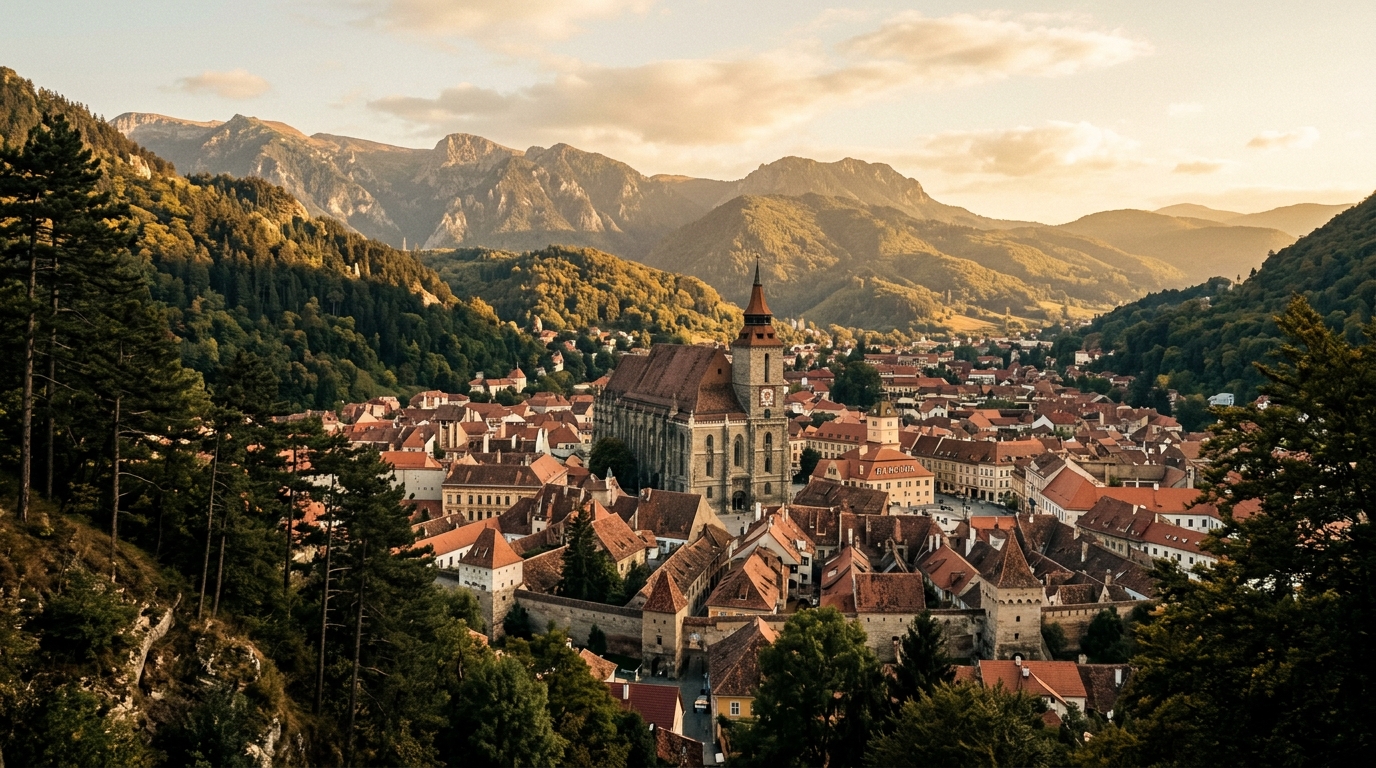
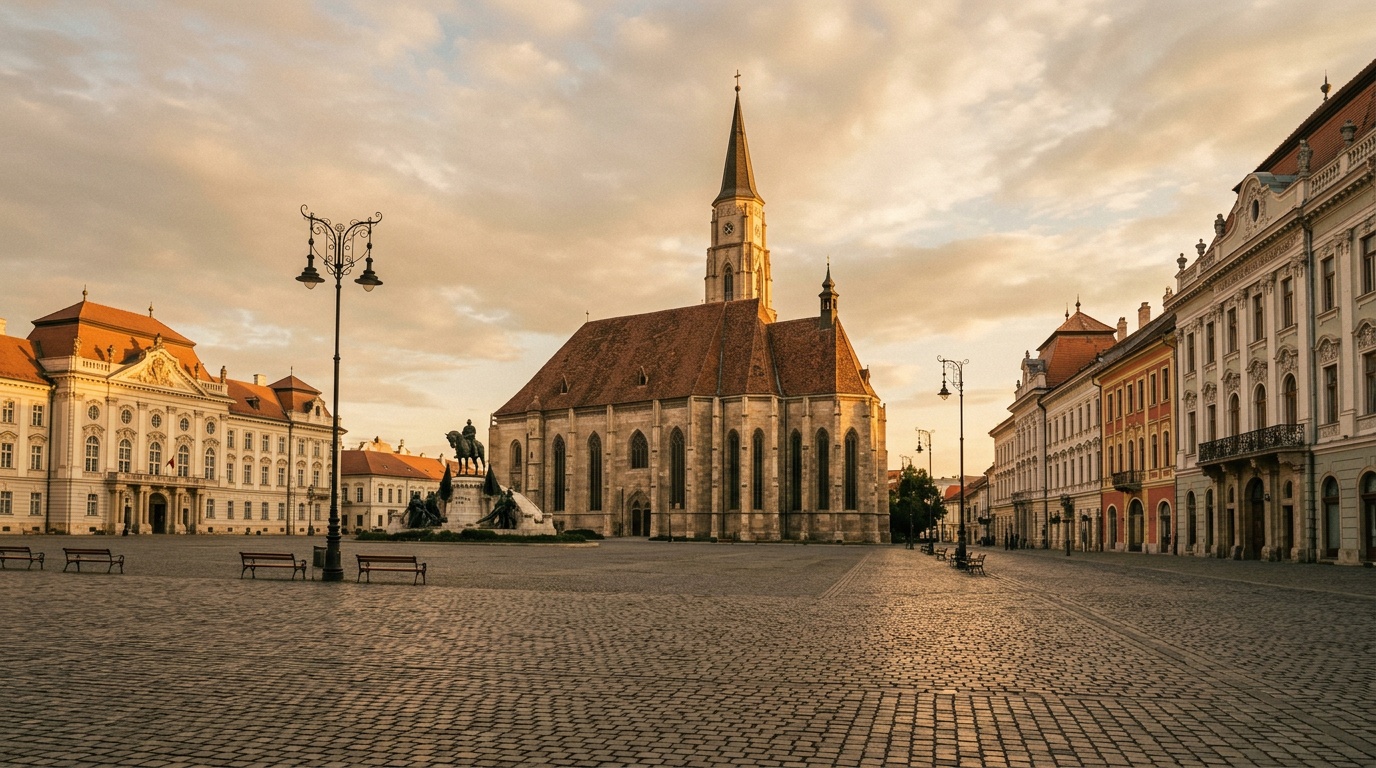
The agency selection at Otopeni is the best in Romania by a wide margin. If your trip involves multiple cities, picking up in Bucharest and dropping off elsewhere (Brasov, Cluj, Timisoara) is viable. One-way fees run 40-80 EUR depending on distance. For a two-week Transylvania loop, we recommend Bucharest pickup and return — no drop-off fee and the best starting price.
One note: if you are staying in Bucharest for a few days before heading out, consider not picking up the car until the day you leave the city. Driving in Bucharest is stressful (see below), parking is a hassle, and the metro system covers the center efficiently. Pick up on Day 3, when you are actually ready to drive north.
Driving tips
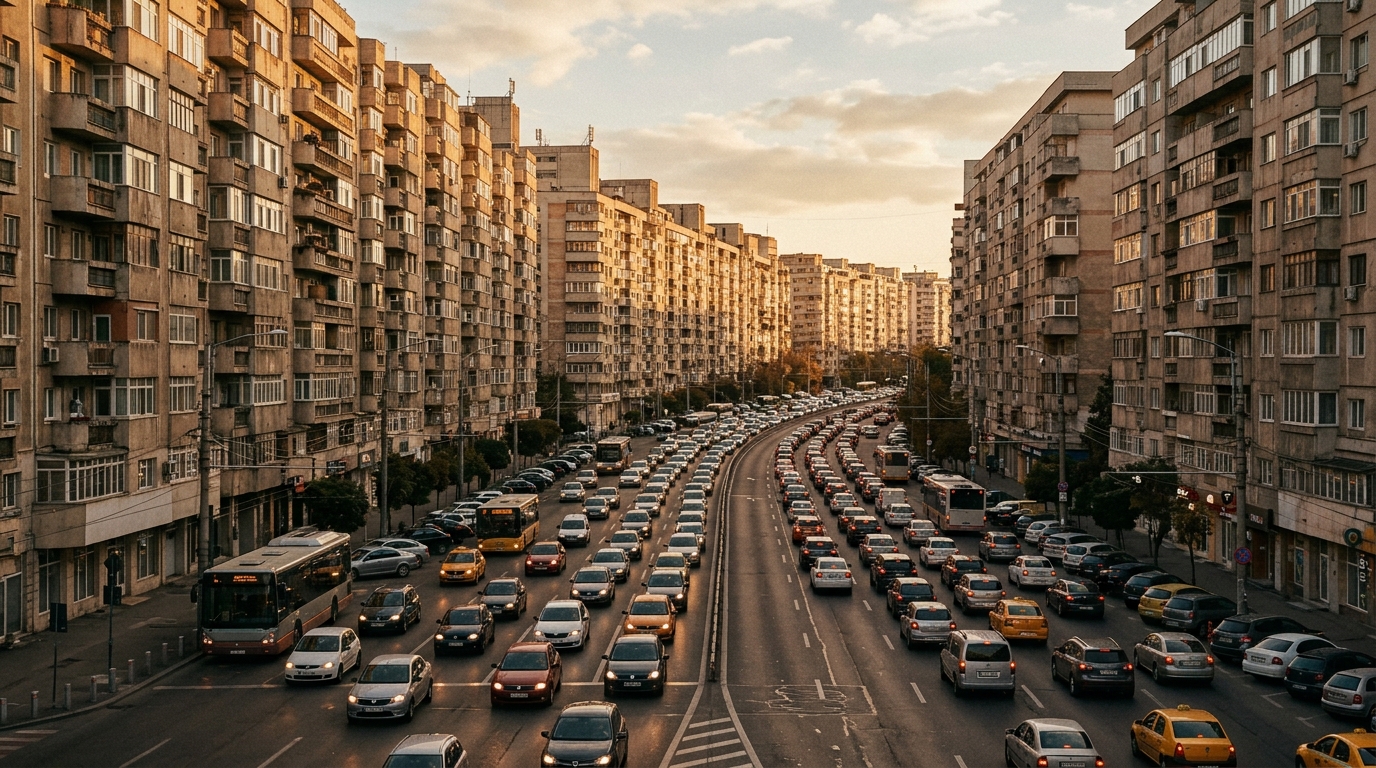
Let us be direct: driving in Bucharest is unpleasant. The city has wide boulevards designed for 1980s traffic volumes, now carrying ten times that. Lane markings are suggestions. Drivers change lanes without signaling, run amber lights as a matter of principle, and treat roundabouts as multi-player competitive events. Double-parking is endemic. The ring road (Centura) is a potholed two-lane highway masquerading as a bypass, currently being expanded to motorway grade in sections.
All of this sounds worse than it is. Once you adjust to the pace — which takes about 30 minutes — Bucharest driving is manageable. The key is defensive awareness: assume every car around you will do something unexpected, and leave extra following distance. The traffic is aggressive but not fast. During rush hour (7-9 AM, 5-7 PM), everything slows to a crawl anyway.
Leaving Bucharest is where the drive improves dramatically. The DN1 highway north to Ploiesti and Brasov is being progressively replaced by the A3 motorway (partially complete as of 2026). Once you clear the northern suburbs — about 30 minutes from the center — the road opens up and the driving becomes straightforward.
Speed cameras are widespread on the approaches to Bucharest and along the DN1. Romanian police also use mobile radar extensively, especially on national roads in the flat Wallachian plain south of the Carpathians. The fines for exceeding the limit by 10-30 km/h start at around 30 EUR. By 50 km/h over, you are looking at license confiscation and a court appearance. The speed limits are posted clearly; the challenge is maintaining 50 km/h through the dozens of villages where the national road becomes the main street.
Parking
Parking in Bucharest ranges from mildly inconvenient to genuinely problematic, depending on the neighborhood. The city center — especially the old town (Lipscani) and the area around Piata Universitatii — has almost no parking available. Street spots exist but are perpetually occupied. The SMS-based parking system requires texting your license plate to a short code, which works if you have a Romanian SIM or a phone that can send SMS to local numbers. Your rental agency can explain the process.
The practical solution is mall garages. AFI Cotroceni, Baneasa Shopping City, Promenada, and ParkLake all have large underground parking with the first 2-3 hours free if you buy something. They are scattered across the city but well-connected by main roads. For old town visits, park at a mall or hotel garage and take a taxi or the metro.
At the airport, the official long-term lot charges 12-15 EUR per day. Third-party lots like Park & Fly, located on access roads near the airport, offer 6-8 EUR/day with shuttle service. These are fine for multiday parking but require advance booking in summer.
If your hotel does not have parking, ask whether they have a partnership with a nearby garage. Many central Bucharest hotels have arrangements that cost 8-15 EUR per night — expensive, but less stressful than hunting for street spots every evening.
Border crossings
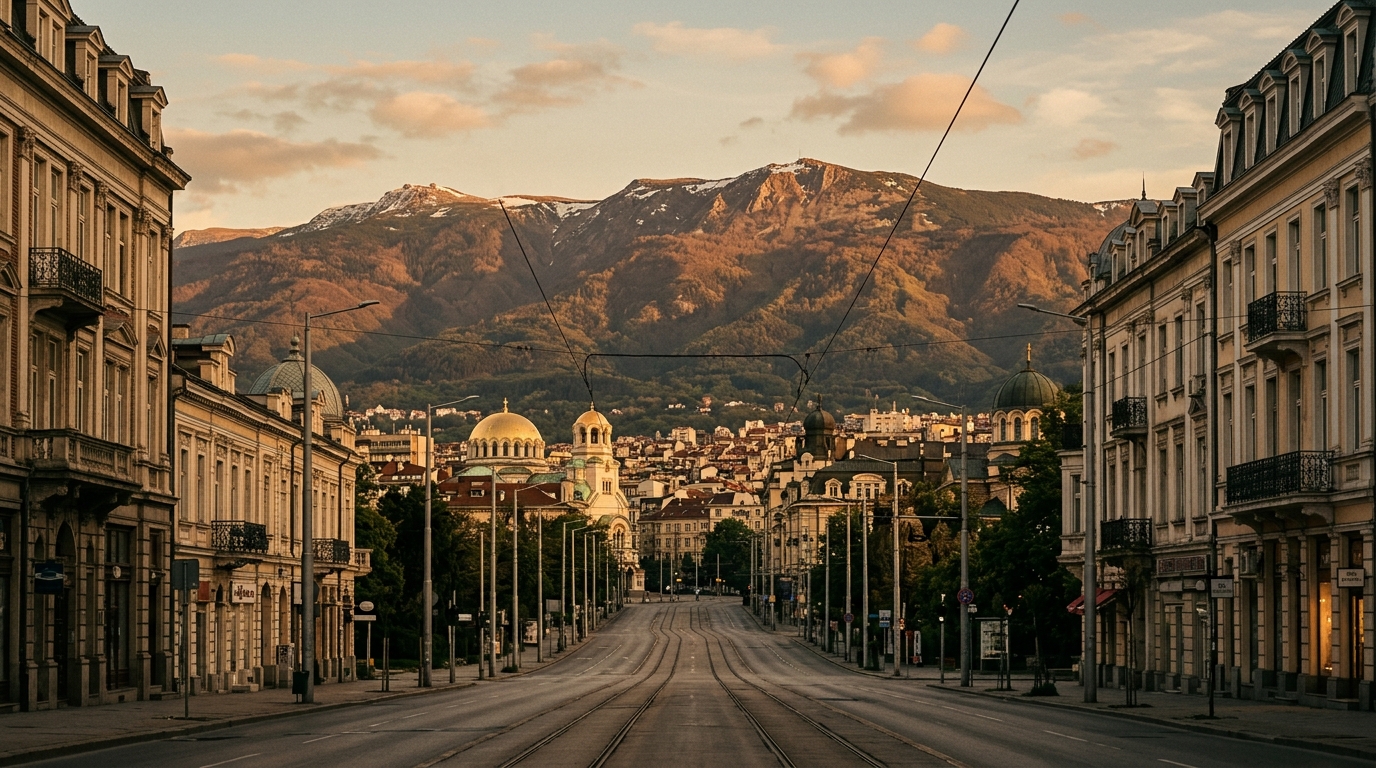
Bucharest’s position in southern Romania makes Bulgaria the most natural cross-border trip. Ruse, Bulgaria, is just 75 km south across the Danube. You cross the Giurgiu-Ruse Friendship Bridge — a 2.2 km combined road-rail bridge. The toll is about 6 EUR per car. Both countries are in the EU, so the border check exists but is quick (5-15 minutes). From Ruse, you can continue to Veliko Tarnovo (2 hours) or Sofia (3 hours).
Most agencies allow travel to Bulgaria without extra fees, though some require advance notification. The Rovinieta (Romanian road vignette) is not valid in Bulgaria — you will need a separate Bulgarian vignette (available at the border or online). Check if your rental car’s vignette coverage includes Bulgaria; most do not.
Moldova is technically reachable from Bucharest (450 km northeast) but many agencies restrict or ban travel there. The few that allow it charge a cross-border fee of 30-50 EUR. The drive is long and the roads deteriorate significantly past the Romanian border. Unless you have a specific reason to go, it is not a casual day trip.
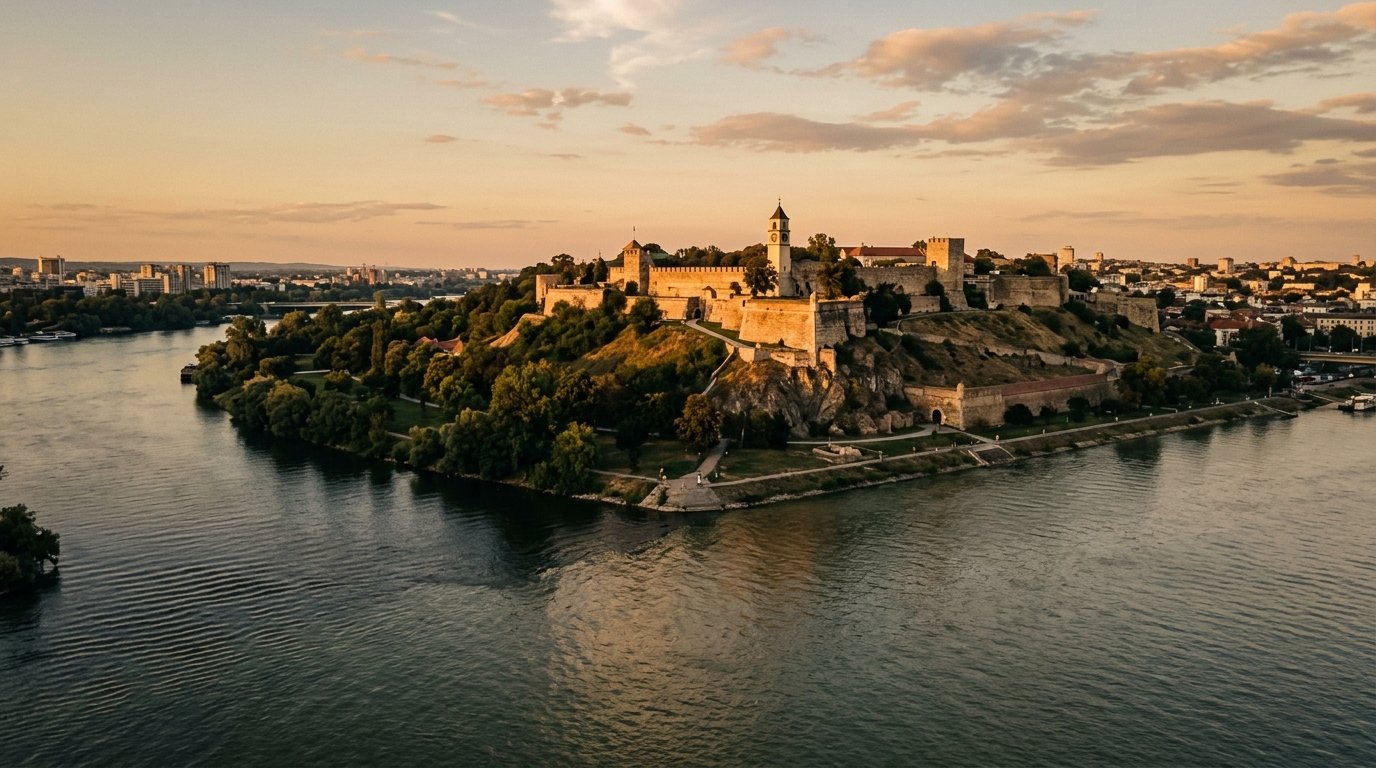
Serbia is about 5 hours west via Timisoara. If your itinerary includes Belgrade, a one-way rental from Bucharest to Timisoara (with a drop-off fee) plus a separate rental or bus to Belgrade can be more practical than trying to get cross-border permission for Serbia from a Bucharest agency.