Car Rental in Belgrade
Belgrade is where the Serbian rental market lives. The city accounts for the vast majority of car rentals in the country, largely because Nikola Tesla Airport is the only international airport with serious flight connections. You will find all the usual suspects — Europcar, Sixt, Enterprise — alongside a handful of local agencies that undercut them by 20-30 percent. The local operators tend to have older fleets but perfectly functional cars, and their insurance terms are often more straightforward. In the off-season, economy cars dip to 10-12 EUR per day, which puts Belgrade among the cheapest pickup cities in our entire coverage.
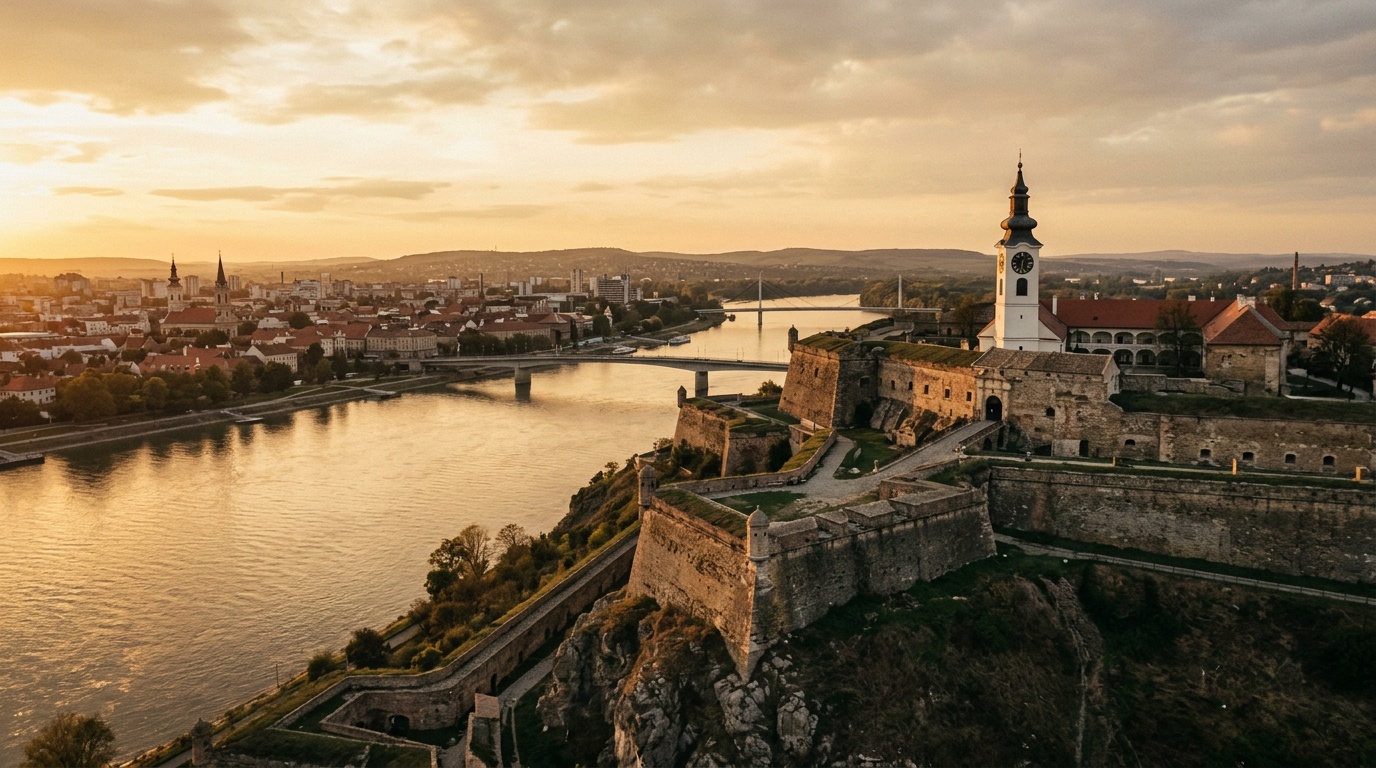
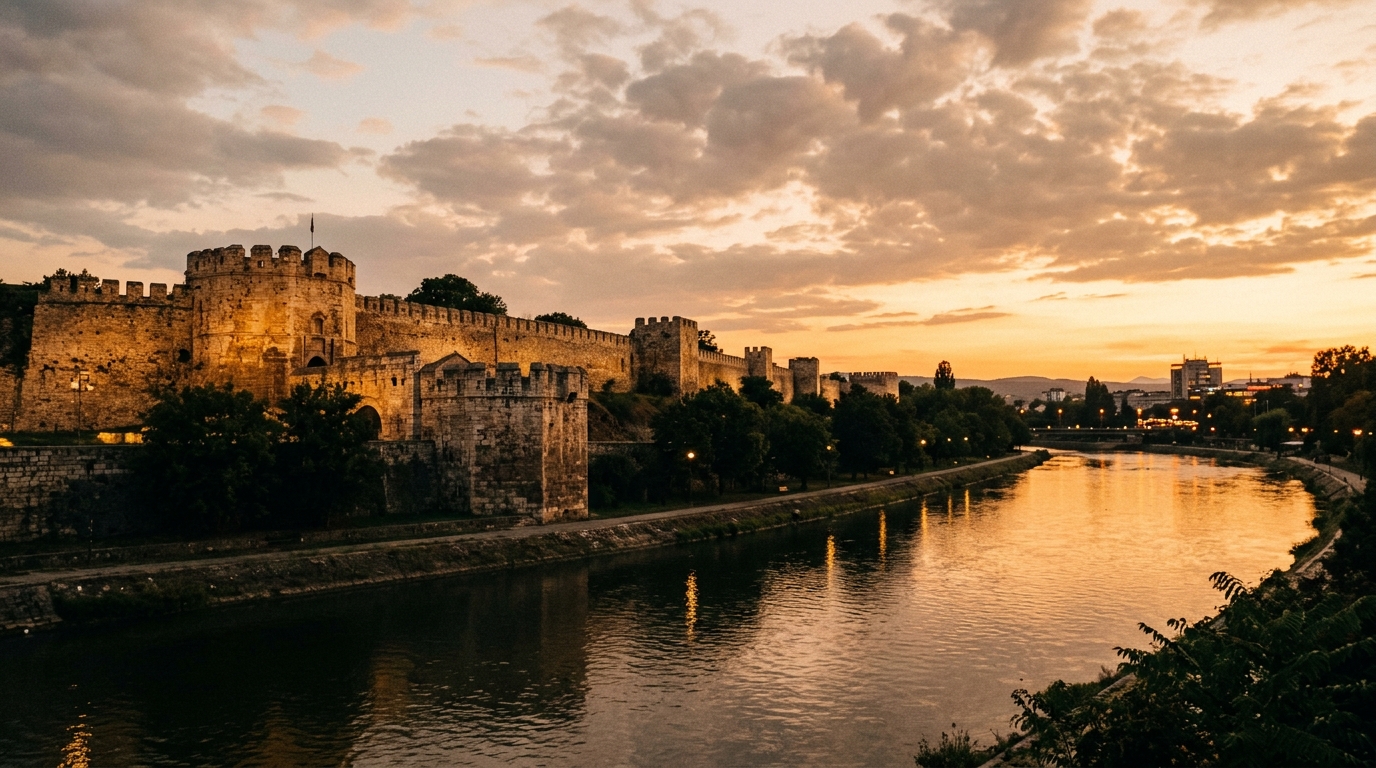
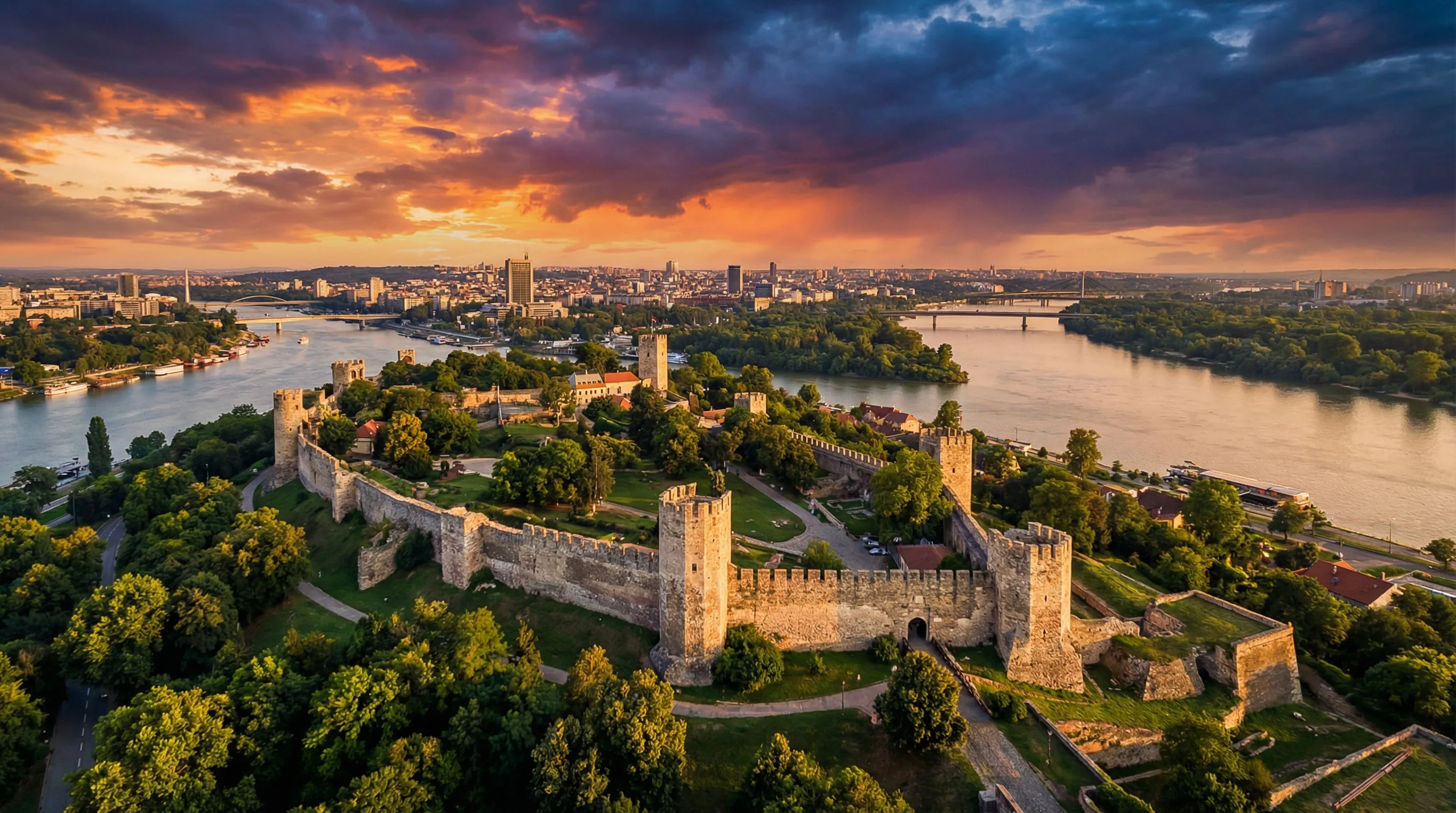
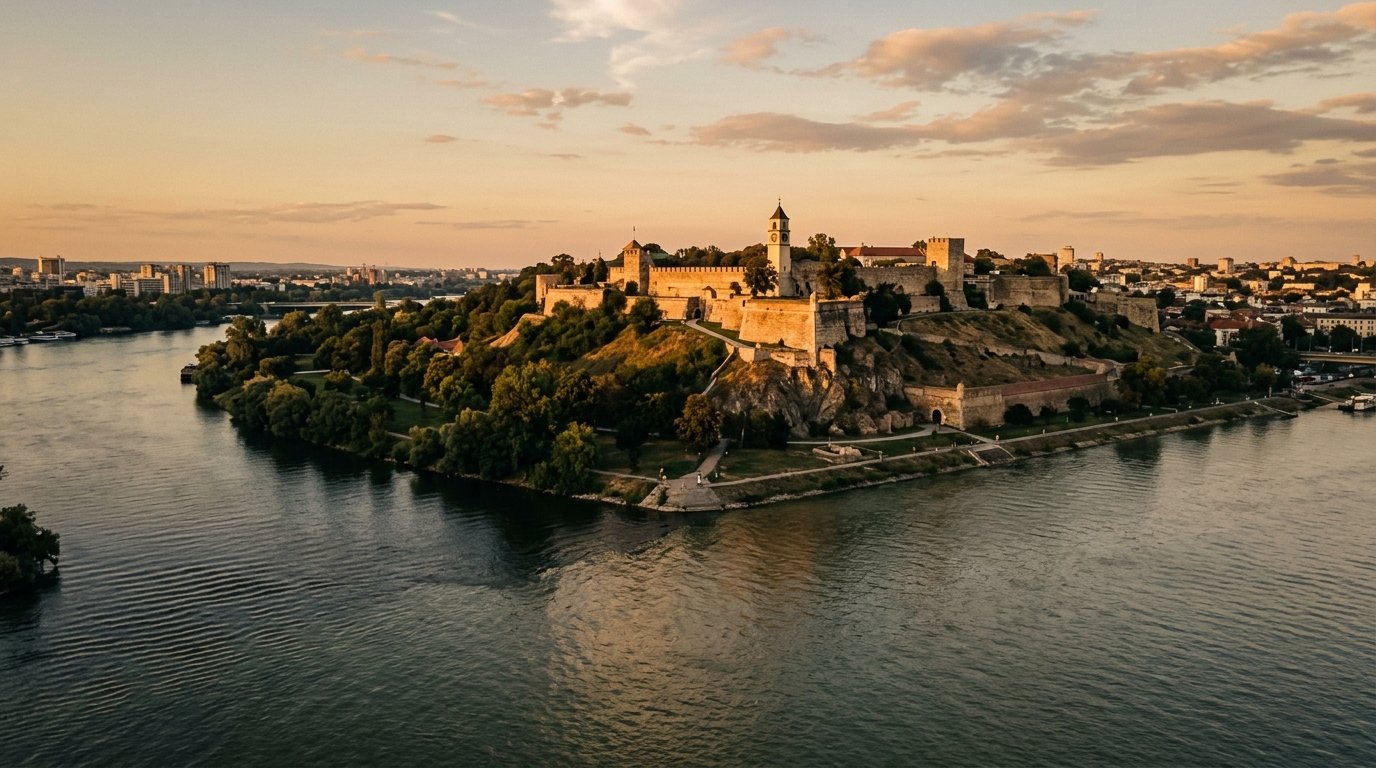
The city itself is not where you need the car. Belgrade’s center — the stretch from Kalemegdan Fortress down Knez Mihailova to Republic Square — is pedestrian-friendly and well-served by public transport. Driving in central Belgrade during rush hour is an exercise in patience that we do not recommend. The value of a Belgrade rental is what it gives you access to: the motorway network that fans out in every direction, the Danube and Sava river valleys, the monasteries of Fruska Gora, and the road south to Nis and beyond. Pick up at the airport or in New Belgrade, skip the city center traffic, and head out.
Driving tips
Belgrade traffic is dense, loud, and operates on its own informal rules. Lane markings are treated as decorative. Double parking is endemic. Trams have priority and their tracks will destroy your tires if you cross them at the wrong angle. If you must drive through the center, stay on the main boulevards — Bulevar Kralja Aleksandra, Kneza Milosa, Bulevar Despota Stefana — and avoid side streets in Dorcol and Vracar unless you enjoy three-point turns between parked cars.
New Belgrade is a different experience entirely. The grid layout, wide boulevards, and modern infrastructure make it easy to navigate. The E75 motorway on-ramp is right there. Most rental agencies in New Belgrade have offices along the main business corridor, and the parking situation is dramatically better than across the river.
Speed cameras are increasingly common on Belgrade’s approach roads and the motorway system. The E75 between Belgrade and Novi Sad has fixed cameras and occasional mobile radar. Speed fines start at about 25 EUR and escalate quickly — 50 km/h over the limit is a criminal offense. We have never been caught, but we have seen the flash go off behind us more than once. Stick to the posted limits, especially in the 80 km/h zones on the city outskirts.
One Belgrade-specific quirk: the toll booths. The Belgrade bypass (Obilaznica) is a ring road that connects the E75, E70, and E763 motorways around the city. Parts of it are tolled, parts are free. If you are driving from the airport to Novi Sad or heading south to Nis, you will hit a toll booth within 20 minutes. Keep a credit card or some Dinars handy — the toll amounts are small (2-5 EUR) but the queues can build up.
Parking
Parking in Belgrade follows a clear pattern: New Belgrade is easy, central Belgrade is a headache, and the old town near Kalemegdan is nearly impossible unless you arrive early in the morning. The city uses a color-coded zone system for street parking — red zones near the center allow only one hour, yellow zones two hours, green zones three hours. You pay by sending an SMS to a specific number, which works well once you have a local SIM card and poorly if you do not. Parking attendants are common and fines are about 15 EUR.
If you are staying in New Belgrade, the shopping mall garages (Usce, Delta City) offer all-day parking for 5-8 EUR. Some hotels include parking. On the old town side, the garage underneath Zeleni Venac market is one of the few covered options, and it fills up by mid-morning. Our advice: park in New Belgrade and use the bus or walk across one of the bridges. Belgrade’s center is walkable, and the time you save not circling for a spot is worth the 20-minute stroll across the Brankov Bridge.
Border crossings
Belgrade’s position makes it a natural hub for cross-border drives. The most popular route is north to Budapest — 380 km on the E75, all motorway, about 4 hours if the border cooperates. The Horgos crossing can be slow in summer, especially on Friday and Sunday evenings. We have waited 90 minutes there in July. The alternative crossing at Kelebija is smaller and sometimes faster, but the road to it is slower.
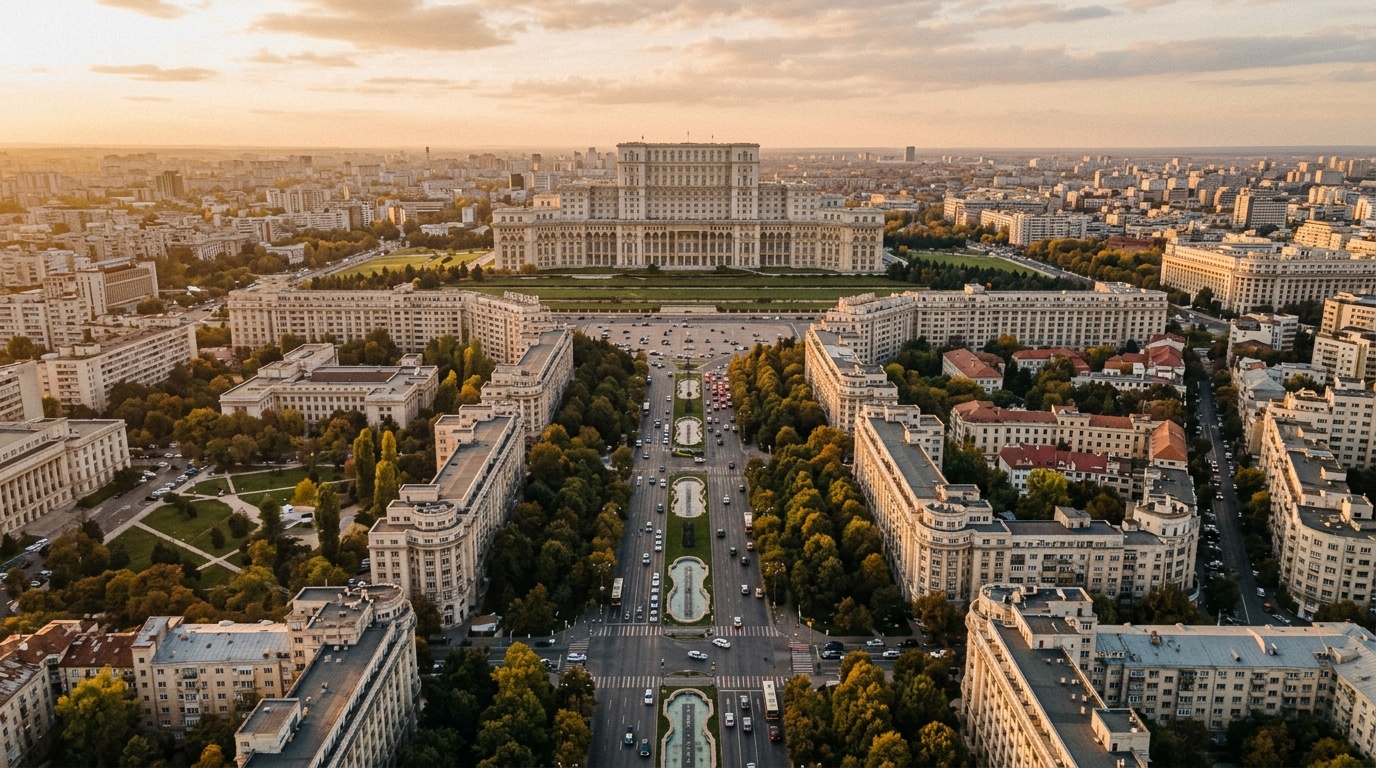
The Bucharest route heads east on the E70 through flat Vojvodina farmland, crosses the border near Vrsac, and continues through the Romanian plains. It is not the most exciting drive, but the road is fine and the border is usually quick — 20-30 minutes. The total is about 600 km, but the Romanian motorway from the border to Bucharest is still incomplete, so the last stretch is on a national road.
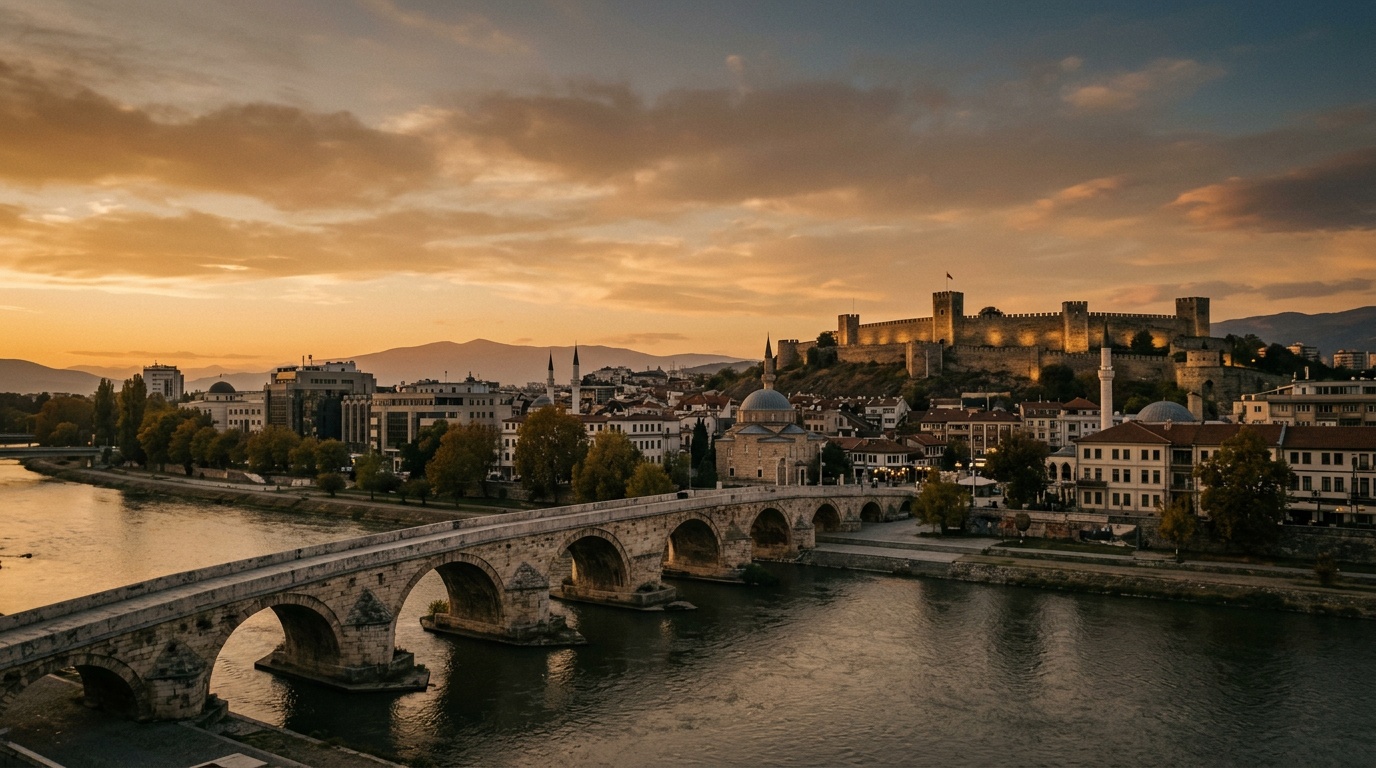
South to Skopje is the most scenic option. The E75 runs through the Morava valley, past Nis, and then through the narrow Presevo valley before crossing into North Macedonia. The border at Presevo/Tabanovce is small and usually fast. Total drive time is about 4 hours, and Nis makes a natural halfway stop. From Skopje, you can continue to Thessaloniki in another 2.5 hours, making Belgrade-Thessaloniki a feasible one-day drive of about 6.5 hours.
For all cross-border trips, confirm permission with your rental agency before departure. Most Belgrade agencies allow travel to neighboring countries with advance notice and a surcharge of 20-50 EUR per border. Croatia and Kosovo have additional restrictions that some agencies will not waive. Get it in writing.