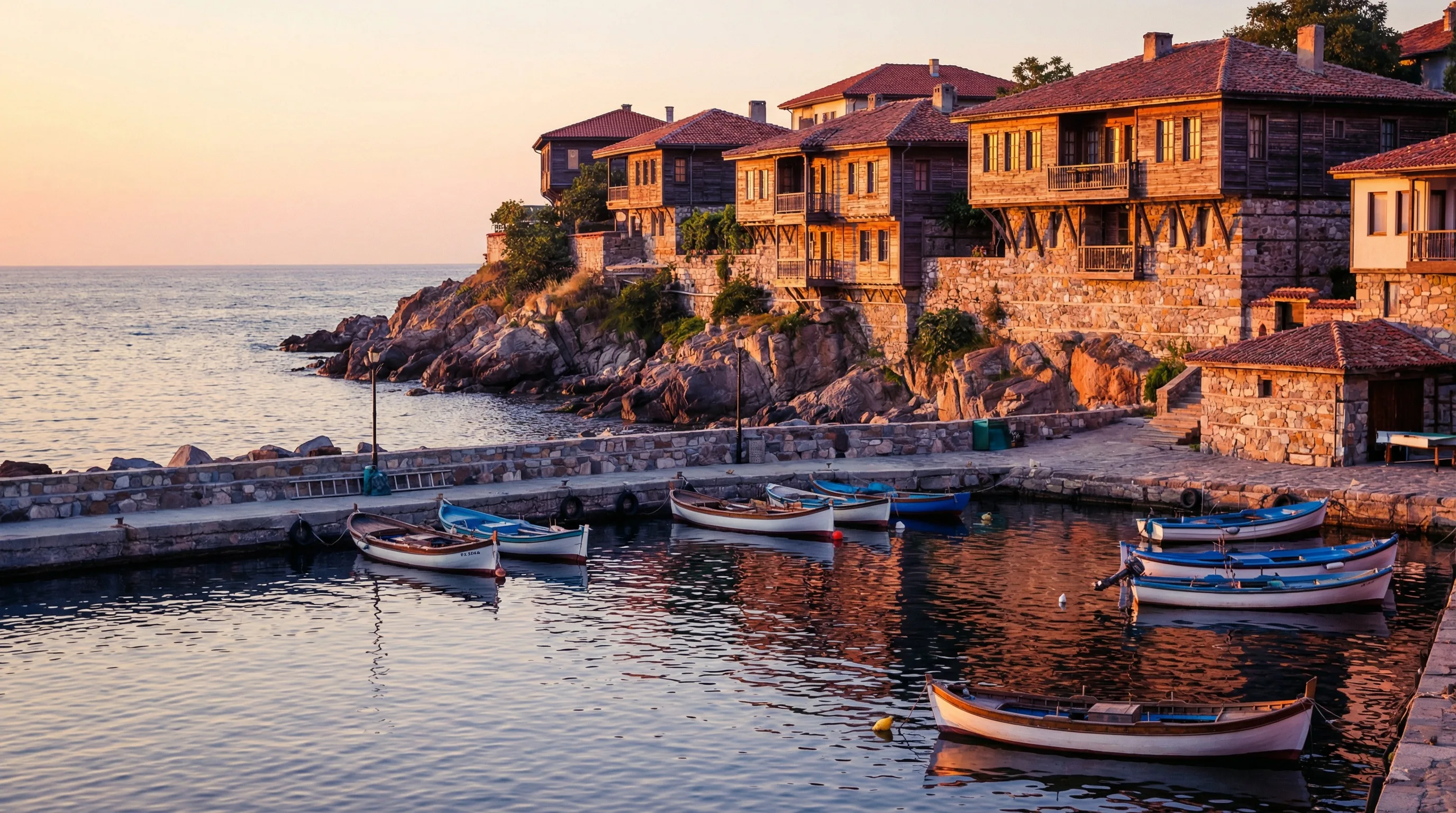
Overview
Sofia is where most Bulgaria road trips begin, and with good reason. The airport is small, efficient, and closer to the city center than most European capitals can claim — 10 km, 20 minutes, done. The rental market is competitive, which keeps prices genuinely low. We have picked up cars here multiple times and paid between 12 and 18 EUR/day for a decent Renault Clio or Skoda Fabia in shoulder season. That is hard to beat anywhere on the continent.
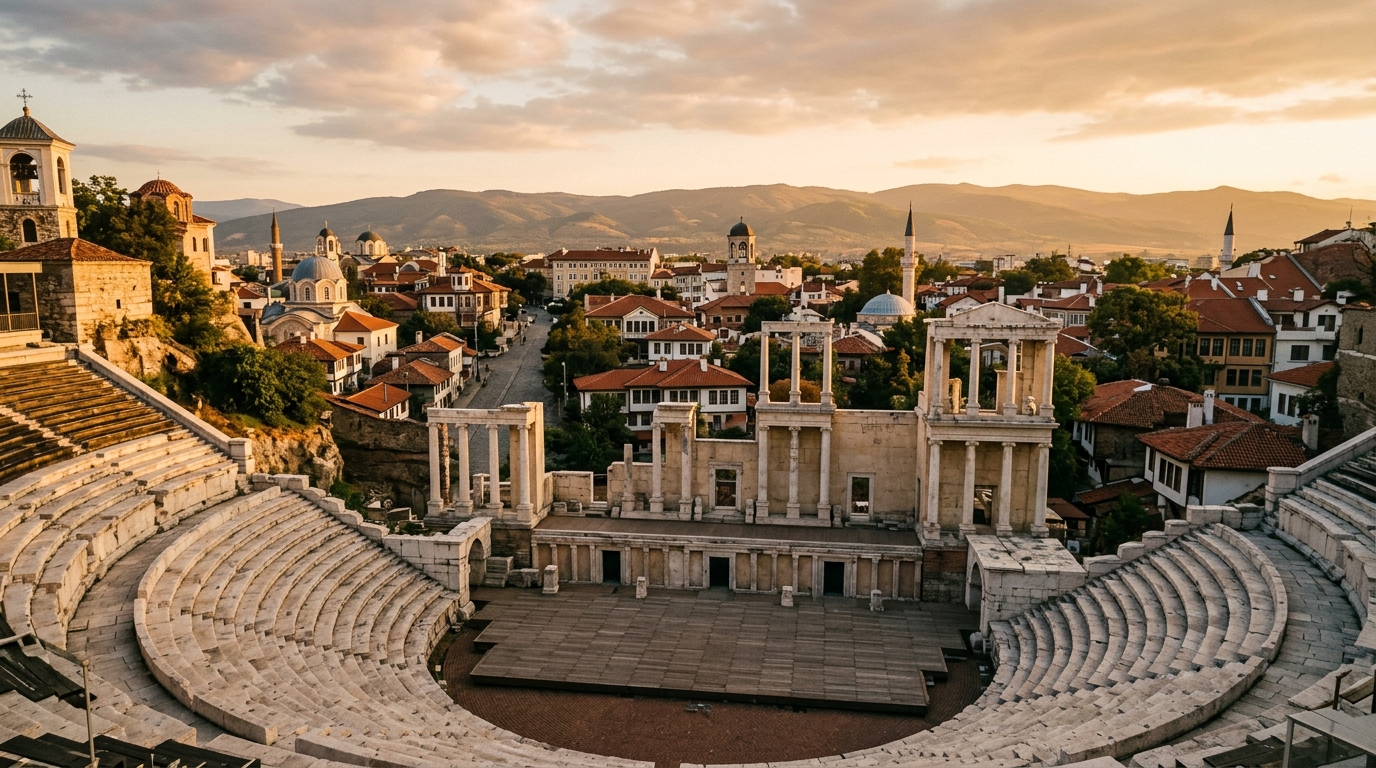
The city itself is not a place where you need a car. Central Sofia is walkable, the metro covers the main axes, and parking downtown is a minor headache. Where the car pays for itself is everything around Sofia. Rila Monastery — the single most impressive sight in Bulgaria — is 90 minutes south down a winding mountain road. Plovdiv is 90 minutes east on the Trakia motorway. Borovets ski resort is 70 minutes into the Rila range. The Koprivshtitsa revival town is a scenic 90-minute drive through rolling hills. Without a car, each of these becomes a full-day bus ordeal. With one, they are easy half-day trips.
The agency landscape splits between international chains (Sixt, Europcar, Enterprise) and local operators (Top Rent A Car, Uni Rent, AutoUnion). The locals tend to be cheaper by 20-30% and their fleets are decent, though not always as new. For cross-border travel, the internationals sometimes have clearer policies. If you are staying in Bulgaria, the locals are the smarter bet.
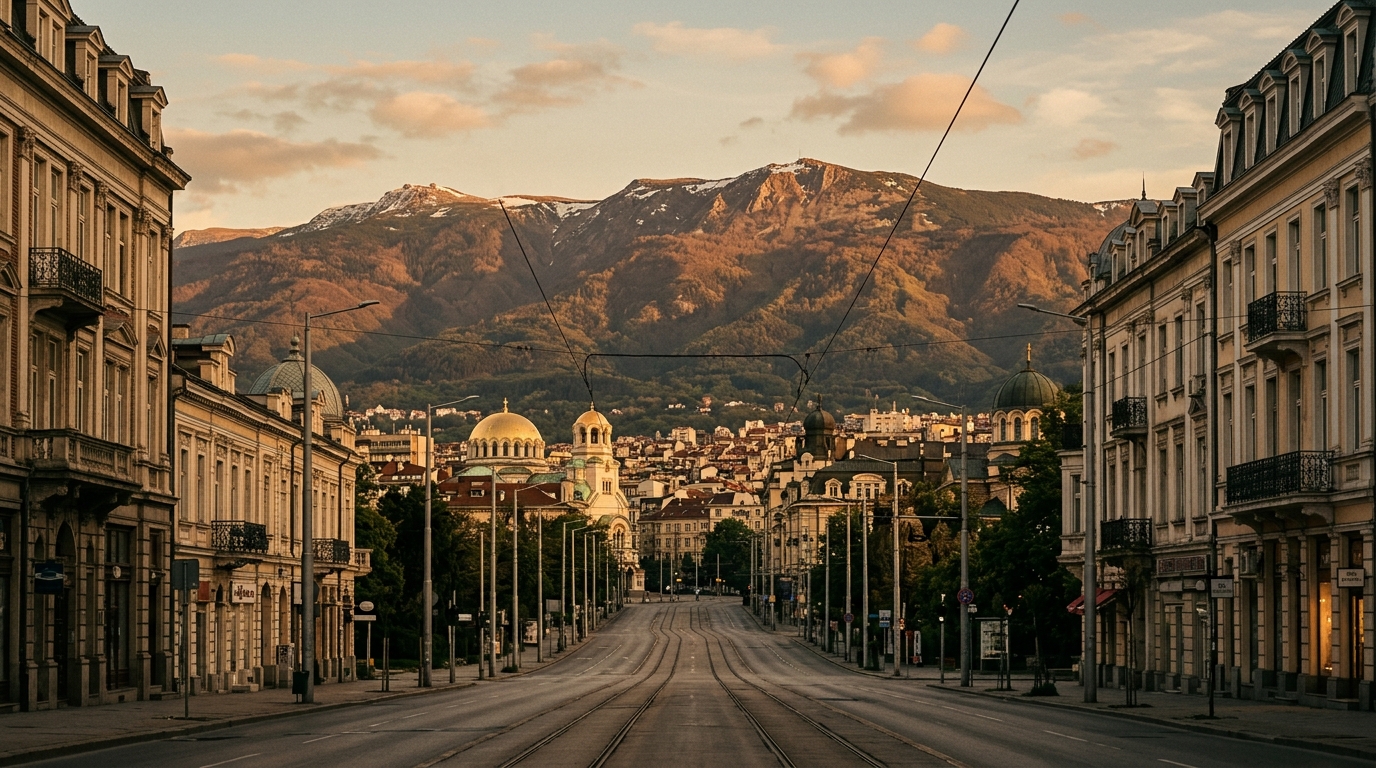
Driving tips
Sofia’s ring road carries heavy truck traffic and the lane discipline is approximate at best. Expect aggressive lane changes, especially during morning and evening rush hours. The good news: once you clear the city, traffic drops off dramatically.
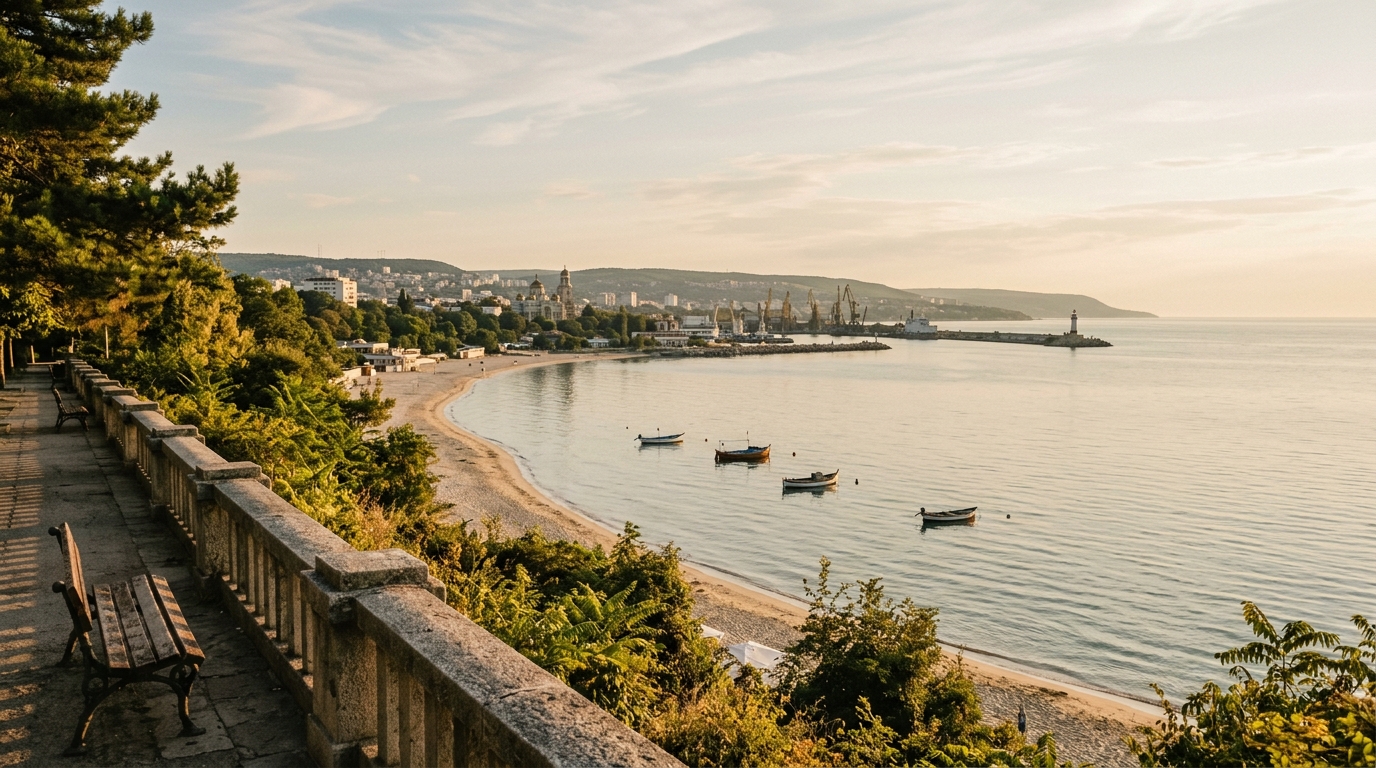
The Trakia motorway toward Plovdiv and Burgas is Bulgaria’s best road — smooth, wide, and well-signposted. The Struma motorway south toward Greece is nearly complete and in good condition for the finished sections. Hemus toward Varna is still a work in progress, with stretches reverting to the old E85 road. Allow extra time for this route.
Speed cameras are common on motorways, particularly near Sofia and Plovdiv. The limit is 140 km/h on motorways, 90 km/h on open roads, and 50 km/h in towns. Fines are modest by Western standards — around 25-50 EUR for 10-20 km/h over the limit — but the rental agency will add an administrative fee on top.
One thing we learned the hard way: headlights must be on at all times, day and night, year-round. This is a legal requirement, not a suggestion, and the fine for forgetting is about 25 EUR.
Parking
Central Sofia uses a color-coded parking zone system. The Blue Zone covers the innermost streets and costs 2 EUR/hour, enforced from 8:30 to 19:30 on weekdays. The Green Zone around it is slightly cheaper. Payment is by SMS (if you have a Bulgarian number), parking meter, or the ePay app. They do enforce this — wheel clamps are the standard penalty for overstaying.
If you are staying in Sofia for a few days, look for a hotel with included parking. Many of the mid-range places outside the immediate center offer free garage spots. The big shopping malls — Mall of Sofia, Paradise Center, Serdika Center — all have underground parking that is free or cheap with a purchase, and they are well-connected by metro.
Street parking outside the zones is generally free and available, especially in residential neighborhoods like Lozenets or Oborishte. Just watch for the occasional unmarked “no parking” zone near government buildings.
Border crossing
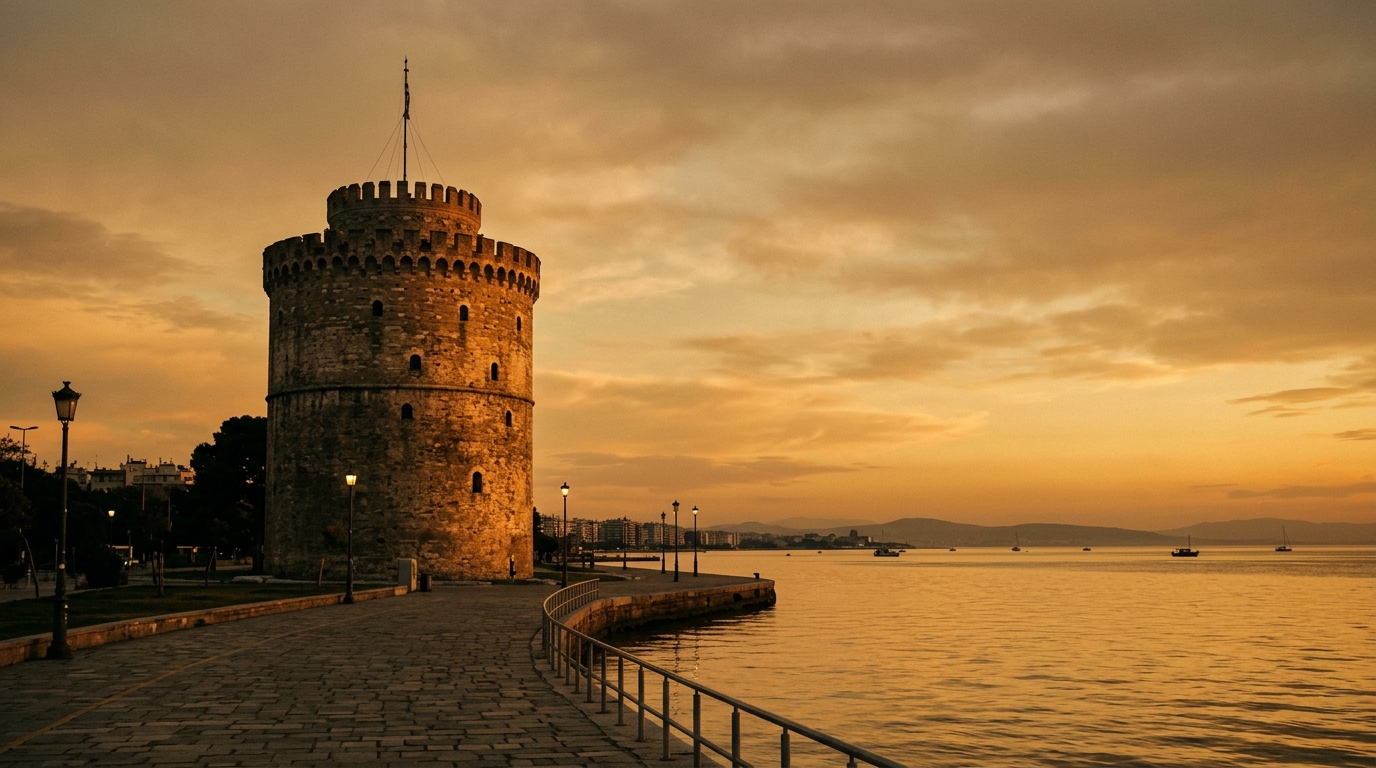
Sofia is well-positioned for cross-border trips. The most popular route is south to Thessaloniki, Greece — about 300 km via the Struma motorway through the Kresna Gorge. The border at Kulata-Promachonas is usually quick outside peak summer weekends. Most agencies charge a cross-border fee of 30-50 EUR for Greece, and you need to declare the crossing when booking.
North to Bucharest is equally straightforward. The Danube Bridge at Ruse-Giurgiu is the traditional route (about 6 EUR toll), though the newer Vidin-Calafat bridge in the west offers an alternative if you are coming from Sofia. Romania is generally allowed by most agencies without extra hassle, since both countries are in the EU.
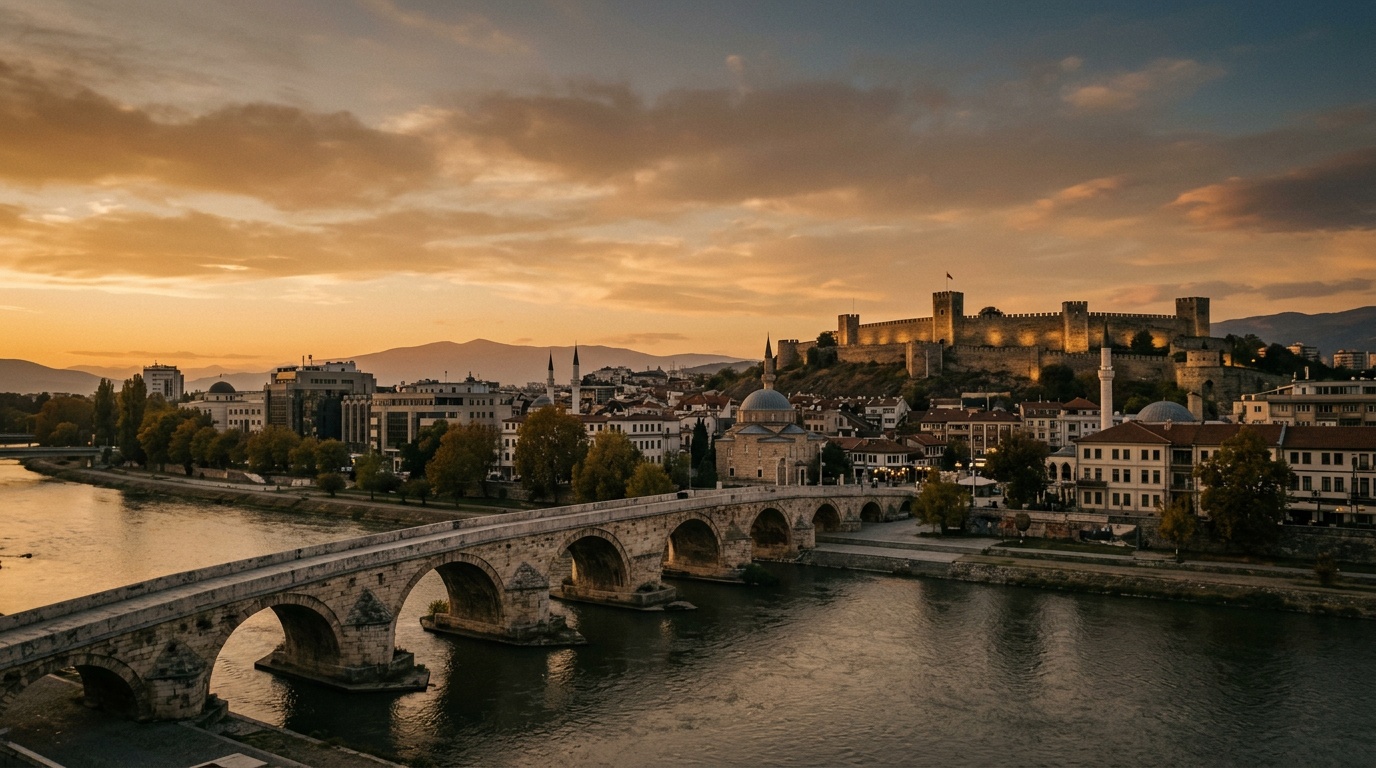
West to Skopje, North Macedonia, is a 3-hour drive via Kyustendil. The road is decent but not a motorway for much of the route. Not all agencies allow this crossing — check before you book if North Macedonia is on your itinerary.