Car Rental in Tirana
Tirana is where Albania’s rental market lives. The capital has more agencies, more vehicles, and lower prices than the rest of the country combined. If you are renting in Albania, you are almost certainly picking up in Tirana — either at the airport or in the city — and driving from here. The market has matured significantly over the past few years: international chains like Europcar and Sixt now operate alongside a growing number of local agencies, and the fleet quality has improved from “hopefully it starts” to genuinely decent vehicles from the last few model years.
Prices start around 15 EUR per day for an economy car in the shoulder season, dropping to 12 EUR in winter and rising to 22-35 EUR in peak summer. These are some of the lowest prices in the Balkans, though the gap with Turkey has narrowed. The local agencies are where the real savings are — operators like Speed Rent a Car and Albania Car Rentals regularly undercut the international chains by 20-30%. The trade-off is older vehicles and insurance terms that require more scrutiny. Some local agencies still accept cash deposits, which is unusual in the region and can be either a convenience or a red flag, depending on the agency.
Tirana works well as a base because Albania is compact. Durres is 35 km west (30 minutes on the A1 motorway). Berat — the UNESCO “city of a thousand windows” — is 120 km south (2 hours). Shkodra and Lake Shkodra are 100 km north (1.5 hours). Even the Albanian Riviera coast is reachable as a (long) day trip, though we recommend staying overnight. The motorway network is limited but the A1 to Durres and the A2 toward Fier are modern and fast. Beyond those corridors, the road character changes significantly — which is where both the challenge and the charm of driving in Albania begin.
Driving tips
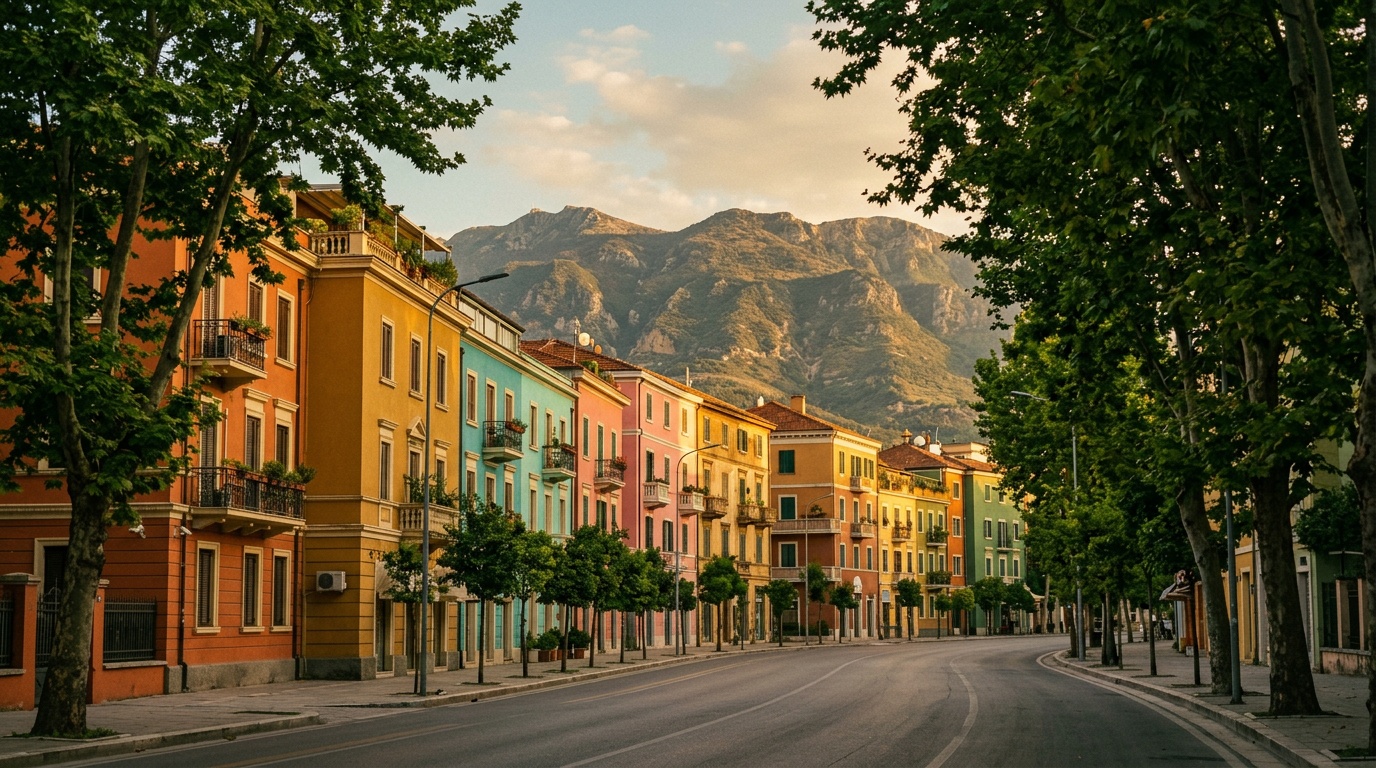
Tirana traffic is an experience. The city has grown faster than its road infrastructure, and the result is creative congestion. Lane discipline is optional. Roundabouts operate on a first-in, fastest-wins basis. Motorcycles and pedestrians appear from unexpected angles. The ring road (Unaza e Re) is the main bypass and functions reasonably well, but any route through the center during commute hours (7:30-9:30am, 4:30-7pm) will test your patience. The good news: Tirana is small enough that you can cross it in 20 minutes outside peak hours.
Speed cameras are increasingly common in Albania, particularly on the A1 motorway and on approach roads to major cities. Inside Tirana, the limit is 40 km/h (not 50), and police with handheld radar are active on the main boulevards. On open roads outside the city, the limit is 80 km/h, rising to 110 on the motorway. Albanian police stop foreign-registered vehicles regularly — keep your documents (license, passport, rental contract, insurance green card) easily accessible.
The real driving challenge in Albania is outside the cities, on the secondary roads. GPS navigation can be unreliable — Google Maps routing sometimes suggests roads that are technically roads but practically goat tracks. We have been routed down a “shortcut” near Berat that involved fording a shallow river in a rented Volkswagen Polo. When in doubt, stick to the main highways and numbered routes (SH4, SH8, etc.), even if the navigation app shows a shorter option.
Fuel stations are abundant in and around Tirana but thin out in rural areas. Kastrati and EuroMax are the most reliable brands. Fill up before heading into the mountains or toward the coast south of Vlora. Fuel costs around 1.45-1.55 EUR per liter, which is close to the European average.
Parking
Parking in Tirana is easier than in most European capitals, largely because it is less regulated. The underground garage beneath Skanderbeg Square is the most central option at 1-2 EUR per hour. The Blloku neighborhood — Tirana’s cafe and nightlife district — has free street parking on most side streets, though it gets congested in the evenings and towing has become more common.
Mall parking is the practical fallback. Tirana East Gate (TEG) and Citypark have free parking and are connected to the center by bus. For the airport, parking at TIA costs about 5-8 EUR per day in the long-term lot, which is directly adjacent to the terminal.
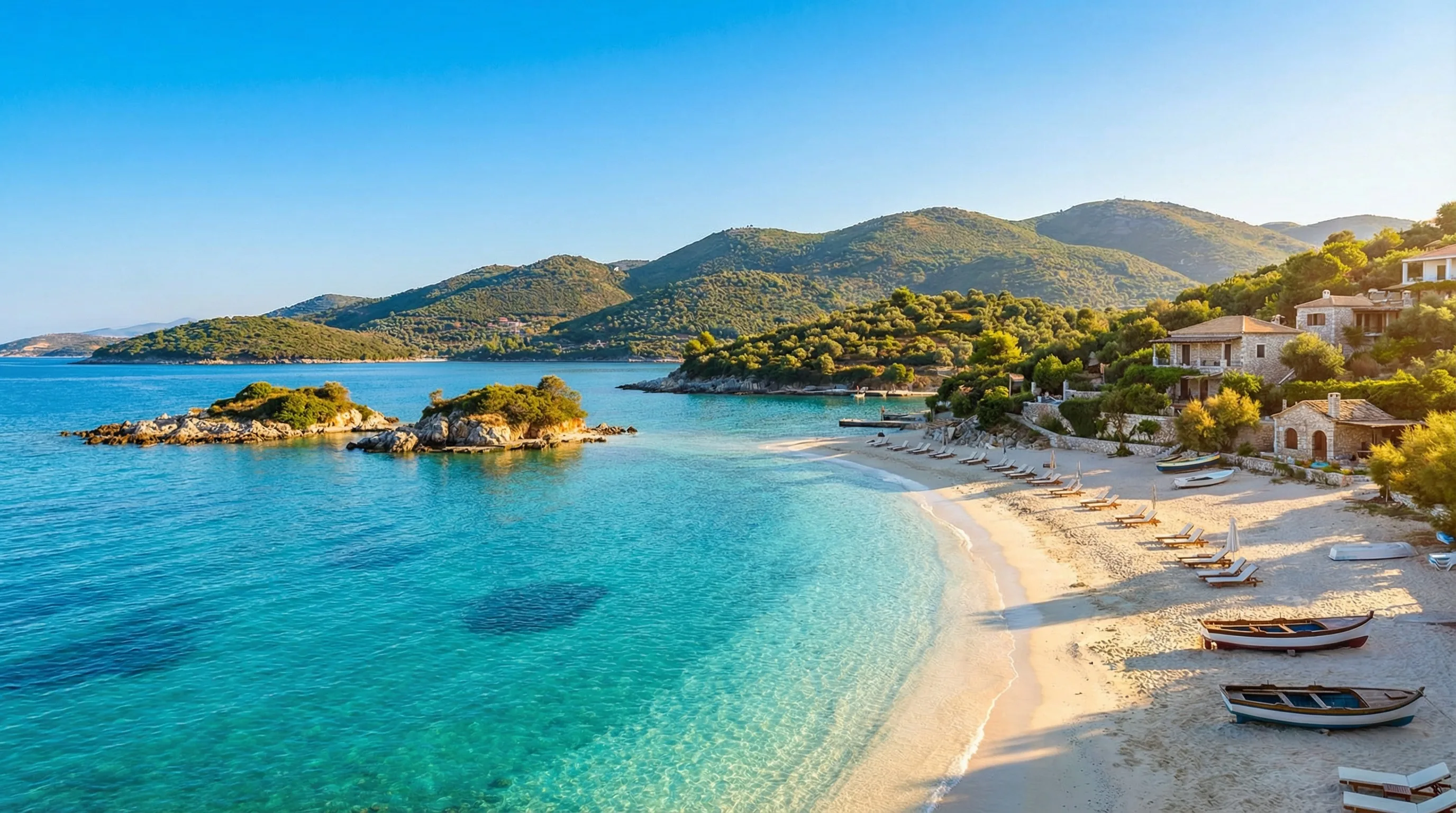
In the rest of Albania, parking is rarely a problem except at peak-season beach destinations. Albanian cities are small, and paid parking is still the exception rather than the rule. Berat and Gjirokastra have small lots near the old town entrances. Shkodra has free parking near the lake promenade. The headache only starts when you reach the coast in summer.
Border crossing
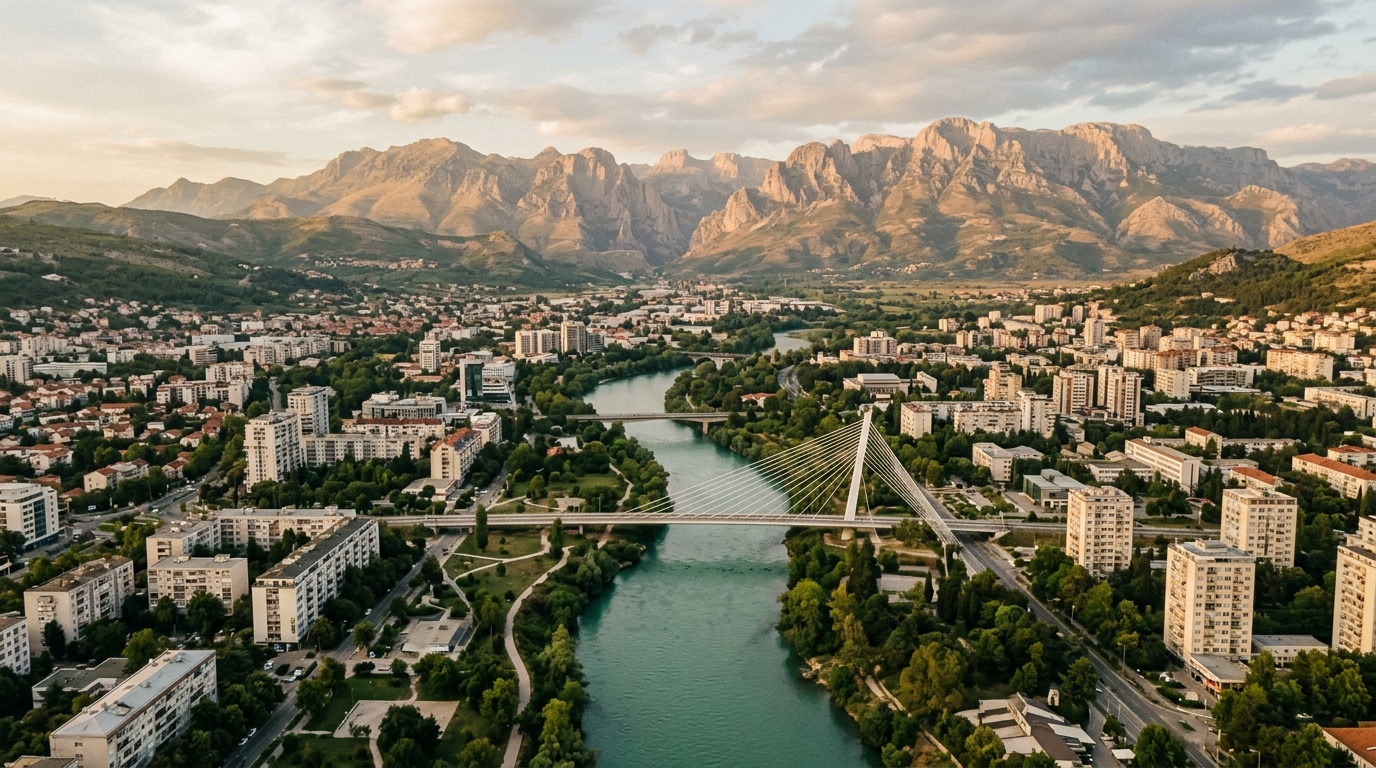
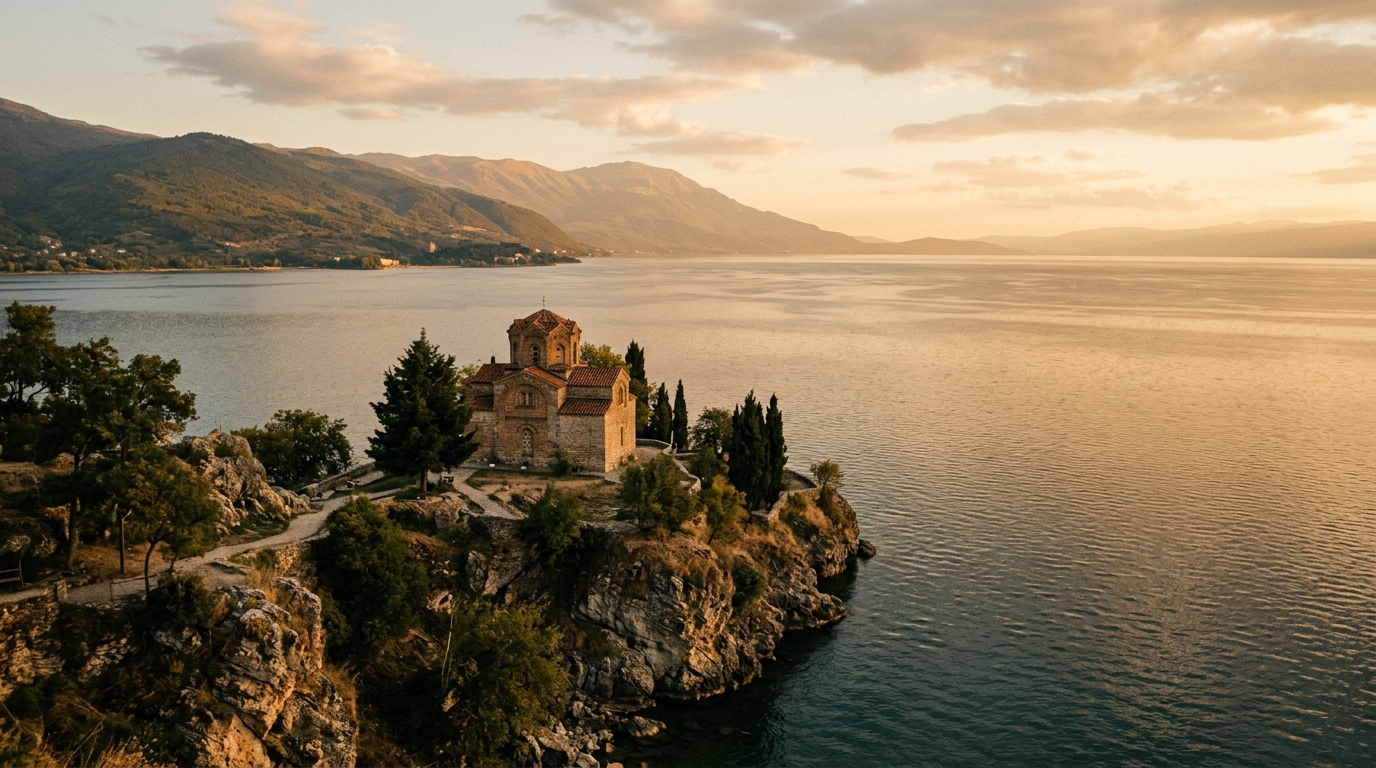
Tirana’s central location makes it a natural hub for cross-border trips. Montenegro (Podgorica, 2.5 hours), North Macedonia (Ohrid, 2.5 hours), Greece (Ioannina, 4 hours), and Kosovo (Pristina, 3 hours) are all within comfortable driving distance.
Most agencies allow cross-border travel with advance notice. The fee is typically 20-50 EUR depending on the destination and the agency. The Hani i Hotit crossing to Montenegro is the most common for tourists — the road from Shkodra to the border is decent, and the crossing itself is straightforward. The Lin crossing to North Macedonia, near Lake Ohrid, is scenic and rarely has long waits. The Kakavija crossing to Greece, south of Gjirokastra, is the busiest — summer weekends can mean 30-60 minute waits on the Albanian side.
The Kosovo question is the one to watch. Some Albanian agencies restrict cross-border travel to Kosovo, either due to insurance complications or political considerations. If Kosovo is in your plans, confirm this specifically at booking time — not at the pickup desk. International chains are generally more accommodating than local agencies on this point.
One practical note: Albanian and Montenegrin insurance green cards are mutually recognized, as are Albanian and Greek. But carry the physical document — border guards check it every time, and a digital copy on your phone will not satisfy them.