Car Rental in Limassol
Overview
Limassol is the largest city in Cyprus that does not have its own airport, which makes the rental situation slightly different from Larnaca or Paphos. You will either pick up a car at one of those airports and drive to Limassol (70 km from Larnaca, 65 km from Paphos – about 45 minutes to an hour either way), or you will use one of the city-based agencies that operate in Limassol itself. Many of these local agencies offer free hotel delivery, which is the smoothest option: you fly in, take a taxi or bus to your hotel, and the car is waiting for you the next morning.
Geographically, Limassol is the best-positioned base for exploring the entire island. It sits at the midpoint of the southern coast, with Larnaca and Ayia Napa to the east, Paphos and Akamas to the west, and the Troodos Mountains directly to the north. The motorway connects you to both airports in under an hour. The mountain road to Platres and the Troodos summit takes about 45 minutes. You can reach any point of interest in southern Cyprus within 90 minutes from Limassol, which is a strong argument for basing yourself here even if the airport pickup is less convenient.
Pricing in Limassol runs slightly higher than Paphos but in line with Larnaca. Economy cars start at 12-18 EUR per day in winter and reach 28-45 EUR in peak summer. The city-based agencies tend to be competitive because they are fighting for customers who could just as easily pick up at the airport. Hotel delivery sweetens the deal – it is usually free, and some agencies include extras like GPS or an additional driver to win your booking.
Driving tips
The A1 motorway runs along the coast through Limassol, connecting Larnaca to the east with Paphos to the west. In the Limassol stretch, it carries heavy traffic – this is not the quiet island driving you might expect. Morning and evening rush hours (7:30-9 AM, 4:30-6:30 PM) bring genuine congestion, particularly around the Limassol exits and the interchange near the Yermasoyia tourist area. Outside these hours, traffic flows normally.
The Limassol motorway has a reputation among locals as the most aggressive stretch of road on the island. Tailgating, sudden lane changes, and creative interpretations of the speed limit are common. The speed cameras along this stretch (fixed cameras at several points, plus occasional mobile units) exist precisely because of this reputation. Drive defensively, keep to the left lane (remember, left-hand traffic) unless overtaking, and do not be surprised by drivers who flash their lights to push you over.
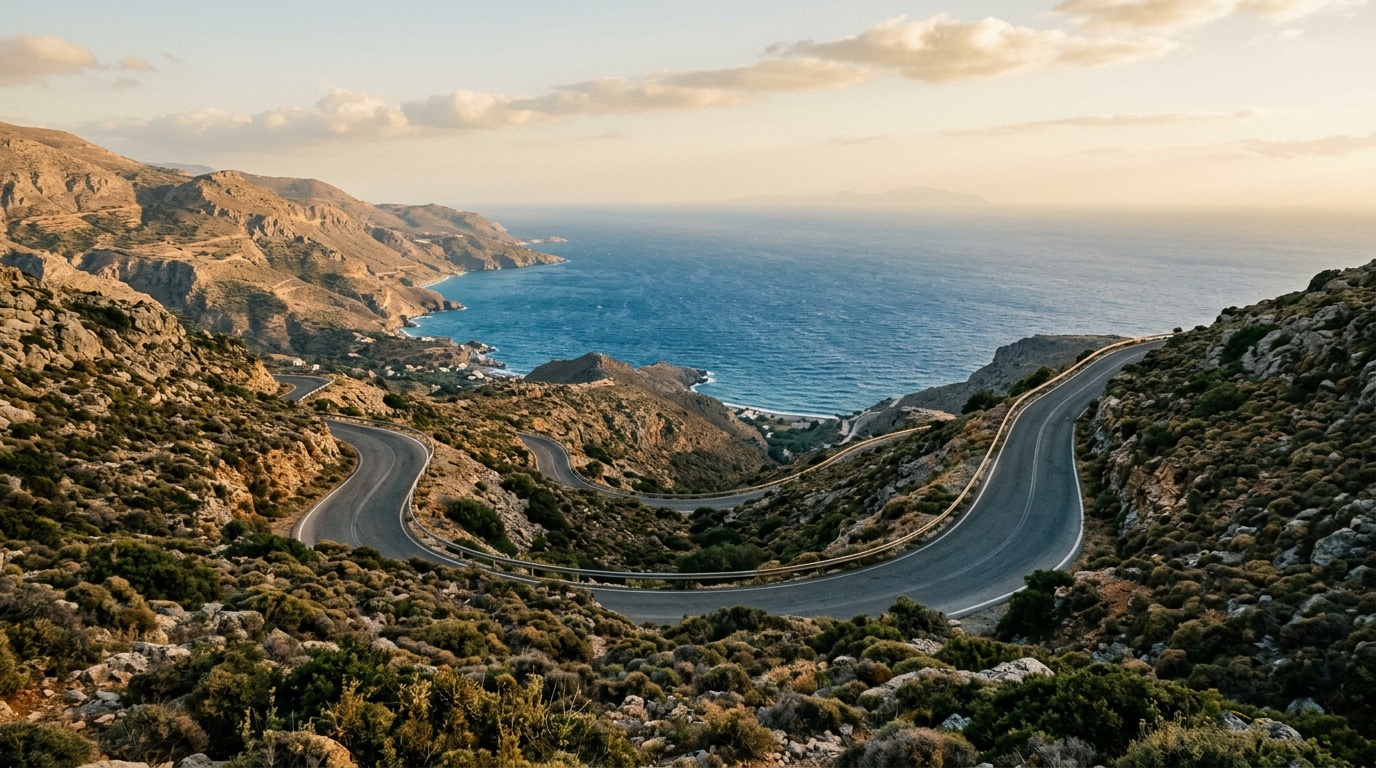
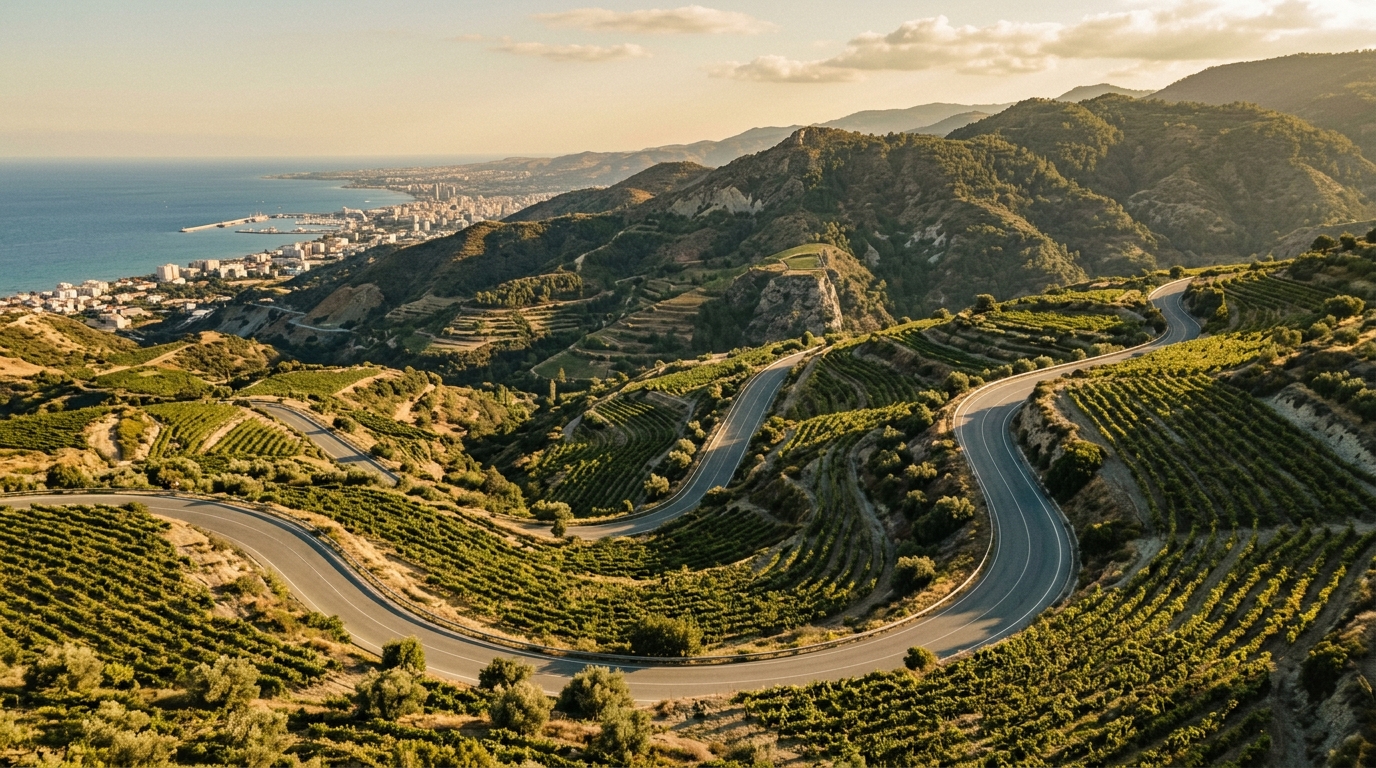
The road north from Limassol into the Troodos Mountains is the B8, which climbs from sea level to 1,500 meters in about 30 km. The road to Platres – a mountain resort village that was the summer retreat of the colonial British administration – winds through terraced vineyards and dense cedar forests. The surface is good, but the gradient is steep and the curves are tight. Use lower gears on the descent; riding the brakes for 30 minutes of switchbacks will overheat them.
The wine villages of the Commandaria region (Koilani, Vouni, Lofou, Omodos) are scattered across the lower Troodos slopes, about 30-45 minutes north of Limassol. These villages produce Commandaria wine, which has a legitimate claim to being the oldest named wine in the world – the Crusaders named it in the twelfth century and it has been made continuously since. The roads between villages are narrow but paved, and the scenery of vineyards and stone houses is the best reason to have a car in Limassol.
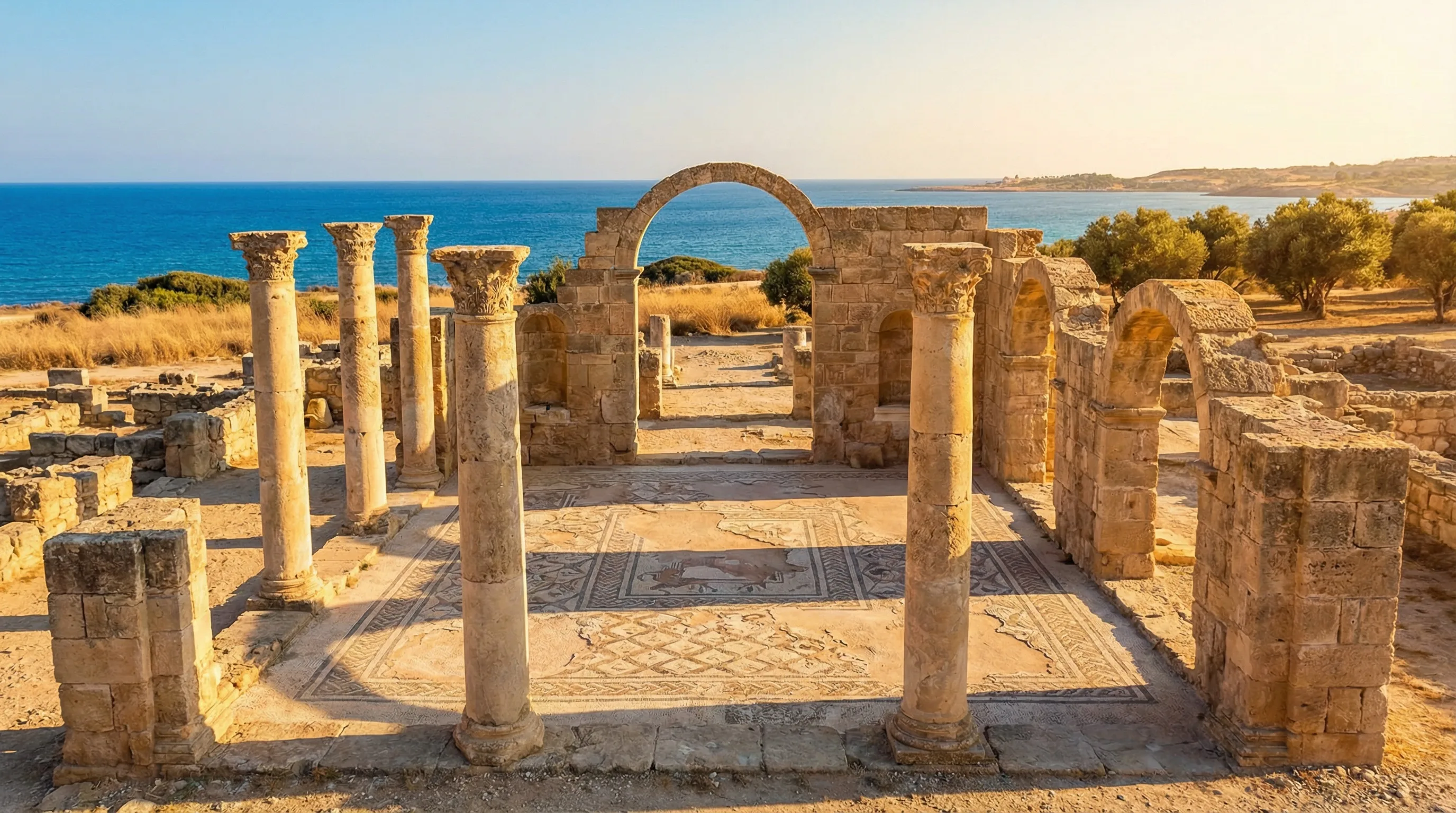
East of Limassol, the ancient city of Kourion sits on a clifftop 15 km west of the city, with a Greco-Roman amphitheater overlooking the sea. The access road from the motorway is well-signed. Further west, the Kolossi Castle and the ruins of Amathus are both roadside stops that work well combined into a half-day coastal drive.
A note on left-hand driving in Limassol specifically: the city has more multi-lane roundabouts and complex intersections than the other Cypriot cities, and the traffic moves faster. If you are new to left-hand driving, Limassol is the hardest place on the island to learn. The motorway interchange near the tourist strip (the A1/A6 junction) requires lane discipline in left-hand-traffic configuration, and the approach from the Troodos Mountains brings you onto the motorway at speed. If you can handle Limassol, the rest of Cyprus is easy by comparison.
The road to Nicosia from Limassol (the A1, 85 km, about 50 minutes) is the busiest motorway segment on the island, carrying commuter traffic between the two largest cities. It is well-maintained and straightforward, but the speed and volume are higher than anything else you will encounter in Cyprus. Stay alert, especially on Friday afternoons when half of Nicosia decamps to the coast for the weekend.
Parking
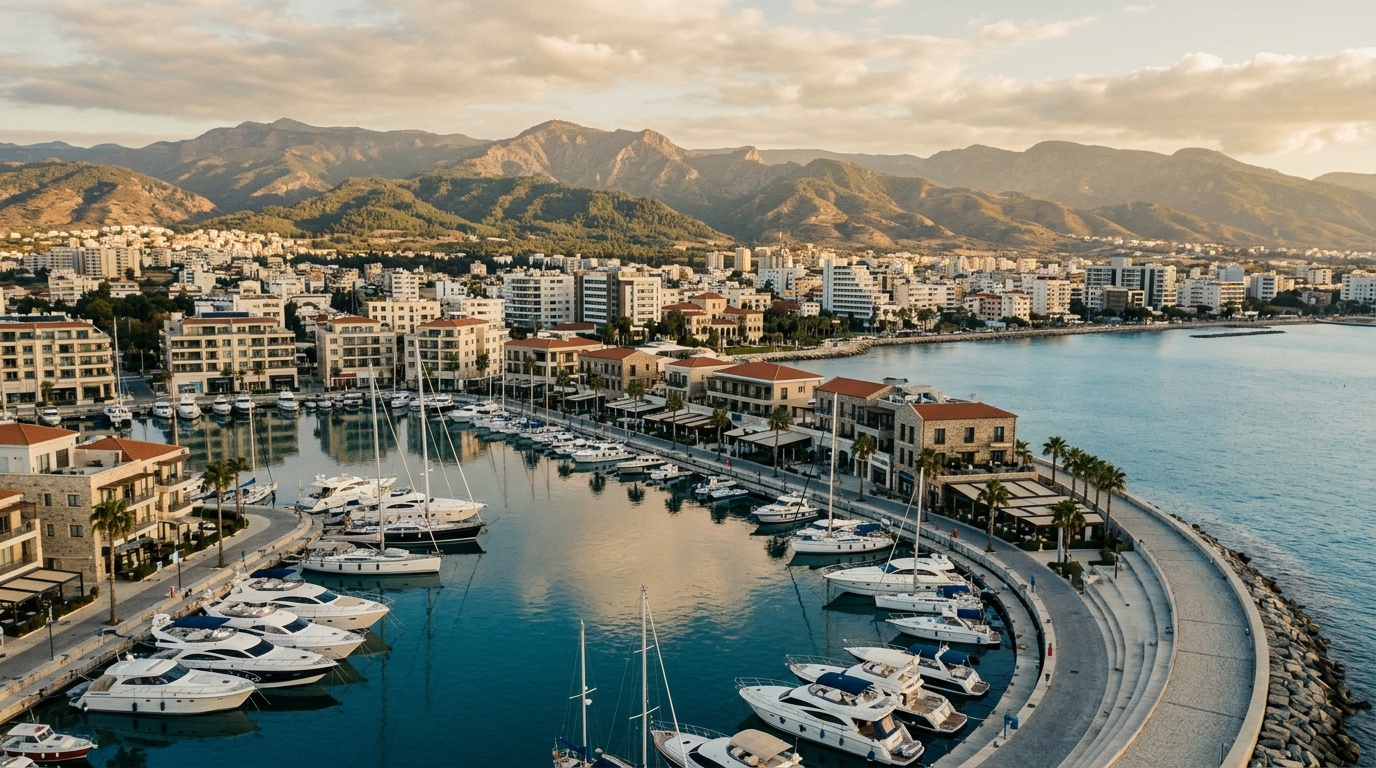
Parking in Limassol is manageable but requires some patience in the city center. The old town area around the castle and the covered market has metered street parking at about 1 EUR per hour. Spaces are limited and competition is real on weekday mornings, when local shoppers and office workers take most of the spots. The trick is to come after 2 PM, when the first wave clears out, or park at the new marina garage (2 EUR per hour) and walk 10 minutes to the old town.
The tourist beach strip in Germasogeia (east of the city center) has metered parking along the hotel-lined coastal road. Rates are 0.50-1 EUR per hour, and availability is decent outside peak summer weekends. Most hotels in this area provide parking for guests, so you should not need to fight for a spot if you are staying there.
For shopping or practical errands, the My Mall area east of the center has a large free parking lot. It is not useful for sightseeing, but it is the realistic option if you need to stop in Limassol for supplies on a longer drive.
The Limassol Marina area has an underground garage at 2 EUR per hour. It is pricier than street parking but guaranteed available and convenient for the restaurants, shops, and waterfront promenade in the marina complex. Worth it for a relaxed evening out without the parking hunt.
Day trips from Limassol
Limassol’s central position makes it the strongest base for multi-day island exploration. The Kourion archaeological site and its beachside amphitheater are 15 km west and deserve a morning visit. The Commandaria wine villages (Koilani, Lofou, Omodos) are 30-45 minutes into the Troodos foothills and make a superb afternoon circuit – three or four villages, a couple of wine tastings, a long lunch in a courtyard restaurant, and back to Limassol for dinner.
The Troodos summit area (Platres, Kakopetria, Troodos village) is about an hour’s drive and works as either a day trip or an overnight excursion. The temperature drops 10-15 degrees Celsius from the coast to the summit, making it a genuine refuge from the August heat. The Caledonia waterfall trail near Platres is a shaded 3 km hike through a cedar forest – one of the best short walks on the island, and impossible to reach without a car.
Paphos is 65 km west (45 minutes), Larnaca is 70 km east (45 minutes), and Nicosia is 85 km north (50 minutes). All three are comfortable day-trip distances, which means that from a Limassol base you can visit every major city on the island and sleep in the same bed each night. For a one-week trip, this is the most efficient setup: rent a car for the full week, park it at your hotel each evening, and drive to a different corner of the island each morning.