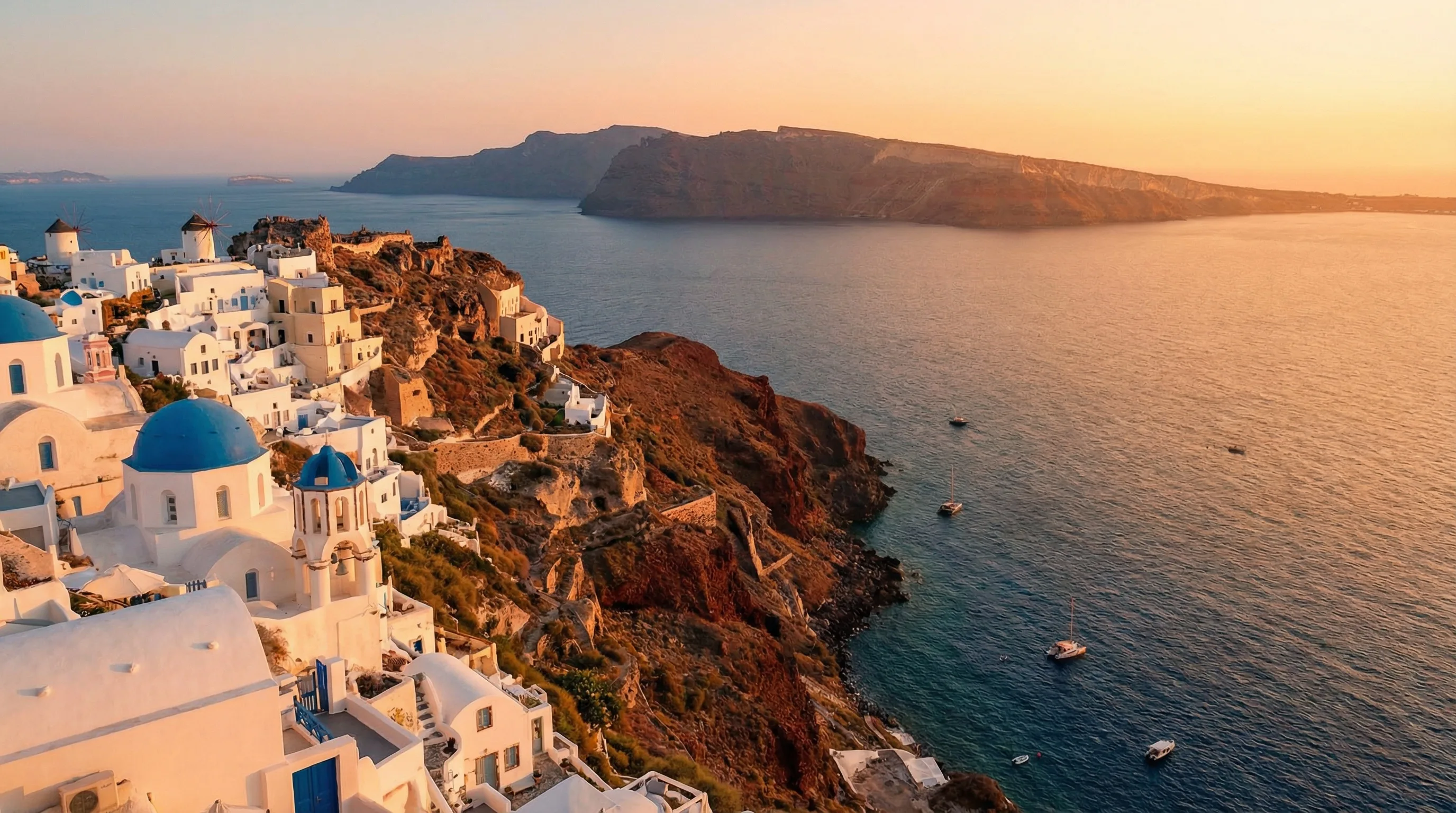
Overview
Crete is not a typical Greek island. It is 260 km long, has a proper highway along the north coast, mountain ranges that top 2,400 meters, and gorges, beaches, and Minoan ruins scattered across a landscape that takes days to explore properly. A rental car is not a luxury here — it is basically a necessity unless you plan to spend your entire trip at a resort pool. And the rental market in Heraklion, Crete’s capital, reflects that: it is competitive, well-established, and geared toward visitors who want to explore.
Heraklion Airport (HER) is the main gateway, handling an enormous volume of charter and scheduled flights in summer. The rental car operation is efficient — desks in the terminal, a dedicated car park outside — and the selection is broad. Both international chains and Cretan specialists (Autocandia, Heraklion Car Rental, Eurodriver) compete for your business. Prices start around 20 EUR/day in shoulder season for a small Fiat or Hyundai, jumping to 35-60 EUR in peak summer. Automatic transmission is in high demand and limited supply — book this early or resign yourself to manual.
We have driven Crete end to end from Heraklion, and the car transformed the trip. Knossos is 15 minutes south. The Lasithi Plateau is an hour east. Elafonisi Beach — that pink-sand lagoon you see on Instagram — is 3.5 hours west along the scenic north coast highway and then south through the mountains. Samaria Gorge is a 2.5-hour drive to the start of the trail. The south coast, with its remote beaches and tiny fishing villages, is on the other side of a mountain range that the bus barely serves. All of this is car territory.
Driving tips
The north coast highway (BOAK / E75) is Crete’s main artery — a proper divided highway from Kissamos in the west to Sitia in the east, passing through Heraklion. It is well-maintained, reasonably fast, and the backbone of any Cretan road trip. The speed limit is 90-130 km/h depending on the section, and speed cameras are present, especially near Heraklion and Rethymno.
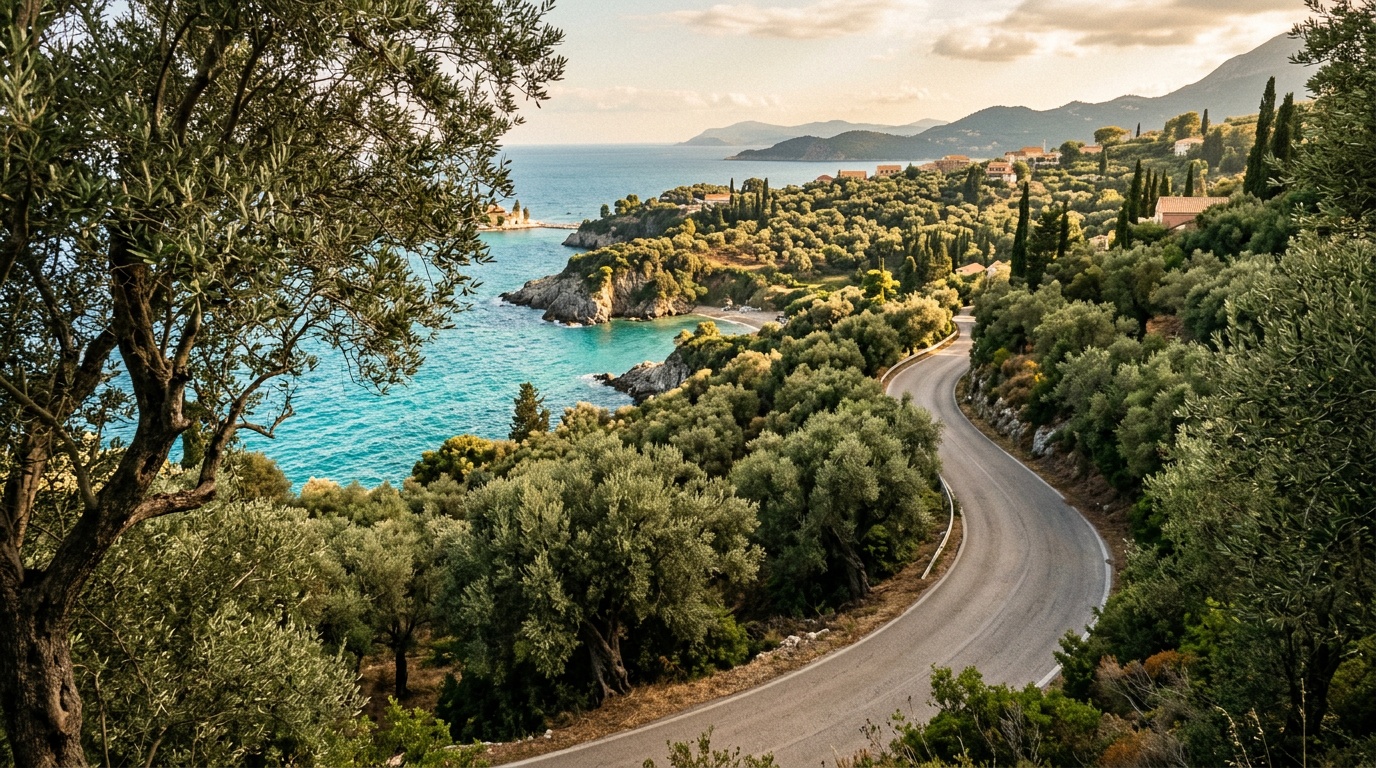
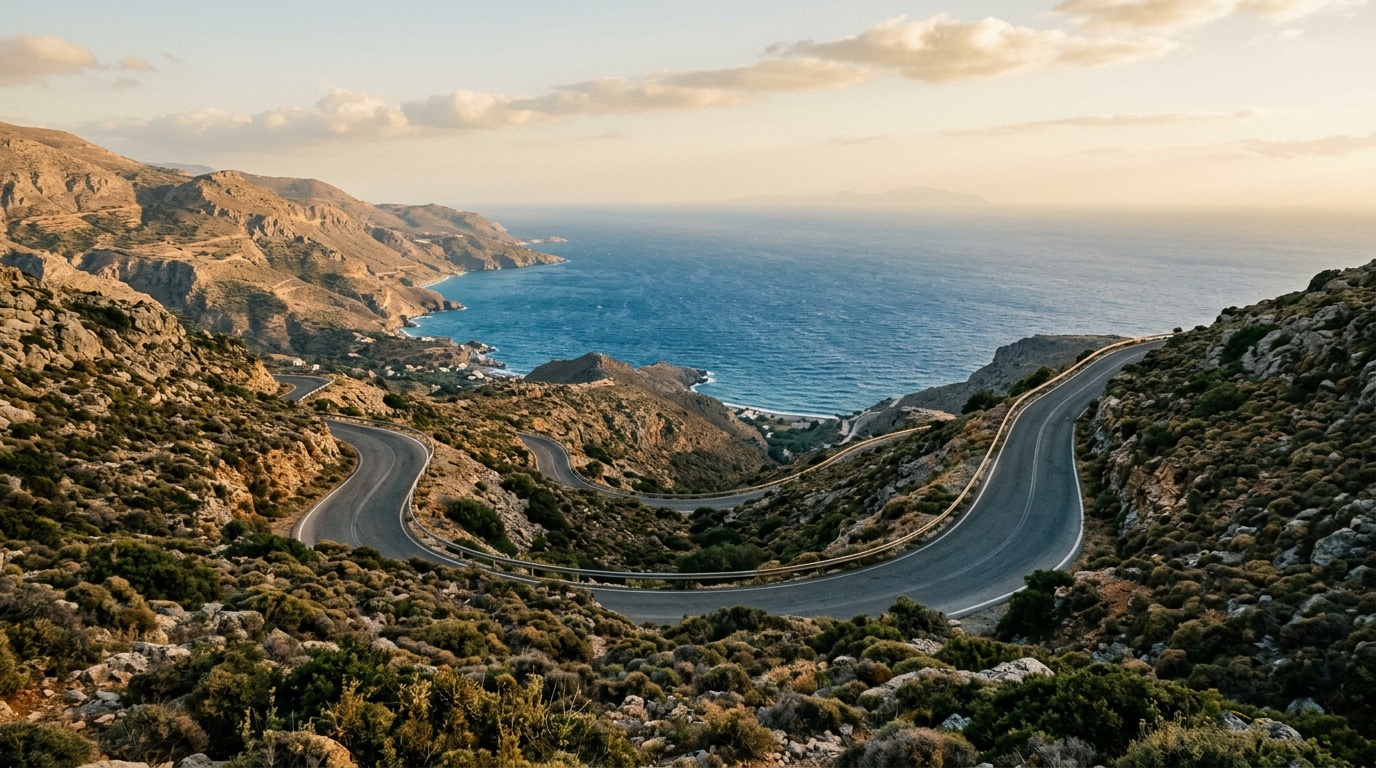
South of the highway is where it gets interesting. The mountain roads connecting the north coast to the south coast are narrow, winding, and steep. The road over the White Mountains to Sfakia is spectacular and slightly terrifying. The route south from Heraklion through Zaros to the Messara Plain is more manageable. In all cases, these roads are best driven in daylight and with a car that has some ground clearance — the occasional pothole and rock-strewn surface favor something bigger than a Fiat 500.
Local driving habits on Crete are distinctive. Slower vehicles pull onto the shoulder to let you pass, which is helpful. Locals sometimes overtake on blind curves, which is less helpful. Motorcycles and ATVs from the resort areas share the road and do not always signal. The general vibe is confident but not hostile — flash your hazards as a thank-you when someone lets you pass, and you will fit right in.
Two things to watch: mountain roads can have loose gravel on curves, especially after rain, and goats have right of way everywhere on the island. We mean this literally — herds cross the road at their own pace, and the shepherd is usually somewhere on the hillside, unconcerned.
Parking
Heraklion’s old town and harbor area have almost no practical parking. There is one garage near the Venetian harbor that charges 6-10 EUR/day, and it fills up in summer. Street parking is permit-only or nonexistent in the center. If you are spending a day exploring Heraklion, the smart move is to park at one of the open lots on the outskirts (near the stadium or the Heraklion KTEL bus station) and walk or bus in.
At Knossos, there is a free parking lot at the archaeological site entrance. In summer, arrive before 10 AM or you will be circling. The site is only 5 km from Heraklion, so you can also take a bus and save the parking hassle.
Along the resort strip east of Heraklion — Hersonissos, Stalis, Malia — hotels generally include parking. Public beach parking runs 3-5 EUR/day in July-August. The further south and west you go on the island, the easier parking becomes. Remote beaches on the south coast often have nothing more than a flat dirt area beside the road, and that is the parking lot.
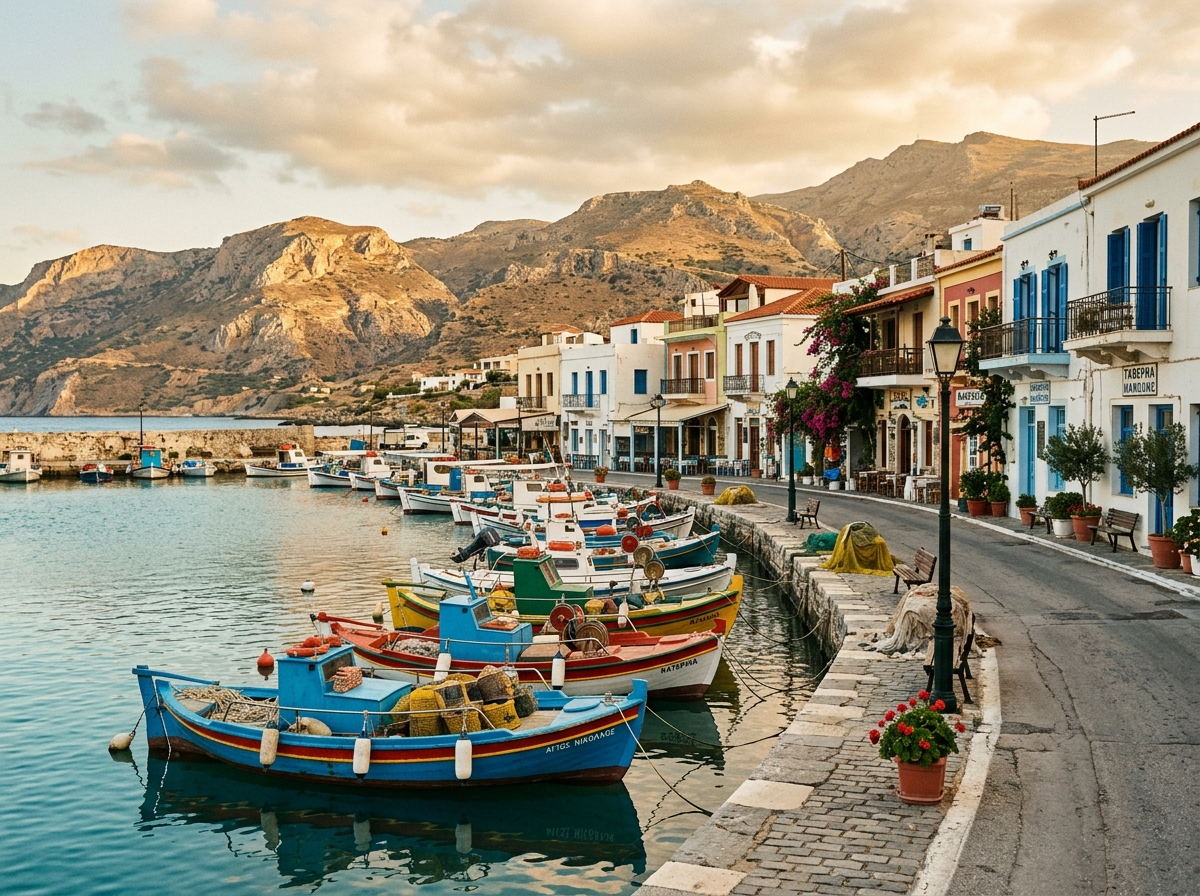
Rethymno and Chania, the other major towns on the north coast, have similar parking challenges to Heraklion but on a smaller scale. Both have paid lots near their old towns — plan for 4-8 EUR/day in summer. Chania’s Venetian harbor area is pedestrianized and completely car-free.