Car Rental in Istanbul
Let us be direct: Istanbul is not a city where you want to drive. The traffic is relentless, the streets in historic neighborhoods were designed for horse carts, and parking ranges from expensive to nonexistent. We have sat in bumper-to-bumper traffic on the E-5 highway for two hours to cover what the metro handles in twenty minutes. The city has 16 million people, most of whom appear to be on the road at any given time.
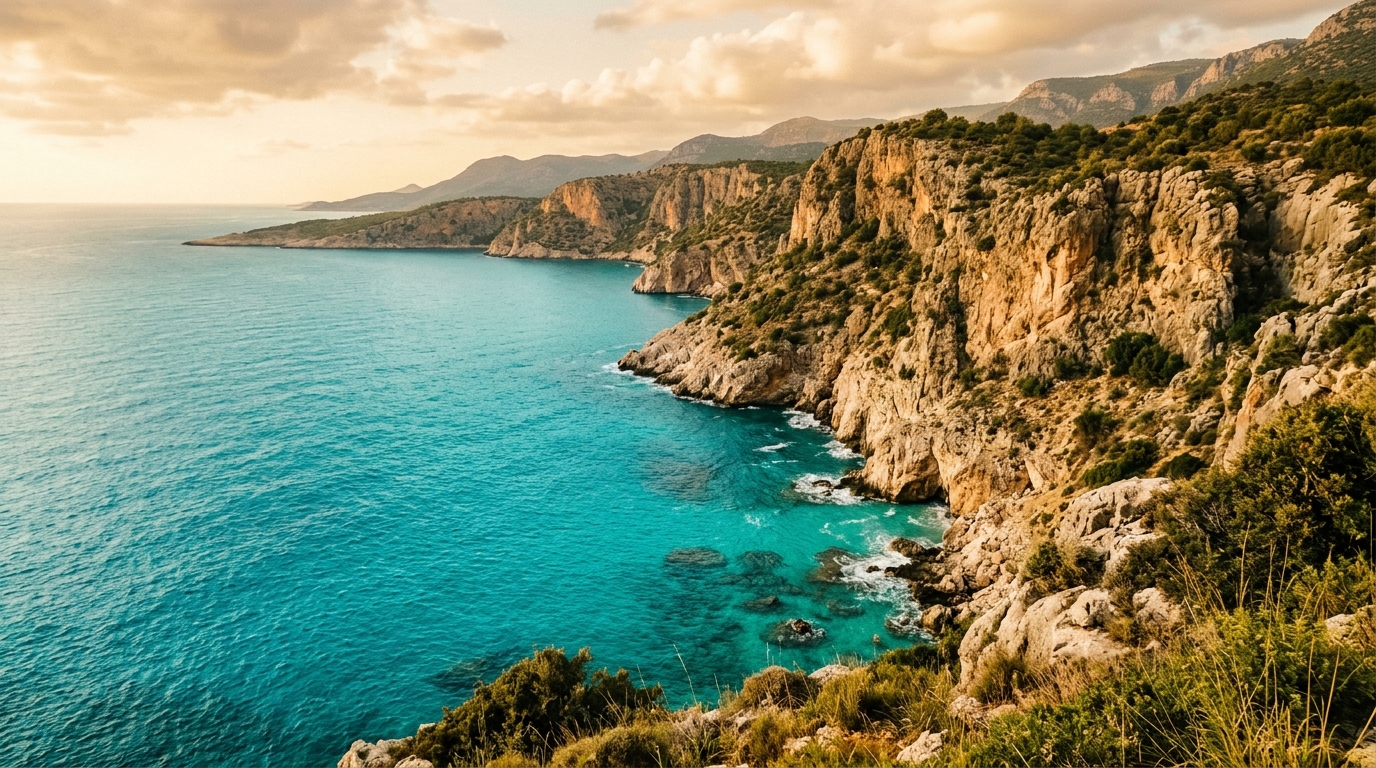
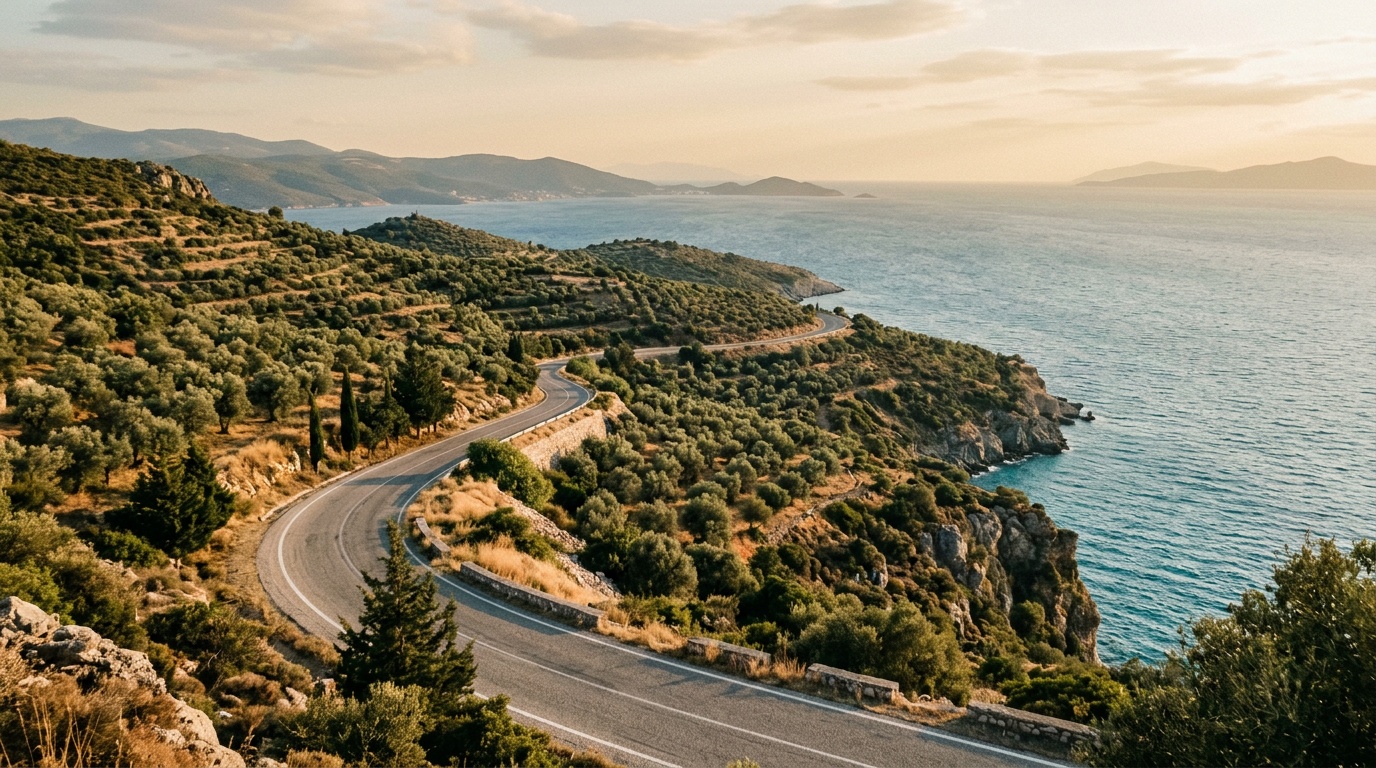
So why is Istanbul the highest-traffic city in our Turkey coverage? Because Istanbul Airport (IST) is where most international visitors land, and the city serves as the jumping-off point for some excellent drives. The Black Sea coast northeast of the city is gorgeous and empty. The road to Bolu and Abant Lake is a three-hour escape into mountains and forest. Even Edirne, with its Ottoman mosques and proximity to the Greek and Bulgarian borders, makes a solid day trip. The rental market in Istanbul is large, competitive, and cheap — you just need to know when to use it and when to stick with the metro.
Pricing in Istanbul runs from 12 EUR per day for an economy car in winter to around 35 EUR during peak summer. Sabiha Gokcen Airport on the Asian side tends to be slightly cheaper than IST, and it is a better starting point if you are heading east or south. The agency landscape is dominated by Turkish chains like Garenta and Enterprise Turkey alongside the usual international names. Local agencies near Taksim offer the lowest prices but come with older vehicles and occasionally creative interpretations of what “full insurance” means.
Driving tips
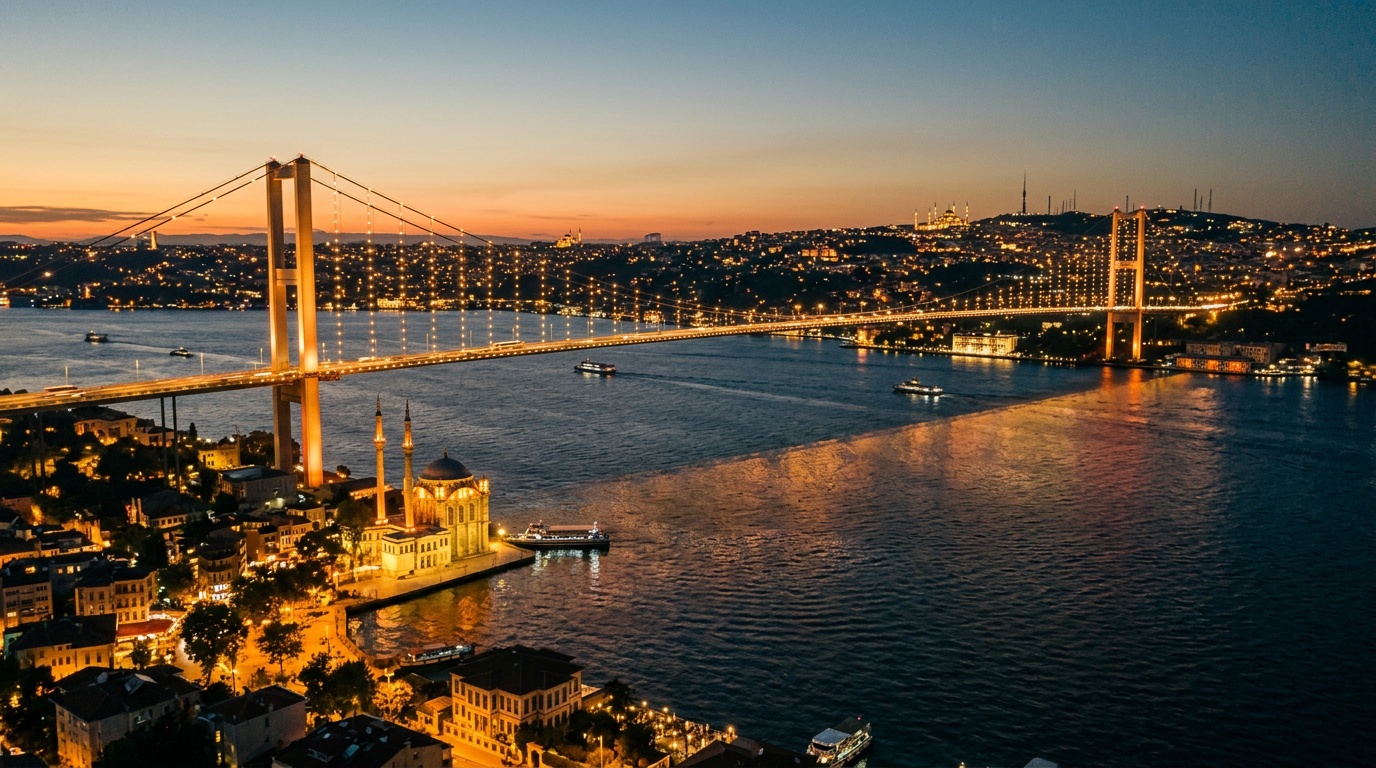
Istanbul traffic has a rhythm, and if you do not learn it quickly, it will eat you alive. The city operates on a loose consensus about lane usage — three lanes will somehow contain four columns of cars. Motorcycles filter through gaps that should not exist. Minibuses (dolmus) stop without warning. The key survival rules: stay out of the bus lanes (fines are camera-enforced), avoid the E-5 highway during commute hours, and use the Yavuz Sultan Selim Bridge (third bridge) instead of the older two if you need to cross the Bosphorus — the toll is about 3 EUR but it saves serious time.
Speed cameras are everywhere in Turkey, and Istanbul is no exception. They are mounted on motorway gantries and at major intersections. The HGS toll system tracks your entry and exit times on motorways, and if you cover the distance too quickly, you will receive an automated speeding fine. The limit on urban motorways is usually 90-100 km/h. In the city itself, 50 km/h is the standard, dropping to 30 in school zones. Turkish police checkpoints are uncommon inside Istanbul but regular on routes leaving the city.
The HGS toll sticker is non-negotiable. Turkish motorways have eliminated cash payment entirely. If your rental does not come with an active HGS unit, you cannot use any motorway in the country. Confirm this at the pickup desk. Most agencies include it by default, but a few budget operations charge it as an extra.
Parking
Parking in central Istanbul is a competitive sport. Sultanahmet and Beyoglu are effectively no-go zones for cars — the streets are narrow, one-way systems are confusing, and the few available spots are patrolled aggressively. The Ispark network (city-run garages) is your best option, with over 200 locations across the city. The Ispark mobile app shows real-time availability and lets you pay digitally. Central garages run 5-10 EUR per day.
The Asian side — Kadikoy, Uskudar, and Moda — is significantly more car-friendly. Street parking is actually possible, metered zones cost 1-2 EUR per hour, and the general stress level is lower. If you are basing yourself in Istanbul with a car, the Asian side is the pragmatic choice. You can always take the ferry across the Bosphorus for sightseeing.
At the airports, parking is straightforward. IST has a large multi-story garage (10-15 EUR per day for long-term). SAW has similar facilities at slightly lower rates. Both are well-connected to the terminals and safe for overnight parking.
Border crossing
Driving out of Turkey from Istanbul is possible but requires planning. The two practical border crossings are both to the west, through Edirne: Ipsala leads to Alexandroupoli in Greece (about 4 hours from Istanbul), and Kapikule leads to Svilengrad in Bulgaria (about 3 hours).
The complication is that many Turkish rental agencies do not allow cross-border travel at all. International chains like Europcar and Budget are more likely to permit it, but expect a fee of 50-100 EUR and advance notification. Local agencies almost universally refuse. If a cross-border drive is part of your plan, sort this out before you book — not at the pickup desk. We have seen travelers arrive at the border with a rental car and a contract that says nothing about leaving the country. The border guards check, and they will turn you around.
The Ipsala crossing to Greece is typically faster than Kapikule (Bulgaria), which handles heavy truck traffic. Summer weekends can mean 1-2 hour waits at Kapikule. Carry your passport, the rental contract, and the green card insurance document — border guards will check all three.